

 搜索
搜索
2026年水木金卷高考模拟试卷精编英语
注:目前有些书本章节名称可能整理的还不是很完善,但都是按照顺序排列的,请同学们按照顺序仔细查找。练习册 2026年水木金卷高考模拟试卷精编英语 答案主要是用来给同学们做完题方便对答案用的,请勿直接抄袭。
第126页
- 第1页
- 第2页
- 第3页
- 第4页
- 第5页
- 第6页
- 第7页
- 第8页
- 第9页
- 第10页
- 第11页
- 第12页
- 第13页
- 第14页
- 第15页
- 第16页
- 第17页
- 第18页
- 第19页
- 第20页
- 第21页
- 第22页
- 第23页
- 第24页
- 第25页
- 第26页
- 第27页
- 第28页
- 第29页
- 第30页
- 第31页
- 第32页
- 第33页
- 第34页
- 第35页
- 第36页
- 第37页
- 第38页
- 第39页
- 第40页
- 第41页
- 第42页
- 第43页
- 第44页
- 第45页
- 第46页
- 第47页
- 第48页
- 第49页
- 第50页
- 第51页
- 第52页
- 第53页
- 第54页
- 第55页
- 第56页
- 第57页
- 第58页
- 第59页
- 第60页
- 第61页
- 第62页
- 第63页
- 第64页
- 第65页
- 第66页
- 第67页
- 第68页
- 第69页
- 第70页
- 第71页
- 第72页
- 第73页
- 第74页
- 第75页
- 第76页
- 第77页
- 第78页
- 第79页
- 第80页
- 第81页
- 第82页
- 第83页
- 第84页
- 第85页
- 第86页
- 第87页
- 第88页
- 第89页
- 第90页
- 第91页
- 第92页
- 第93页
- 第94页
- 第95页
- 第96页
- 第97页
- 第98页
- 第99页
- 第100页
- 第101页
- 第102页
- 第103页
- 第104页
- 第105页
- 第106页
- 第107页
- 第108页
- 第109页
- 第110页
- 第111页
- 第112页
- 第113页
- 第114页
- 第115页
- 第116页
- 第117页
- 第118页
- 第119页
- 第120页
- 第121页
- 第122页
- 第123页
- 第124页
- 第125页
- 第126页
- 第127页
- 第128页
- 第129页
- 第130页
- 第131页
- 第132页
- 第133页
- 第134页
- 第135页
- 第136页
- 第137页
- 第138页
- 第139页
- 第140页
- 第141页
- 第142页
- 第143页
- 第144页
- 第145页
- 第146页
- 第147页
- 第148页
- 第149页
- 第150页
- 第151页
- 第152页
- 第153页
- 第154页
- 第155页
- 第156页
- 第157页
- 第158页
- 第159页
- 第160页
- 第161页
- 第162页
- 第163页
- 第164页
- 第165页
- 第166页
- 第167页
- 第168页
- 第169页
- 第170页
- 第171页
- 第172页
- 第173页
- 第174页
- 第175页
- 第176页
- 第177页
- 第178页
- 第179页
- 第180页
- 第181页
- 第182页
- 第183页
- 第184页
- 第185页
- 第186页
- 第187页
- 第188页
- 第189页
- 第190页
- 第191页
- 第192页
- 第193页
- 第194页
- 第195页
- 第196页
- 第197页
- 第198页
- 第199页
- 第200页
- 第201页
- 第202页
- 第203页
- 第204页
- 第205页
- 第206页
- 第207页
- 第208页
- 第209页
- 第210页
- 第211页
- 第212页
- 第213页
- 第214页
- 第215页
- 第216页
- 第217页
- 第218页
- 第219页
- 第220页
- 第221页
- 第222页
- 第223页
- 第224页
- 第225页
- 第226页
- 第227页
- 第228页
- 第229页
- 第230页
- 第231页
- 第232页
- 第233页
- 第234页
- 第235页
- 第236页
- 第237页
- 第238页
- 第239页
- 第240页
- 第241页
- 第242页
- 第243页
- 第244页
- 第245页
- 第246页
- 第247页
- 第248页
- 第249页
- 第250页
- 第251页
- 第252页
- 第253页
- 第254页
- 第255页
- 第256页
- 第257页
- 第258页
- 第259页
- 第260页
- 第261页
- 第262页
- 第263页
- 第264页
- 第265页
- 第266页
- 第267页
- 第268页
- 第269页
- 第270页
- 第271页
- 第272页
- 第273页
- 第274页
- 第275页
- 第276页
- 第277页
- 第278页
- 第279页
- 第280页
- 第281页
- 第282页
- 第283页
- 第284页
- 第285页
- 第286页
- 第287页
- 第288页
- 第289页
- 第290页
- 第291页
- 第292页
- 第293页
- 第294页
- 第295页
- 第296页
- 第297页
- 第298页
- 第299页
- 第300页
- 第301页
- 第302页
- 第303页
- 第304页
- 第305页
- 第306页
- 第307页
- 第308页
- 第309页
- 第310页
- 第311页
- 第312页
- 第313页
- 第314页
- 第315页
- 第316页
- 第317页
- 第318页
- 第319页
- 第320页
- 第321页
- 第322页
- 第323页
- 第324页
- 第325页
- 第326页
- 第327页
- 第328页
- 第329页
- 第330页
- 第331页
- 第332页
- 第333页
- 第334页
- 第335页
- 第336页
- 第337页
- 第338页
- 第339页
- 第340页
- 第341页
- 第342页
- 第343页
- 第344页
- 第345页
- 第346页
- 第347页
- 第348页
- 第349页
- 第350页
- 第351页
- 第352页
- 第353页
- 第354页
- 第355页
- 第356页
- 第357页
- 第358页
- 第359页
- 第360页
- 第361页
- 第362页
- 第363页
- 第364页
- 第365页
- 第366页
- 第367页
- 第368页
- 第369页
- 第370页
- 第371页
- 第372页
- 第373页
- 第374页
- 第375页
- 第376页
- 第377页
- 第378页
- 第379页
- 第380页
- 第381页
- 第382页
- 第383页
- 第384页
- 第385页
- 第386页
- 第387页
- 第388页
- 第389页
- 第390页
- 第391页
- 第392页
- 第393页
- 第394页
- 第395页
- 第396页
- 第397页
- 第398页
- 第399页
- 第400页
- 第401页
- 第402页
- 第403页
- 第404页
- 第405页
- 第406页
- 第407页
- 第408页
- 第409页
- 第410页
- 第411页
- 第412页
- 第413页
- 第414页
- 第415页
- 第416页
- 第417页
- 第418页
- 第419页
- 第420页
- 第421页
- 第422页
- 第423页
B
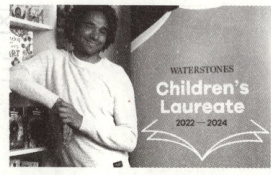
Poetry can move souls and thrum(敲打)hearts:why wouldn't we teachour children about it?
According to a new survey by theCentre for Literacy in Primary Education,schools are facing significant obstacles in teaching poetry in theclassroom. As someone who has worked with many students and
spoken at numerous teacher conferences, I can confirm that fittingpoetry into the school day can be a challenge.
It's unfortunate that poetry is often forgotten until we need it, such as at weddings and funerals. However, we all know the power of poetry to speak to something deep within us. My memories of poetry in the classroom are of analyzing Sylvia Plath's works, but analyzing alone can disconnect us from our enjoyment of reading a good poem or a poet that speaks to us, which misses the point.I used to go into schools to help get young people excited about poetry, and I learned that the best way to do this was by sharing the joy I feel through writing it. Engaging in free-write exercises reveals a deeper appreciation for poets like Jack Kerouac and William Burroughs. By showing children that their thoughts and feelings are worthy of poems, you give them a seat at the table.
Publishers are producing more poetry for a range of ages, making this an exciting time to renew our focus on poetry in the classroom. Despite the challenges, there is great work being done by some brilliant teachers, but more resources and support are needed.
As Waterstones Children's Laureate(桂冠)(2022—2024), I have made it a large part of my tenure(任期) to promote poetry. My Poetry Prompts videos go live on the BookTrust website every Monday morning, offering students a fun way to start a poem. By the time my tenure is over, there will be at least 80 of these free poetry resources for teachers to use in the classroom to get children writing and appreciating poetry. There are also other resources available, such as activities, teacher's kits, and recorded poems that anyone can find online.
This is an exciting time for poetry, and I hope that with better resources and awareness of how it can be taught, poetry can gain its rightful place as a staple in all our classrooms. It is a way to show children how their words, their worlds, their thoughts, and their opinions have the power to move souls and thrum hearts.
41. What can we learn about poetry from the passage?
A. Poetry is often forgotten on various occasions, even at weddings and funerals.
B. Poetry empowers students by allowing them to express themselves more joyfully.
C. Only analysis can add to the pleasure of appreciating good poetic works.
D. Poetry education in schools fails to grasp its significance.
42. Based on Paragraph 3, which of the following methods of teaching poetry is not recommended by the author?
A. Engage students to do free-write exercises.
B. Share the fun of writing poems with students.
C. Encourage students to imitate great poets.
D. Motivate students to express themselves through poems.
43. According to the passage, the author has done all the following to promote poetry EXCEPT .
A. getting student and teachers aware of the proper way to learn poems
B. working with publishers to produce more poetry for students of different ages
C. posting videos that offer students a fun way to start writing poems on their own
D. encouraging people to fully take advantage of the resources available online
44. What can be inferred from the last paragraph?
A. The great challenges in poetry education will soon be managed.
B. Poetry can be used as a tool to discipline children in the classroom.
C. The author values the impact of poetry on developing people's emotions.
D. Students are already fully aware of the power of their words.
答案:
41.D 推理判断题。题干意为:关于诗歌,我们可以从文章中了解到什么?根据第二段中“My memories of poetry in the classroom are of analyzing Sylvia Plath’s works, but analyzing alone can disconnect us from our enjoyment of reading a good poem or a poet that speaks to us, which misses the point.”可知,学校的诗歌教育只注重分析,忽略了对诗歌本身的欣赏,没有抓住诗歌教育的意义。由此可知,学校的诗歌教育没有抓住其重要性。故选D。42.C 细节理解题。题干意为:根据第三段,下列哪一种诗歌教学方法没有被作者推荐?根据第三段中“the best way to do this was by sharing the joy I feel through writing it. Engaging in free-write exercises reveals a deeper appreciation... showing children that their thoughts and feelings are worthy of poems”可知,关于诗歌教学方法,作者提及了和学生们分享诗歌写作的快乐、让学生们进行自由写作练习以及鼓励学生们通过诗歌表达自己的想法和情感。文中未提及模仿优秀诗人。故选C。43.B 细节理解题。题干意为:根据这篇文章,作者为推广诗歌做了下列所有的事情,除了________。根据第五段中“My Poetry Prompts videos go live on the BookTrust website every Monday morning... anyone can find online.”可知,文章未提到作者与出版商合作为不同年龄段的学生出版诗歌。故选B。44.C 推理判断题。题干意为:从最后一段可以推断出什么?根据最后一段中“It is a way to show children how their words, their worlds, their thoughts, and their opinions have the power to move souls and thrum hearts.”可知,诗歌是一种向学生展示的方式,让他们明白他们的语言、他们的世界、他们的想法和观点,拥有触动灵魂、震撼心灵的力量。由此可推知,作者重视诗歌对情感发展的影响。故选C。45.B 名词指代题。题干意为:根据这篇文章,第二段中画线单词“investment”指的是什么?根据第三段中“The cost of the chain is proportional(成比例的) to its length: longer chains are more costly, as they keep more ants occupied.”可知,investment指的是“参与工作的蚂蚁数量”。故选B。46.C 细节理解题。题干意为:关于悬挂链,我们知道什么?根据第三段中“Building a chain comes at a cost to the colony(蚁群). Ants in the chain can’t participate in important colony tasks such as defending the nest and searching for food.”可知,建造悬挂链需要牺牲蚁群的其他工作。故选C。47.D 段落大意题。题干意为:第四段主要传达了什么信息?根据第四段中“Whether an area contains a profitable resource, however, is unknown to the ants. This means the colony must invest capital (a number of ants) into forming a chain which may or may not pay off.”可知,尽管不确定是否有回报,蚂蚁仍然会建造悬挂链。故选D。48.B 推理判断题。题干意为:蚂蚁与人类在什么方面相似?根据最后一段“Similar to when we set ourselves a time limit for finding parking, ants set a distance limit by budgeting before giving up.”可知,人类会为寻找停车位设定时间限制,类似地,蚂蚁也会在放弃之前通过预算设定一个距离限制。由此可推知,蚂蚁和人类在决策时都会预算资源。故选B。49.C 推理判断题。题干意为:从文章中可以得出什么结论?根据第五段中“We found ants decide how long to stay in a chain by visually assessing their distance from the ground below.”可知,蚂蚁通过视觉评估它们与地面的距离来决定在链条中停留的时间。由此可推知,蚂蚁基于视觉评估进行决策。故选C。50.C 标题归纳题。题干意为:这篇文章的最佳标题可能是什么?文章主要讨论了织工蚁在建造悬挂链时如何进行资源预算。所以,C项“织工蚁的预算行为”适合作最佳标题。故选C。51.A 细节理解题。题干意为:根据第一段,Gary Becker可能同意什么观点?根据第一段中“Gary Becker of the University of Chicago reimagined education as an investment in ‘human capital’ that would produce returns in the market similar to other assets.”可知,Gary Becker认为教育是一种投资,能够在市场上产生经济回报。故选A。52.A 推理判断题。题干意为:我们为什么说一个家庭的教育支出会提高其他人的门槛?根据第二段中“Families are drawn, often... the same position as before.”可知,家庭常常在无意识中被卷入教育“军备竞赛”:他们在课后辅导或课外活动上花费金钱和时间,期望提升孩子在升学竞争中的优势地位。然而,他们很快发现,其他人也在做同样的事情,结果他们的处境与之前相比并没有改变。由此可推知,一个家庭的教育支出会提高标准,使得其他家庭纷纷效仿,从而提高其他人的门槛。故选A。53.C 推理判断题。题干意为:作者为什么提到东亚和欧洲的部分地区?根据第三、四段内容可知,东亚的教育“军备竞赛”竞争激烈,相较而言,欧洲的部分地区的教育“军备竞赛”强度较低。由此可推知,作者提到东亚和欧洲的部分地区是为了对比不同地区的教育“军备竞赛”情况。故选C。
C
Making decisions under uncertainty is a problem we all face. Imagine you are looking for a parking spot at a crowded event. You find one far from your destination. Do you decide to take it, or invest more time into hunting for a better spot which may or may not exist?
You might resolve this decision by "budgeting": limiting the resources (time) you will spend looking for a better option. This strategy allows us to cut our losses when things don't turn out as we hoped. In our research, we show how weaver ants(织工蚁)—much like humans—budget their investment into a task with an uncertain payoff.
Weaver ants link their bodies together to form bridge-like structures called "hanging chains", which they use for crossing gaps they encounter. Building a chain comes at a cost to the colony(蚁群). Ants in the chain can't participate in important colony tasks such as defending the nest and searching for food. The cost of the chain is proportional(成比例) to its length: longer chains are more costly, as they keep more ants occupied.
Chains provide a major benefit too: they allow ants to explore areas that would otherwise be inaccessible, which may offer food sources to the colony. Whether an area contains a profitable resource, however, is unknown to the ants. This means the colony must invest capital (a number of ants) into forming a chain which may or may not pay off.
We expected ants would stop forming a chain when the gap to be bridged became too tall, as the cost would become too great. We initially challenged ants to bridge vertical gaps of 25 mm, 35 mm and 50 mm in height. Ants could comfortably form chains within this range, which allowed us to precisely determine the rules they use to build chains. We found ants decide how long to stay in a chain by visually assessing their distance from the ground below. The closer to the ground, the longer an ant remains in the chain.
Can this predict a distance beyond which ants stop forming chains? We answered this question using a mathematical model, which predicted ants should stop forming chains when the gap is taller than 89 mm. We challenged ants to form chains over gaps of 110 mm, well beyond the distance predicted by our model. As expected, the ants never formed chains over these gaps.
Similar to when we set ourselves a time limit for finding parking, ants set a distance limit by budgeting before giving up.
45. According to the passage, what does the underlined word "investment" in Paragraph 2 refer to?
A. Time spent in building chains.
B. Number of ants occupied in work.
C. Courage to explore the unknown bravely.
D. Resources for gathering food.
46. What do we know about hanging chains?
A. Ants prefer short chains for efficiency.
B. Ants can't build chains over large gaps.
C. The building of chains requires a sacrifice of its colony work.
D. Ants make use of chains only in the cases of emergency.
47. What message does Paragraph 4 mainly convey?
A. The benefits of chains for weaver ants outweigh their costs.
B. Chains are the only way for weaver ants to access food sources.
C. Chains allow ants to access areas where food is guaranteed to be found.
D. Ants will still invest in forming chains, though uncertainly profitable.
48. In what way are ants similar to humans?
A. They are very good at problem-solving.
B. They budget resources when making decisions.
C. They seek similar food sources.
D. They often work alone in tasks.
49. What can be concluded from the passage?
A. Ants act randomly when making decisions.
B. Ants follow strict rules without flexibility.
C. Ants make decisions based on visual assessment.
D. Ants are less efficient than humans.
50. What could be the best title for the passage?
A. Ant Behavior in Food Search
B. How to Make Decisions
C. Budgeting in Weaver Ants
D. The Structure of Ant Chains
Making decisions under uncertainty is a problem we all face. Imagine you are looking for a parking spot at a crowded event. You find one far from your destination. Do you decide to take it, or invest more time into hunting for a better spot which may or may not exist?
You might resolve this decision by "budgeting": limiting the resources (time) you will spend looking for a better option. This strategy allows us to cut our losses when things don't turn out as we hoped. In our research, we show how weaver ants(织工蚁)—much like humans—budget their investment into a task with an uncertain payoff.
Weaver ants link their bodies together to form bridge-like structures called "hanging chains", which they use for crossing gaps they encounter. Building a chain comes at a cost to the colony(蚁群). Ants in the chain can't participate in important colony tasks such as defending the nest and searching for food. The cost of the chain is proportional(成比例) to its length: longer chains are more costly, as they keep more ants occupied.
Chains provide a major benefit too: they allow ants to explore areas that would otherwise be inaccessible, which may offer food sources to the colony. Whether an area contains a profitable resource, however, is unknown to the ants. This means the colony must invest capital (a number of ants) into forming a chain which may or may not pay off.
We expected ants would stop forming a chain when the gap to be bridged became too tall, as the cost would become too great. We initially challenged ants to bridge vertical gaps of 25 mm, 35 mm and 50 mm in height. Ants could comfortably form chains within this range, which allowed us to precisely determine the rules they use to build chains. We found ants decide how long to stay in a chain by visually assessing their distance from the ground below. The closer to the ground, the longer an ant remains in the chain.
Can this predict a distance beyond which ants stop forming chains? We answered this question using a mathematical model, which predicted ants should stop forming chains when the gap is taller than 89 mm. We challenged ants to form chains over gaps of 110 mm, well beyond the distance predicted by our model. As expected, the ants never formed chains over these gaps.
Similar to when we set ourselves a time limit for finding parking, ants set a distance limit by budgeting before giving up.
45. According to the passage, what does the underlined word "investment" in Paragraph 2 refer to?
A. Time spent in building chains.
B. Number of ants occupied in work.
C. Courage to explore the unknown bravely.
D. Resources for gathering food.
46. What do we know about hanging chains?
A. Ants prefer short chains for efficiency.
B. Ants can't build chains over large gaps.
C. The building of chains requires a sacrifice of its colony work.
D. Ants make use of chains only in the cases of emergency.
47. What message does Paragraph 4 mainly convey?
A. The benefits of chains for weaver ants outweigh their costs.
B. Chains are the only way for weaver ants to access food sources.
C. Chains allow ants to access areas where food is guaranteed to be found.
D. Ants will still invest in forming chains, though uncertainly profitable.
48. In what way are ants similar to humans?
A. They are very good at problem-solving.
B. They budget resources when making decisions.
C. They seek similar food sources.
D. They often work alone in tasks.
49. What can be concluded from the passage?
A. Ants act randomly when making decisions.
B. Ants follow strict rules without flexibility.
C. Ants make decisions based on visual assessment.
D. Ants are less efficient than humans.
50. What could be the best title for the passage?
A. Ant Behavior in Food Search
B. How to Make Decisions
C. Budgeting in Weaver Ants
D. The Structure of Ant Chains
答案:
D
Economists tend to be big fans of education. Alfred Marshall, writing in 1873, hoped that education would help erase the "distinction between working men and gentlemen". Gary Becker of the University of Chicago reimagined education as an investment in "human capital" that would produce returns in the market similar to other assets.
But economics can also be severely critical of schooling. In The Social Limits to Growth, a book published in 1976, Fred Hirsch pointed out that education is often "positional" in nature. What matters is not only how much you have, but whether you have more than the next person. An unhappy consequence is that one family's expenses of schooling raise the bar for everyone else. Families are drawn, often unconsciously, into educational arms races. They spend money and time on after-school tutoring or extra-curricular activities in the expectation that it will improve their child's position in the queue for advancement. But they quickly discover that everyone else is doing the same, leaving them in the same position as before. "If everyone stands on tiptoe, no one sees better," Hirsch noted.
These arms races are often particularly intense in East Asia. The government of South Korea has tried to ease the races. For example, it imposed a 10 pm curfew(宵禁) on cramming schools(补习学校). Inspectors would look for schools with their lights on. Will these measures work? It is almost impossible to stop families hiring private tutors to teach their children in their own homes.
The arms race is notably less intense in parts of Europe. In Norway and Sweden parents show little demand for tutoring—the wealthy even less than others, according to Steve Enrich of the University of Potsdam. And overeducation is less common in Germany and other countries that sort children early into academic or vocational(职业的) schools, with little mobility between the two. For better or worse, that removes large numbers of students from the race for more academic honors.
Germany's practice of placing children on different tracks at an early age also invites an interesting thought experiment. What if college entrance tests were held earlier in a pupil's career? If these exams truly test the knowledge required for university, they must be held just before university starts. But if such tests mostly serve as filters, selecting better students from worse, they need not be held so late. An earlier test would save families a year or two of costly cramming, shortening "the obstacle journey", as Hirsch put it, without much changing the results.
51. What viewpoint is Gary Becker likely to agree with according to Paragraph 1?
A. Education generates financial returns in the market.
B. Education leads to the widening of class difference.
C. Education plays a vital role in a person's growth.
D. Education promotes progress toward social equality.
52. Why do we say that one family's expenses of schooling raise the bar for everyone else?
A. Because it improves standards, making others follow suit.
B. Because it sets up barriers, making it harder for others to reach the same level.
C. Because it provides a model, forcing others to spend even more.
D. Because it limits the range of educational resources, forcing others to give up.
53. Why does the author mention East Asia and parts of Europe?
A. To assess educational competitiveness across regions.
B. To highlight the impact of private tutoring on education.
C. To contrast educational arms races in different areas.
D. To analyze strategies for lessening academic pressure.
54. What is the author's purpose in writing the article?
A. To introduce economic concepts to offer insights into educational problems.
B. To discuss the economic impact on education among different countries.
C. To explore the nature and consequences of education competition.
D. To compare educational practices between East Asia and Europe.
55. What can be inferred about the author's attitude towards the overeducation issue?
A. The author believes that overeducation does not greatly change the results.
B. The author believes that examinations are the cause of overeducation.
C. The author advocates that we should learn from the European countries.
D. The author suggests removing large numbers of students from the race.
Economists tend to be big fans of education. Alfred Marshall, writing in 1873, hoped that education would help erase the "distinction between working men and gentlemen". Gary Becker of the University of Chicago reimagined education as an investment in "human capital" that would produce returns in the market similar to other assets.
But economics can also be severely critical of schooling. In The Social Limits to Growth, a book published in 1976, Fred Hirsch pointed out that education is often "positional" in nature. What matters is not only how much you have, but whether you have more than the next person. An unhappy consequence is that one family's expenses of schooling raise the bar for everyone else. Families are drawn, often unconsciously, into educational arms races. They spend money and time on after-school tutoring or extra-curricular activities in the expectation that it will improve their child's position in the queue for advancement. But they quickly discover that everyone else is doing the same, leaving them in the same position as before. "If everyone stands on tiptoe, no one sees better," Hirsch noted.
These arms races are often particularly intense in East Asia. The government of South Korea has tried to ease the races. For example, it imposed a 10 pm curfew(宵禁) on cramming schools(补习学校). Inspectors would look for schools with their lights on. Will these measures work? It is almost impossible to stop families hiring private tutors to teach their children in their own homes.
The arms race is notably less intense in parts of Europe. In Norway and Sweden parents show little demand for tutoring—the wealthy even less than others, according to Steve Enrich of the University of Potsdam. And overeducation is less common in Germany and other countries that sort children early into academic or vocational(职业的) schools, with little mobility between the two. For better or worse, that removes large numbers of students from the race for more academic honors.
Germany's practice of placing children on different tracks at an early age also invites an interesting thought experiment. What if college entrance tests were held earlier in a pupil's career? If these exams truly test the knowledge required for university, they must be held just before university starts. But if such tests mostly serve as filters, selecting better students from worse, they need not be held so late. An earlier test would save families a year or two of costly cramming, shortening "the obstacle journey", as Hirsch put it, without much changing the results.
51. What viewpoint is Gary Becker likely to agree with according to Paragraph 1?
A. Education generates financial returns in the market.
B. Education leads to the widening of class difference.
C. Education plays a vital role in a person's growth.
D. Education promotes progress toward social equality.
52. Why do we say that one family's expenses of schooling raise the bar for everyone else?
A. Because it improves standards, making others follow suit.
B. Because it sets up barriers, making it harder for others to reach the same level.
C. Because it provides a model, forcing others to spend even more.
D. Because it limits the range of educational resources, forcing others to give up.
53. Why does the author mention East Asia and parts of Europe?
A. To assess educational competitiveness across regions.
B. To highlight the impact of private tutoring on education.
C. To contrast educational arms races in different areas.
D. To analyze strategies for lessening academic pressure.
54. What is the author's purpose in writing the article?
A. To introduce economic concepts to offer insights into educational problems.
B. To discuss the economic impact on education among different countries.
C. To explore the nature and consequences of education competition.
D. To compare educational practices between East Asia and Europe.
55. What can be inferred about the author's attitude towards the overeducation issue?
A. The author believes that overeducation does not greatly change the results.
B. The author believes that examinations are the cause of overeducation.
C. The author advocates that we should learn from the European countries.
D. The author suggests removing large numbers of students from the race.
答案:
54.C 写作意图题。题干意为:作者写这篇文章的目的是什么?根据全文内容可知,文章主要探讨了教育竞争的本质及其后果。故选C。55.A 推理判断题。题干意为:关于作者对过度教育问题的态度,可以推断出什么?根据最后一段中“An earlier test would save families a year or two of costly cramming, shortening ‘the obstacle journey’, as Hirsch put it, without much changing the results.”可知,更早的测试可以为家庭节省一两年的昂贵补习费用,缩短“障碍之旅”,但这不会对结果产生太大影响。由此可推知,作者认为过度教育并不会显著改变结果。故选A。
查看更多完整答案,请扫码查看

