

 搜索
搜索
2026年江苏13大市中考名卷优选38套英语
注:目前有些书本章节名称可能整理的还不是很完善,但都是按照顺序排列的,请同学们按照顺序仔细查找。练习册 2026年江苏13大市中考名卷优选38套英语 答案主要是用来给同学们做完题方便对答案用的,请勿直接抄袭。
第92页
- 第1页
- 第2页
- 第3页
- 第4页
- 第5页
- 第6页
- 第7页
- 第8页
- 第9页
- 第10页
- 第11页
- 第12页
- 第13页
- 第14页
- 第15页
- 第16页
- 第17页
- 第18页
- 第19页
- 第20页
- 第21页
- 第22页
- 第23页
- 第24页
- 第25页
- 第26页
- 第27页
- 第28页
- 第29页
- 第30页
- 第31页
- 第32页
- 第33页
- 第34页
- 第35页
- 第36页
- 第37页
- 第38页
- 第39页
- 第40页
- 第41页
- 第42页
- 第43页
- 第44页
- 第45页
- 第46页
- 第47页
- 第48页
- 第49页
- 第50页
- 第51页
- 第52页
- 第53页
- 第54页
- 第55页
- 第56页
- 第57页
- 第58页
- 第59页
- 第60页
- 第61页
- 第62页
- 第63页
- 第64页
- 第65页
- 第66页
- 第67页
- 第68页
- 第69页
- 第70页
- 第71页
- 第72页
- 第73页
- 第74页
- 第75页
- 第76页
- 第77页
- 第78页
- 第79页
- 第80页
- 第81页
- 第82页
- 第83页
- 第84页
- 第85页
- 第86页
- 第87页
- 第88页
- 第89页
- 第90页
- 第91页
- 第92页
- 第93页
- 第94页
- 第95页
- 第96页
- 第97页
- 第98页
- 第99页
- 第100页
- 第101页
- 第102页
- 第103页
- 第104页
- 第105页
- 第106页
- 第107页
- 第108页
- 第109页
- 第110页
- 第111页
- 第112页
- 第113页
- 第114页
- 第115页
- 第116页
- 第117页
- 第118页
- 第119页
- 第120页
- 第121页
- 第122页
- 第123页
- 第124页
- 第125页
- 第126页
- 第127页
- 第128页
- 第129页
- 第130页
- 第131页
- 第132页
- 第133页
- 第134页
- 第135页
- 第136页
- 第137页
- 第138页
- 第139页
- 第140页
- 第141页
- 第142页
- 第143页
- 第144页
- 第145页
- 第146页
- 第147页
- 第148页
- 第149页
- 第150页
- 第151页
- 第152页
- 第153页
- 第154页
- 第155页
- 第156页
- 第157页
- 第158页
- 第159页
- 第160页
- 第161页
- 第162页
- 第163页
- 第164页
- 第165页
- 第166页
- 第167页
- 第168页
- 第169页
- 第170页
- 第171页
- 第172页
- 第173页
- 第174页
- 第175页
- 第176页
- 第177页
- 第178页
- 第179页
- 第180页
- 第181页
- 第182页
- 第183页
- 第184页
- 第185页
- 第186页
- 第187页
- 第188页
- 第189页
- 第190页
- 第191页
- 第192页
- 第193页
- 第194页
- 第195页
- 第196页
- 第197页
- 第198页
- 第199页
C
①Do you sometimes feel too afraid to try new things? If you want to grow and get better, you need to take risks and challenge yourself. But your brain often tells you to stay safe. It might say, “Don't trouble trying something new.” Even when these thoughts aren't reasonable, our anxiety(担心) can still win. Instead of thinking about the good things that could happen, we worry more about “What if something goes wrong?”
②Avoiding all risks might seem smart, but it can make you feel unhappy. The problem is that we often make decisions based on feelings, not facts. We think, “The more scared I feel, the riskier it is.” But feelings aren't always reasonable. If we knew how to think about risks clearly, we'd know which risks are worth taking. For example, trying a new hobby like painting might feel scary at first, but it could bring you joy and new skills.
③Whether you're afraid to change your job or too nervous to ask a friend for coffee, learning to take “good risks” can improve your life. Here are good ways to help.
④Balance feelings with facts. Many times, we think fear means something risky. But that's not true. For example, driving a car feels safe because we do it every day, but giving a speech in public might make your heart beat fast. Yet the fact shows that car accidents are much more common than getting hurt while speaking! So before you avoid doing something scary, take three deep breaths and ask yourself: “What's the real risk here?”
⑤Take steps to succeed. You can do many small things to lower risks. If you're nervous about a test, make a study plan and review each day—this helps you feel more prepared. It's okay to feel butterflies in your stomach when you try something new. Facing fear helps build your mental muscle, just like exercising builds physical muscle. So, taking smart risks helps you become mentally stronger. Each time you try something scary, you will learn to deal with uncertainty and anxiety. You'll also get new skills and grow from mistakes.
If you try out for a dance team and don't make it, you can ask for the reason and then practise more. With practice, you'll get better at facing risks, and your chances of success will rise.
33. Which of the following is TRUE according to the first two paragraphs?
A. Avoiding risks is a smart way to stay happy.
B. Taking risks requires us to trust our feelings.
C. Our brain often tells us to face challenges bravely.
D. Our feelings often influence us to make decisions.
34. What does the underlined phrase “build your mental muscle” mean in the last paragraph?
A. Develop strength in your mind.
B. Exercise your body to stay healthy.
C. Think mainly about cheerful things.
D. Avoid situations that make you afraid.
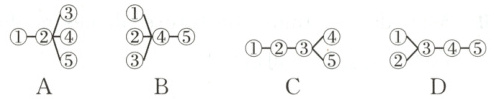
35. What is the structure of this passage? (① = Paragraph 1, ② = Paragraph 2...)
36. What is the main idea of the passage?
A. Taking smart risks can push us forward.
B. Trying many small things can reduce risks.
C. Learning clearly about real risks can help a lot.
D. Practising more can help deal with risks better.
①Do you sometimes feel too afraid to try new things? If you want to grow and get better, you need to take risks and challenge yourself. But your brain often tells you to stay safe. It might say, “Don't trouble trying something new.” Even when these thoughts aren't reasonable, our anxiety(担心) can still win. Instead of thinking about the good things that could happen, we worry more about “What if something goes wrong?”
②Avoiding all risks might seem smart, but it can make you feel unhappy. The problem is that we often make decisions based on feelings, not facts. We think, “The more scared I feel, the riskier it is.” But feelings aren't always reasonable. If we knew how to think about risks clearly, we'd know which risks are worth taking. For example, trying a new hobby like painting might feel scary at first, but it could bring you joy and new skills.
③Whether you're afraid to change your job or too nervous to ask a friend for coffee, learning to take “good risks” can improve your life. Here are good ways to help.
④Balance feelings with facts. Many times, we think fear means something risky. But that's not true. For example, driving a car feels safe because we do it every day, but giving a speech in public might make your heart beat fast. Yet the fact shows that car accidents are much more common than getting hurt while speaking! So before you avoid doing something scary, take three deep breaths and ask yourself: “What's the real risk here?”
⑤Take steps to succeed. You can do many small things to lower risks. If you're nervous about a test, make a study plan and review each day—this helps you feel more prepared. It's okay to feel butterflies in your stomach when you try something new. Facing fear helps build your mental muscle, just like exercising builds physical muscle. So, taking smart risks helps you become mentally stronger. Each time you try something scary, you will learn to deal with uncertainty and anxiety. You'll also get new skills and grow from mistakes.
If you try out for a dance team and don't make it, you can ask for the reason and then practise more. With practice, you'll get better at facing risks, and your chances of success will rise.
33. Which of the following is TRUE according to the first two paragraphs?
A. Avoiding risks is a smart way to stay happy.
B. Taking risks requires us to trust our feelings.
C. Our brain often tells us to face challenges bravely.
D. Our feelings often influence us to make decisions.
34. What does the underlined phrase “build your mental muscle” mean in the last paragraph?
A. Develop strength in your mind.
B. Exercise your body to stay healthy.
C. Think mainly about cheerful things.
D. Avoid situations that make you afraid.
35. What is the structure of this passage? (① = Paragraph 1, ② = Paragraph 2...)
36. What is the main idea of the passage?
A. Taking smart risks can push us forward.
B. Trying many small things can reduce risks.
C. Learning clearly about real risks can help a lot.
D. Practising more can help deal with risks better.
答案:
33.D 推理判断。根据第二段中“The problem is that we often make decisions based on feelings,not facts.”可知,我们的决策常常受情感影响。
34.A 词义猜测。根据画线词上下文“Facing fear helps build your mental muscle,just like exercising builds physical muscle. So,taking smart risks helps you become mentally stronger.”可知,面对恐惧有助于锻炼你的“精神肌肉”,就像锻炼身体肌肉一样,因此明智地冒险可以帮助你在精神上变得更强大。此处的画线部分指“增强心理力量”。
35.C 篇章结构。①段提出问题(恐惧阻碍尝试新事物);②段分析问题(情感驱动的风险规避);③段过渡(提出“good risks”概念);④⑤段分别给出具体方法(平衡情感与事实/分步骤行动)。因此文章结构为:①/②/③/④⑤。
36.A 主旨大意。根据第三段关键句“learning to take ‘good risks’ can improve your life”以及通读全文可知,本文主要探讨了如何通过理性评估风险、克服恐惧心理,并承担“明智的风险”来促进个人成长和生活改善。文章围绕“明智冒险”展开,A项“采取明智冒险助力我们前进”概括文章主旨。
34.A 词义猜测。根据画线词上下文“Facing fear helps build your mental muscle,just like exercising builds physical muscle. So,taking smart risks helps you become mentally stronger.”可知,面对恐惧有助于锻炼你的“精神肌肉”,就像锻炼身体肌肉一样,因此明智地冒险可以帮助你在精神上变得更强大。此处的画线部分指“增强心理力量”。
35.C 篇章结构。①段提出问题(恐惧阻碍尝试新事物);②段分析问题(情感驱动的风险规避);③段过渡(提出“good risks”概念);④⑤段分别给出具体方法(平衡情感与事实/分步骤行动)。因此文章结构为:①/②/③/④⑤。
36.A 主旨大意。根据第三段关键句“learning to take ‘good risks’ can improve your life”以及通读全文可知,本文主要探讨了如何通过理性评估风险、克服恐惧心理,并承担“明智的风险”来促进个人成长和生活改善。文章围绕“明智冒险”展开,A项“采取明智冒险助力我们前进”概括文章主旨。
查看更多完整答案,请扫码查看

