

 搜索
搜索
2026年江苏13大市中考名卷优选38套英语
注:目前有些书本章节名称可能整理的还不是很完善,但都是按照顺序排列的,请同学们按照顺序仔细查找。练习册 2026年江苏13大市中考名卷优选38套英语 答案主要是用来给同学们做完题方便对答案用的,请勿直接抄袭。
第186页
- 第1页
- 第2页
- 第3页
- 第4页
- 第5页
- 第6页
- 第7页
- 第8页
- 第9页
- 第10页
- 第11页
- 第12页
- 第13页
- 第14页
- 第15页
- 第16页
- 第17页
- 第18页
- 第19页
- 第20页
- 第21页
- 第22页
- 第23页
- 第24页
- 第25页
- 第26页
- 第27页
- 第28页
- 第29页
- 第30页
- 第31页
- 第32页
- 第33页
- 第34页
- 第35页
- 第36页
- 第37页
- 第38页
- 第39页
- 第40页
- 第41页
- 第42页
- 第43页
- 第44页
- 第45页
- 第46页
- 第47页
- 第48页
- 第49页
- 第50页
- 第51页
- 第52页
- 第53页
- 第54页
- 第55页
- 第56页
- 第57页
- 第58页
- 第59页
- 第60页
- 第61页
- 第62页
- 第63页
- 第64页
- 第65页
- 第66页
- 第67页
- 第68页
- 第69页
- 第70页
- 第71页
- 第72页
- 第73页
- 第74页
- 第75页
- 第76页
- 第77页
- 第78页
- 第79页
- 第80页
- 第81页
- 第82页
- 第83页
- 第84页
- 第85页
- 第86页
- 第87页
- 第88页
- 第89页
- 第90页
- 第91页
- 第92页
- 第93页
- 第94页
- 第95页
- 第96页
- 第97页
- 第98页
- 第99页
- 第100页
- 第101页
- 第102页
- 第103页
- 第104页
- 第105页
- 第106页
- 第107页
- 第108页
- 第109页
- 第110页
- 第111页
- 第112页
- 第113页
- 第114页
- 第115页
- 第116页
- 第117页
- 第118页
- 第119页
- 第120页
- 第121页
- 第122页
- 第123页
- 第124页
- 第125页
- 第126页
- 第127页
- 第128页
- 第129页
- 第130页
- 第131页
- 第132页
- 第133页
- 第134页
- 第135页
- 第136页
- 第137页
- 第138页
- 第139页
- 第140页
- 第141页
- 第142页
- 第143页
- 第144页
- 第145页
- 第146页
- 第147页
- 第148页
- 第149页
- 第150页
- 第151页
- 第152页
- 第153页
- 第154页
- 第155页
- 第156页
- 第157页
- 第158页
- 第159页
- 第160页
- 第161页
- 第162页
- 第163页
- 第164页
- 第165页
- 第166页
- 第167页
- 第168页
- 第169页
- 第170页
- 第171页
- 第172页
- 第173页
- 第174页
- 第175页
- 第176页
- 第177页
- 第178页
- 第179页
- 第180页
- 第181页
- 第182页
- 第183页
- 第184页
- 第185页
- 第186页
- 第187页
- 第188页
- 第189页
- 第190页
- 第191页
- 第192页
- 第193页
- 第194页
- 第195页
- 第196页
- 第197页
- 第198页
- 第199页
阅读下列短文,然后从每小题所给的A、B、C、D四个选项中,选出最佳选项。
A
Any creative thinker can get stuck(卡住). Take this quiz to
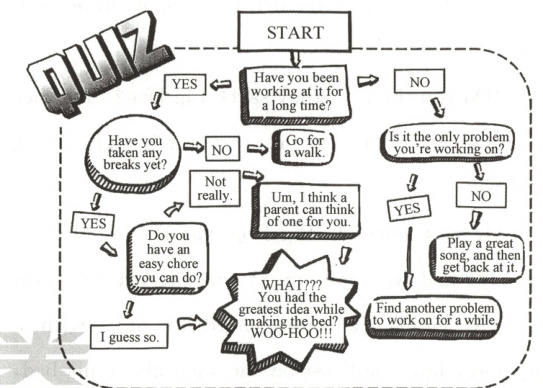
11. What can you do if you are stuck on a problem that is the only one you're working on?
A. Take a long break.
B. Work harder on the problem.
C. Ask others for help.
D. Try to work on another problem.
12. What might happen if you do an easy chore?
A. You might help your parents a lot.
B. You might come up with a great idea.
C. You might finish your chore faster.
D. You might forget about your problem.
13. Which of the following is the most suitable for the blank "
A. cheer you up when you are stuck
B. know the importance of taking a break
C. care more about your family members
D. help you solve a problem that you're stuck on
A
Any creative thinker can get stuck(卡住). Take this quiz to
D
.11. What can you do if you are stuck on a problem that is the only one you're working on?
A. Take a long break.
B. Work harder on the problem.
C. Ask others for help.
D. Try to work on another problem.
12. What might happen if you do an easy chore?
A. You might help your parents a lot.
B. You might come up with a great idea.
C. You might finish your chore faster.
D. You might forget about your problem.
13. Which of the following is the most suitable for the blank "
D
"?A. cheer you up when you are stuck
B. know the importance of taking a break
C. care more about your family members
D. help you solve a problem that you're stuck on
答案:
11. D
12. B
13. D
12. B
13. D
B
Water is one of the most important substances(物质) on Earth. Without water, humans, animals and even plants would die. About 70 per cent of our body weight is water. People have lived for a month or more without food, but we could live for only three or four days without water.
How much water do animals and plants need? A human may need 2 litres(升) per day, a cow needs 135 litres per day and a large tree requires 20,000 litres a day.
How do we people use water? We drink water. We wash our bodies, our clothes and many other things with water. The foods we eat have water in them, and all our drinks are largely water. We use water to cook many of our foods, and we use water for different activities, such as boating, swimming and fishing.
Plants need water to live just like we do. Plants use their roots to take up water from the soil. The crops that farmers grow for our food need water to grow. In some places where there is little rain and the land is dry, farmers bring water from rivers, lakes and wells to their fields. It's called irrigation(灌溉). Some crops need more water to grow than others. Rice and cotton, for example, need lots of water, while olives and oranges need only a little.

Animals also need water to live. The animals that provide us with meat, milk and eggs need large amounts of clean water to drink. Water is also home to millions of plants and animals, including the fish we eat.
Some industries use water to cool hot substances or the moving parts of machines. Water also helps to produce most of our electricity(电). In hydro-electric power stations(水电站) the water of fast-flowing rivers is used to turn the machines that produce electricity.
Water is used to make many kinds of food and many of the things we see or use every day.
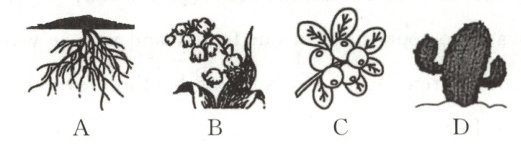
14. Which of the following can be called "roots"?
15. What does the picture in the passage want to tell us?
A. Water is seriously polluted.
B. Water is needed everywhere.
C. Water is limited on our Earth.
D. Water is used in the industry.
16. What can we know about water according to the passage?
A. Animals can live longer than humans without water.
B. Different kinds of plants need the same amount of water.
C. Irrigation gives farmers chances to grow crops in dry places.
D. Hydro-electric power stations can be seen in many countries.
17. What's the main idea of the passage?
A. The quality of water.
B. The background of water.
C. The usage of water.
D. The production of water.
Water is one of the most important substances(物质) on Earth. Without water, humans, animals and even plants would die. About 70 per cent of our body weight is water. People have lived for a month or more without food, but we could live for only three or four days without water.
How much water do animals and plants need? A human may need 2 litres(升) per day, a cow needs 135 litres per day and a large tree requires 20,000 litres a day.
How do we people use water? We drink water. We wash our bodies, our clothes and many other things with water. The foods we eat have water in them, and all our drinks are largely water. We use water to cook many of our foods, and we use water for different activities, such as boating, swimming and fishing.
Plants need water to live just like we do. Plants use their roots to take up water from the soil. The crops that farmers grow for our food need water to grow. In some places where there is little rain and the land is dry, farmers bring water from rivers, lakes and wells to their fields. It's called irrigation(灌溉). Some crops need more water to grow than others. Rice and cotton, for example, need lots of water, while olives and oranges need only a little.
Animals also need water to live. The animals that provide us with meat, milk and eggs need large amounts of clean water to drink. Water is also home to millions of plants and animals, including the fish we eat.
Some industries use water to cool hot substances or the moving parts of machines. Water also helps to produce most of our electricity(电). In hydro-electric power stations(水电站) the water of fast-flowing rivers is used to turn the machines that produce electricity.
Water is used to make many kinds of food and many of the things we see or use every day.
14. Which of the following can be called "roots"?
15. What does the picture in the passage want to tell us?
A. Water is seriously polluted.
B. Water is needed everywhere.
C. Water is limited on our Earth.
D. Water is used in the industry.
16. What can we know about water according to the passage?
A. Animals can live longer than humans without water.
B. Different kinds of plants need the same amount of water.
C. Irrigation gives farmers chances to grow crops in dry places.
D. Hydro-electric power stations can be seen in many countries.
17. What's the main idea of the passage?
A. The quality of water.
B. The background of water.
C. The usage of water.
D. The production of water.
答案:
14. A
15. B
16. C
17. C
15. B
16. C
17. C
查看更多完整答案,请扫码查看

