

 搜索
搜索
2026年江苏13大市中考名卷优选38套英语
注:目前有些书本章节名称可能整理的还不是很完善,但都是按照顺序排列的,请同学们按照顺序仔细查找。练习册 2026年江苏13大市中考名卷优选38套英语 答案主要是用来给同学们做完题方便对答案用的,请勿直接抄袭。
第24页
- 第1页
- 第2页
- 第3页
- 第4页
- 第5页
- 第6页
- 第7页
- 第8页
- 第9页
- 第10页
- 第11页
- 第12页
- 第13页
- 第14页
- 第15页
- 第16页
- 第17页
- 第18页
- 第19页
- 第20页
- 第21页
- 第22页
- 第23页
- 第24页
- 第25页
- 第26页
- 第27页
- 第28页
- 第29页
- 第30页
- 第31页
- 第32页
- 第33页
- 第34页
- 第35页
- 第36页
- 第37页
- 第38页
- 第39页
- 第40页
- 第41页
- 第42页
- 第43页
- 第44页
- 第45页
- 第46页
- 第47页
- 第48页
- 第49页
- 第50页
- 第51页
- 第52页
- 第53页
- 第54页
- 第55页
- 第56页
- 第57页
- 第58页
- 第59页
- 第60页
- 第61页
- 第62页
- 第63页
- 第64页
- 第65页
- 第66页
- 第67页
- 第68页
- 第69页
- 第70页
- 第71页
- 第72页
- 第73页
- 第74页
- 第75页
- 第76页
- 第77页
- 第78页
- 第79页
- 第80页
- 第81页
- 第82页
- 第83页
- 第84页
- 第85页
- 第86页
- 第87页
- 第88页
- 第89页
- 第90页
- 第91页
- 第92页
- 第93页
- 第94页
- 第95页
- 第96页
- 第97页
- 第98页
- 第99页
- 第100页
- 第101页
- 第102页
- 第103页
- 第104页
- 第105页
- 第106页
- 第107页
- 第108页
- 第109页
- 第110页
- 第111页
- 第112页
- 第113页
- 第114页
- 第115页
- 第116页
- 第117页
- 第118页
- 第119页
- 第120页
- 第121页
- 第122页
- 第123页
- 第124页
- 第125页
- 第126页
- 第127页
- 第128页
- 第129页
- 第130页
- 第131页
- 第132页
- 第133页
- 第134页
- 第135页
- 第136页
- 第137页
- 第138页
- 第139页
- 第140页
- 第141页
- 第142页
- 第143页
- 第144页
- 第145页
- 第146页
- 第147页
- 第148页
- 第149页
- 第150页
- 第151页
- 第152页
- 第153页
- 第154页
- 第155页
- 第156页
- 第157页
- 第158页
- 第159页
- 第160页
- 第161页
- 第162页
- 第163页
- 第164页
- 第165页
- 第166页
- 第167页
- 第168页
- 第169页
- 第170页
- 第171页
- 第172页
- 第173页
- 第174页
- 第175页
- 第176页
- 第177页
- 第178页
- 第179页
- 第180页
- 第181页
- 第182页
- 第183页
- 第184页
- 第185页
- 第186页
- 第187页
- 第188页
- 第189页
- 第190页
- 第191页
- 第192页
- 第193页
- 第194页
- 第195页
- 第196页
- 第197页
- 第198页
- 第199页
D(2025 无锡滨湖一模)
When it comes to Chinese literature works about a mother's love, few can compete with Tang Dynasty poet Meng Jiao's poem Song of the Travelling Son. The poem presents a mother who sews clothes for her son by hand. Bathed in candlelight, she also worries about his travel away from home.
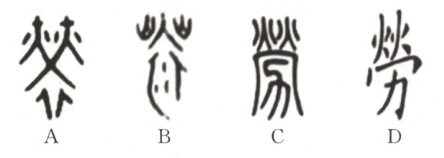
Meng's description of the mother shows the composition of the earliest form of the Chinese character "劳". Found on oracle bones(甲骨) from over 3,000 years ago, it was made up of two characters. There was "火(fire)" on top and "衣(clothes)" below, with three dots(点) that look like stitches. The lower part was later replaced by "力(strength)" and a form symbolizing a house appeared above. The Analytical Dictionary of Chinese Characters explains the form as "When a house is on fire, it takes hard work to put it out."
While the form of the character has been simplified, its meaning has expanded to refer to work, labour (劳动) or toil. It is also associated with feelings like fatigue(疲劳). Since ancient times, Chinese society has looked down upon those who sponge off others. In modern times, the idea that "labour is glorious(光荣的)" has taken root. People who work hard and make great contributions to their community or country are respected as model workers.
Since the 1980s, "劳" has become one of the five key qualities that China's education system seeks to cultivate in students, along with "德(virtue)""智(intelligence)""体(physical fitness)" and "美(appreciation for beauty)". Primary and middle school students typically have at least one hour of "labour class" each week for labour theory and skills.
However, cognitive(认知的) labour and manual (体力的) labour are not always considered equal. As ancient Chinese philosopher Mencius said, "Those who labour with their minds govern(统治), while those who labour with their strength are governed." Throughout history, many Chinese writers have had pity on people who worked hard to survive as poor farmers. In his poem Watching the Wheat Harvest, famous poet Bai Juyi expressed his shame at taking hundreds of kilograms of grain every year as his pay without doing any farm work.
No matter it is cognitive labour or manual labour, overwork can have serious results, which can cause illness or even death. To avoid such things, people are encouraged to achieve a balance between work and rest.
13. Which of the following is the earliest form of the Chinese character "劳"?
14. What does the underlined phrase "sponge off" in Paragraph 3 mean in the passage?
A. Laugh at.
B. Learn from.
C. Look after.
D. Depend on.
15. What can you learn from the passage?
A. The character "劳" meant fatigue in the very beginning.
B. Bai Juyi governed the poor farmers without getting paid.
C. Cognitive labour is considered to be equal to manual labour.
D. Chinese students are expected to have the five key qualities.
16. The main purpose of this passage is to
A. discuss the different types of labour in China
B. explore the cultural meaning of labour in China
C. introduce the history of the Chinese character "劳"
D. compare ancient and modern Chinese literature works
When it comes to Chinese literature works about a mother's love, few can compete with Tang Dynasty poet Meng Jiao's poem Song of the Travelling Son. The poem presents a mother who sews clothes for her son by hand. Bathed in candlelight, she also worries about his travel away from home.
Meng's description of the mother shows the composition of the earliest form of the Chinese character "劳". Found on oracle bones(甲骨) from over 3,000 years ago, it was made up of two characters. There was "火(fire)" on top and "衣(clothes)" below, with three dots(点) that look like stitches. The lower part was later replaced by "力(strength)" and a form symbolizing a house appeared above. The Analytical Dictionary of Chinese Characters explains the form as "When a house is on fire, it takes hard work to put it out."
While the form of the character has been simplified, its meaning has expanded to refer to work, labour (劳动) or toil. It is also associated with feelings like fatigue(疲劳). Since ancient times, Chinese society has looked down upon those who sponge off others. In modern times, the idea that "labour is glorious(光荣的)" has taken root. People who work hard and make great contributions to their community or country are respected as model workers.
Since the 1980s, "劳" has become one of the five key qualities that China's education system seeks to cultivate in students, along with "德(virtue)""智(intelligence)""体(physical fitness)" and "美(appreciation for beauty)". Primary and middle school students typically have at least one hour of "labour class" each week for labour theory and skills.
However, cognitive(认知的) labour and manual (体力的) labour are not always considered equal. As ancient Chinese philosopher Mencius said, "Those who labour with their minds govern(统治), while those who labour with their strength are governed." Throughout history, many Chinese writers have had pity on people who worked hard to survive as poor farmers. In his poem Watching the Wheat Harvest, famous poet Bai Juyi expressed his shame at taking hundreds of kilograms of grain every year as his pay without doing any farm work.
No matter it is cognitive labour or manual labour, overwork can have serious results, which can cause illness or even death. To avoid such things, people are encouraged to achieve a balance between work and rest.
13. Which of the following is the earliest form of the Chinese character "劳"?
14. What does the underlined phrase "sponge off" in Paragraph 3 mean in the passage?
A. Laugh at.
B. Learn from.
C. Look after.
D. Depend on.
15. What can you learn from the passage?
A. The character "劳" meant fatigue in the very beginning.
B. Bai Juyi governed the poor farmers without getting paid.
C. Cognitive labour is considered to be equal to manual labour.
D. Chinese students are expected to have the five key qualities.
16. The main purpose of this passage is to
B
.A. discuss the different types of labour in China
B. explore the cultural meaning of labour in China
C. introduce the history of the Chinese character "劳"
D. compare ancient and modern Chinese literature works
答案:
D
文体:说明文
文章大意:本文从孟郊《游子吟》引入,介绍汉字“劳”的起源、演变及含义,讲述自古以来社会对劳动的看法,提到中国教育体系培养学生的五种关键品质中包含“劳”,还探讨了认知劳动和体力劳动的地位差异,呼吁人们平衡工作与休息。
13. B 细节理解。根据第二段中“Found on oracle bones from over 3,000 years ago, it was made up of two characters. There was ‘火(fire)’ on top and ‘衣(clothes)’ below, with three dots that look like stitches。”可知,最早的“劳”字由上“火”、下“衣”以及类似针脚的三个点组成。
14. D 词义猜测。根据第三段中“Since ancient times, Chinese society has looked down upon those who …”并结合语境可知,古代社会看不起那些依赖他人、不劳而获的人,sponge off意思是“蹭(饭等);白吃”,D项Depend on“依靠”与之意思相近。
15. D 细节理解。根据第四段中“Since the 1980s, ‘劳’ has become one of the five key qualities that China’s education system seeks to cultivate in students”可知,中国学生被期望具备五种关键品质。
16. B 主旨大意。通读全文可知,文章围绕汉字“劳”展开,介绍其含义、社会对劳动的看法等,主要目的是探索中国劳动的文化意义。
文体:说明文
文章大意:本文从孟郊《游子吟》引入,介绍汉字“劳”的起源、演变及含义,讲述自古以来社会对劳动的看法,提到中国教育体系培养学生的五种关键品质中包含“劳”,还探讨了认知劳动和体力劳动的地位差异,呼吁人们平衡工作与休息。
13. B 细节理解。根据第二段中“Found on oracle bones from over 3,000 years ago, it was made up of two characters. There was ‘火(fire)’ on top and ‘衣(clothes)’ below, with three dots that look like stitches。”可知,最早的“劳”字由上“火”、下“衣”以及类似针脚的三个点组成。
14. D 词义猜测。根据第三段中“Since ancient times, Chinese society has looked down upon those who …”并结合语境可知,古代社会看不起那些依赖他人、不劳而获的人,sponge off意思是“蹭(饭等);白吃”,D项Depend on“依靠”与之意思相近。
15. D 细节理解。根据第四段中“Since the 1980s, ‘劳’ has become one of the five key qualities that China’s education system seeks to cultivate in students”可知,中国学生被期望具备五种关键品质。
16. B 主旨大意。通读全文可知,文章围绕汉字“劳”展开,介绍其含义、社会对劳动的看法等,主要目的是探索中国劳动的文化意义。
查看更多完整答案,请扫码查看

