

 搜索
搜索
2026年江苏13大市中考名卷优选38套英语
注:目前有些书本章节名称可能整理的还不是很完善,但都是按照顺序排列的,请同学们按照顺序仔细查找。练习册 2026年江苏13大市中考名卷优选38套英语 答案主要是用来给同学们做完题方便对答案用的,请勿直接抄袭。
第197页
- 第1页
- 第2页
- 第3页
- 第4页
- 第5页
- 第6页
- 第7页
- 第8页
- 第9页
- 第10页
- 第11页
- 第12页
- 第13页
- 第14页
- 第15页
- 第16页
- 第17页
- 第18页
- 第19页
- 第20页
- 第21页
- 第22页
- 第23页
- 第24页
- 第25页
- 第26页
- 第27页
- 第28页
- 第29页
- 第30页
- 第31页
- 第32页
- 第33页
- 第34页
- 第35页
- 第36页
- 第37页
- 第38页
- 第39页
- 第40页
- 第41页
- 第42页
- 第43页
- 第44页
- 第45页
- 第46页
- 第47页
- 第48页
- 第49页
- 第50页
- 第51页
- 第52页
- 第53页
- 第54页
- 第55页
- 第56页
- 第57页
- 第58页
- 第59页
- 第60页
- 第61页
- 第62页
- 第63页
- 第64页
- 第65页
- 第66页
- 第67页
- 第68页
- 第69页
- 第70页
- 第71页
- 第72页
- 第73页
- 第74页
- 第75页
- 第76页
- 第77页
- 第78页
- 第79页
- 第80页
- 第81页
- 第82页
- 第83页
- 第84页
- 第85页
- 第86页
- 第87页
- 第88页
- 第89页
- 第90页
- 第91页
- 第92页
- 第93页
- 第94页
- 第95页
- 第96页
- 第97页
- 第98页
- 第99页
- 第100页
- 第101页
- 第102页
- 第103页
- 第104页
- 第105页
- 第106页
- 第107页
- 第108页
- 第109页
- 第110页
- 第111页
- 第112页
- 第113页
- 第114页
- 第115页
- 第116页
- 第117页
- 第118页
- 第119页
- 第120页
- 第121页
- 第122页
- 第123页
- 第124页
- 第125页
- 第126页
- 第127页
- 第128页
- 第129页
- 第130页
- 第131页
- 第132页
- 第133页
- 第134页
- 第135页
- 第136页
- 第137页
- 第138页
- 第139页
- 第140页
- 第141页
- 第142页
- 第143页
- 第144页
- 第145页
- 第146页
- 第147页
- 第148页
- 第149页
- 第150页
- 第151页
- 第152页
- 第153页
- 第154页
- 第155页
- 第156页
- 第157页
- 第158页
- 第159页
- 第160页
- 第161页
- 第162页
- 第163页
- 第164页
- 第165页
- 第166页
- 第167页
- 第168页
- 第169页
- 第170页
- 第171页
- 第172页
- 第173页
- 第174页
- 第175页
- 第176页
- 第177页
- 第178页
- 第179页
- 第180页
- 第181页
- 第182页
- 第183页
- 第184页
- 第185页
- 第186页
- 第187页
- 第188页
- 第189页
- 第190页
- 第191页
- 第192页
- 第193页
- 第194页
- 第195页
- 第196页
- 第197页
- 第198页
- 第199页
D
If you've ever watched a pet dog getting up from its bed and spreading out, with its front paws on the floor and its tail pointing up in the air, you'll know where the downward - facing dog pose gets its name. You'll have noticed that many other well - known yoga poses take their names from animals too. But just why is it that so many poses are based on animals, insects, and even birds?
To understand where these poses came from you have to think like an ancient yogi. The practice of yoga started many thousands of years ago. There were no cars, computers, high - rise buildings, or playgrounds, so instead people looked to the natural world for inspiration(灵感).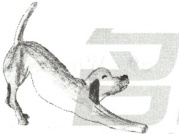
Dawattie Basdeo teaches yoga to children and young people. She explains, “Ancient yogis sat in nature and watched the world around them. They would have been watching the way that animals moved and thinking about copying those shapes. Yoga is about understanding how the world works and your place within it through movement and meditation(冥想).”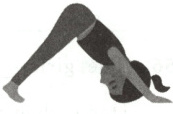
Young children are flexible (柔韧的). But as humans grow up, they spend more time sitting at desks or travelling in cars, and their flexibility decreases. Animals don't have this problem— in fact, they often depend on their bodies and their ability to move to survive.
Dawattie says, “Thinking about animal forms and shapes can make the different yoga poses easy to understand and remember. When you think of the way a dog spreads out, you can easily picture what a downward - facing dog pose might look like. ① A clear picture will come to your mind.”
Yoga is also a spiritual practice, where you think about improving your self - awareness as you move, hold positions, pay attention to your breathing, and meditate. ②
Some breathing exercises practised in yoga also take inspiration from nature, such as Bhramari Pranayama— or bee breathing— where the breath sounds like the buzzing of a bumblebee. ③
Along with taking inspiration from the living beings around them, the ancient yogis were also inspired by the landscapes of the natural world. ④ There are postures that mirror the calmness of a mountain or the strength and balance of a tall tree.
“Humans think of themselves as being at the top of the species ladder,” says Dawattie. “But we can gain so much from the other animals on the planet.”
34. What can we learn about yoga from the passage?
A. Yoga was first created for modern stress.
B. Yoga suits someone with good flexibility.
C. Yoga makes humans as strong as animals.
D. Yoga connects humans to the natural world.
35. The following sentence can be best placed at .
When you pose like a powerful lion, you might think about its strengths and characteristics.
A. ①
B. ②
C. ③
D. ④
36. Why is “mountain” pose mentioned in the passage?
A. To show yoga is about more than animals.
B. To teach how to stand like a mountain.
C. To prove yoga is just for nature lovers.
D. To explain what to do with the breathing.
37. How does the writer share information in the passage?
A. By giving facts and examples.
B. By listing historical events.
C. By sharing experiences and opinions.
D. By comparing different animals.
If you've ever watched a pet dog getting up from its bed and spreading out, with its front paws on the floor and its tail pointing up in the air, you'll know where the downward - facing dog pose gets its name. You'll have noticed that many other well - known yoga poses take their names from animals too. But just why is it that so many poses are based on animals, insects, and even birds?
To understand where these poses came from you have to think like an ancient yogi. The practice of yoga started many thousands of years ago. There were no cars, computers, high - rise buildings, or playgrounds, so instead people looked to the natural world for inspiration(灵感).
Dawattie Basdeo teaches yoga to children and young people. She explains, “Ancient yogis sat in nature and watched the world around them. They would have been watching the way that animals moved and thinking about copying those shapes. Yoga is about understanding how the world works and your place within it through movement and meditation(冥想).”
Young children are flexible (柔韧的). But as humans grow up, they spend more time sitting at desks or travelling in cars, and their flexibility decreases. Animals don't have this problem— in fact, they often depend on their bodies and their ability to move to survive.
Dawattie says, “Thinking about animal forms and shapes can make the different yoga poses easy to understand and remember. When you think of the way a dog spreads out, you can easily picture what a downward - facing dog pose might look like. ① A clear picture will come to your mind.”
Yoga is also a spiritual practice, where you think about improving your self - awareness as you move, hold positions, pay attention to your breathing, and meditate. ②
Some breathing exercises practised in yoga also take inspiration from nature, such as Bhramari Pranayama— or bee breathing— where the breath sounds like the buzzing of a bumblebee. ③
Along with taking inspiration from the living beings around them, the ancient yogis were also inspired by the landscapes of the natural world. ④ There are postures that mirror the calmness of a mountain or the strength and balance of a tall tree.
“Humans think of themselves as being at the top of the species ladder,” says Dawattie. “But we can gain so much from the other animals on the planet.”
34. What can we learn about yoga from the passage?
A. Yoga was first created for modern stress.
B. Yoga suits someone with good flexibility.
C. Yoga makes humans as strong as animals.
D. Yoga connects humans to the natural world.
35. The following sentence can be best placed at .
When you pose like a powerful lion, you might think about its strengths and characteristics.
A. ①
B. ②
C. ③
D. ④
36. Why is “mountain” pose mentioned in the passage?
A. To show yoga is about more than animals.
B. To teach how to stand like a mountain.
C. To prove yoga is just for nature lovers.
D. To explain what to do with the breathing.
37. How does the writer share information in the passage?
A. By giving facts and examples.
B. By listing historical events.
C. By sharing experiences and opinions.
D. By comparing different animals.
答案:
34.D 推理判断。据第二段第三句可知,瑜伽的灵感来源是自然世界,故可以推断瑜伽是将人与自然世界相联结。
35.A 句子还原。第五段第二句举例“下犬式”,故空处可举例“像狮子那样摆出姿势”,进一步说明模仿不同动物可帮助记忆和领会动作。
36.A 推理判断。根据倒数第二段可知,文中提到“山”这个姿势为了说明瑜伽动作不仅可以模仿动物,也可以从自然景观中获得灵感,说明瑜伽不止来自动物,还可来源于“山”“树”等自然景色。
37.A 推理判断。根据第一段引入瑜伽的起源、第二段给出事实、第三段引用老师的解释、第五段列举“下犬式”等具体例子可知,作者通过“给出事实并举例”进行阐述。
35.A 句子还原。第五段第二句举例“下犬式”,故空处可举例“像狮子那样摆出姿势”,进一步说明模仿不同动物可帮助记忆和领会动作。
36.A 推理判断。根据倒数第二段可知,文中提到“山”这个姿势为了说明瑜伽动作不仅可以模仿动物,也可以从自然景观中获得灵感,说明瑜伽不止来自动物,还可来源于“山”“树”等自然景色。
37.A 推理判断。根据第一段引入瑜伽的起源、第二段给出事实、第三段引用老师的解释、第五段列举“下犬式”等具体例子可知,作者通过“给出事实并举例”进行阐述。
查看更多完整答案,请扫码查看

