

 搜索
搜索
2026年江苏13大市中考名卷优选38套英语
注:目前有些书本章节名称可能整理的还不是很完善,但都是按照顺序排列的,请同学们按照顺序仔细查找。练习册 2026年江苏13大市中考名卷优选38套英语 答案主要是用来给同学们做完题方便对答案用的,请勿直接抄袭。
第23页
- 第1页
- 第2页
- 第3页
- 第4页
- 第5页
- 第6页
- 第7页
- 第8页
- 第9页
- 第10页
- 第11页
- 第12页
- 第13页
- 第14页
- 第15页
- 第16页
- 第17页
- 第18页
- 第19页
- 第20页
- 第21页
- 第22页
- 第23页
- 第24页
- 第25页
- 第26页
- 第27页
- 第28页
- 第29页
- 第30页
- 第31页
- 第32页
- 第33页
- 第34页
- 第35页
- 第36页
- 第37页
- 第38页
- 第39页
- 第40页
- 第41页
- 第42页
- 第43页
- 第44页
- 第45页
- 第46页
- 第47页
- 第48页
- 第49页
- 第50页
- 第51页
- 第52页
- 第53页
- 第54页
- 第55页
- 第56页
- 第57页
- 第58页
- 第59页
- 第60页
- 第61页
- 第62页
- 第63页
- 第64页
- 第65页
- 第66页
- 第67页
- 第68页
- 第69页
- 第70页
- 第71页
- 第72页
- 第73页
- 第74页
- 第75页
- 第76页
- 第77页
- 第78页
- 第79页
- 第80页
- 第81页
- 第82页
- 第83页
- 第84页
- 第85页
- 第86页
- 第87页
- 第88页
- 第89页
- 第90页
- 第91页
- 第92页
- 第93页
- 第94页
- 第95页
- 第96页
- 第97页
- 第98页
- 第99页
- 第100页
- 第101页
- 第102页
- 第103页
- 第104页
- 第105页
- 第106页
- 第107页
- 第108页
- 第109页
- 第110页
- 第111页
- 第112页
- 第113页
- 第114页
- 第115页
- 第116页
- 第117页
- 第118页
- 第119页
- 第120页
- 第121页
- 第122页
- 第123页
- 第124页
- 第125页
- 第126页
- 第127页
- 第128页
- 第129页
- 第130页
- 第131页
- 第132页
- 第133页
- 第134页
- 第135页
- 第136页
- 第137页
- 第138页
- 第139页
- 第140页
- 第141页
- 第142页
- 第143页
- 第144页
- 第145页
- 第146页
- 第147页
- 第148页
- 第149页
- 第150页
- 第151页
- 第152页
- 第153页
- 第154页
- 第155页
- 第156页
- 第157页
- 第158页
- 第159页
- 第160页
- 第161页
- 第162页
- 第163页
- 第164页
- 第165页
- 第166页
- 第167页
- 第168页
- 第169页
- 第170页
- 第171页
- 第172页
- 第173页
- 第174页
- 第175页
- 第176页
- 第177页
- 第178页
- 第179页
- 第180页
- 第181页
- 第182页
- 第183页
- 第184页
- 第185页
- 第186页
- 第187页
- 第188页
- 第189页
- 第190页
- 第191页
- 第192页
- 第193页
- 第194页
- 第195页
- 第196页
- 第197页
- 第198页
- 第199页
B(2024 盐城)
Taking Root
How many kinds of plants are there in the world? Lucy Braun wondered that as a child. She showed great interest in plants at a young age. She often had energetic walks with her family through the nearby woods. Some plants and wildflowers seemed to shout at her with their wild colours. Others hid behind rocks.
Lucy looked at the shapes of leaves as she walked in the woods. She kept a record of what she saw. She also learnt to draw what she saw. Then she could compare all kinds of plants. Later, Lucy grew more and more interested in botany, the study of plants.
Branching Out
At university, Lucy took classes in geology, or the study of rocks and minerals. Her work with geologists changed how she looked at the natural world. She continued her studies in botany as well. Lucy also took classes in ecology(生态学). Lucy believed that plant life in some areas was able to move to other places over time.
In Full Bloom
In 1917, Lucy began to teach botany at a university. She lived in a house near the woods. Lucy collected plants from all around the country. She took many photos of them too. Colour photography was still new then. Because of that, people enjoyed her lessons and photos a lot.
The ▲ of Labour(劳动)
Later in her life, Lucy wrote many field guides. In 1950, she published her most important guide. It describes the plants in the forests across the
country. Ecologists still use it to study changes in the forests over time.
Today, Lucy has a few plants named after her. One of them is Lucy Braun's snakeroot, which is now in danger. Lucy's work in the protection of nature may help prevent its disappearance.
Lucy Braun lived to be 81. In her years as a botanist, Lucy collected nearly 12,000 plants!
5. What can we learn from the underlined sentence in Paragraph 1?
A. The plants appeared to be full of life.
B. The plants could talk just like humans.
C. The plants seemed to be angry with Lucy.
D. The plants were looked after well by Lucy.
6. What does Paragraph 2 mainly tell us?
A. The reason why Lucy liked plants.
B. The way Lucy studied plants.
C. The time when Lucy noticed plants.
D. The special plants Lucy collected.
7. Which of the following can be put in " ▲ " in the last part?
A. Causes
B. Records
C. Flowers
D. Fruits
8. What can be the best title for the passage?
A. The Protection of the Plants
B. The Collection of the Plants
C. The Story of a Great Scientist
D. The Lesson by a Scientist
Taking Root
How many kinds of plants are there in the world? Lucy Braun wondered that as a child. She showed great interest in plants at a young age. She often had energetic walks with her family through the nearby woods. Some plants and wildflowers seemed to shout at her with their wild colours. Others hid behind rocks.
Lucy looked at the shapes of leaves as she walked in the woods. She kept a record of what she saw. She also learnt to draw what she saw. Then she could compare all kinds of plants. Later, Lucy grew more and more interested in botany, the study of plants.
Branching Out
At university, Lucy took classes in geology, or the study of rocks and minerals. Her work with geologists changed how she looked at the natural world. She continued her studies in botany as well. Lucy also took classes in ecology(生态学). Lucy believed that plant life in some areas was able to move to other places over time.
In Full Bloom
In 1917, Lucy began to teach botany at a university. She lived in a house near the woods. Lucy collected plants from all around the country. She took many photos of them too. Colour photography was still new then. Because of that, people enjoyed her lessons and photos a lot.
The ▲ of Labour(劳动)
Later in her life, Lucy wrote many field guides. In 1950, she published her most important guide. It describes the plants in the forests across the
country. Ecologists still use it to study changes in the forests over time.
Today, Lucy has a few plants named after her. One of them is Lucy Braun's snakeroot, which is now in danger. Lucy's work in the protection of nature may help prevent its disappearance.
Lucy Braun lived to be 81. In her years as a botanist, Lucy collected nearly 12,000 plants!
5. What can we learn from the underlined sentence in Paragraph 1?
A. The plants appeared to be full of life.
B. The plants could talk just like humans.
C. The plants seemed to be angry with Lucy.
D. The plants were looked after well by Lucy.
6. What does Paragraph 2 mainly tell us?
A. The reason why Lucy liked plants.
B. The way Lucy studied plants.
C. The time when Lucy noticed plants.
D. The special plants Lucy collected.
7. Which of the following can be put in " ▲ " in the last part?
A. Causes
B. Records
C. Flowers
D. Fruits
8. What can be the best title for the passage?
A. The Protection of the Plants
B. The Collection of the Plants
C. The Story of a Great Scientist
D. The Lesson by a Scientist
答案:
B
文体:记叙文
文章大意:本文主要讲述了Lucy Braun作为一位伟大的植物学家的故事,包括她的成长经历、学术研究和对植物保护的贡献。
5. A 推理判断。根据画线句句意可知,植物的颜色非常鲜艳,仿佛在向她呼喊,说明这些植物看起来充满了生机。
Plus解题技巧
根据shout at her with their wild colours中的“鲜艳颜色”可推测植物“充满生机”,对应A项。
6. B 段落大意。通读第二段可知,第二段主要讲述了Lucy早期在树林里对植物的观察记录。
Plus解题技巧
第二段围绕Lucy如何研究植物(记录、绘图、比较)展开,核心是“研究方法”。
7. D 推理判断。通读全文以及最后一部分讲述了Lucy晚年写了许多野外指南,并在1950年出版了她最重要的指南,而这个指南如今仍被生态学家用来研究森林的变化,以及用她的名字来命名一些植物,这些都是Lucy毕生研究所带来的成果(Fruits)。
8. C 标题归纳。整篇文章讲述了Lucy Braun作为一位伟大的植物学家的故事,包括她的成长经历、学术研究和对植物保护的贡献。因此,C项“一位伟大科学家的故事”是最合适的标题。
文体:记叙文
文章大意:本文主要讲述了Lucy Braun作为一位伟大的植物学家的故事,包括她的成长经历、学术研究和对植物保护的贡献。
5. A 推理判断。根据画线句句意可知,植物的颜色非常鲜艳,仿佛在向她呼喊,说明这些植物看起来充满了生机。
Plus解题技巧
根据shout at her with their wild colours中的“鲜艳颜色”可推测植物“充满生机”,对应A项。
6. B 段落大意。通读第二段可知,第二段主要讲述了Lucy早期在树林里对植物的观察记录。
Plus解题技巧
第二段围绕Lucy如何研究植物(记录、绘图、比较)展开,核心是“研究方法”。
7. D 推理判断。通读全文以及最后一部分讲述了Lucy晚年写了许多野外指南,并在1950年出版了她最重要的指南,而这个指南如今仍被生态学家用来研究森林的变化,以及用她的名字来命名一些植物,这些都是Lucy毕生研究所带来的成果(Fruits)。
8. C 标题归纳。整篇文章讲述了Lucy Braun作为一位伟大的植物学家的故事,包括她的成长经历、学术研究和对植物保护的贡献。因此,C项“一位伟大科学家的故事”是最合适的标题。
C(2024 徐州)
The police have many ways of catching criminals. One way of catching them is by fingerprinting. Fingerprinting is the study of the patterns on our fingertips. We have known that no two fingerprints are exactly the same for hundreds of years. However, it wasn't until 1910 that the first criminal in the USA was convicted(被判有罪) using fingerprint evidence.
Early on the morning of September 19, 1910, Hiller's wife noticed that the light which they usually left on was off. When Hiller went to find out what was happening, he saw a stranger at the
top of the stairs. The stranger had broken in and wanted to steal. Hiller and the stranger started to fight, but the stranger had a gun. He shot Hiller twice and ran away.
Hiller's wife ran to Hiller when she heard the gunshots but found him dead. So she called the police. Soon after, the police caught Thomas Jennings, not far from the Hillers' house.
The only problem was no one saw the criminal. However, the police had started using fingerprinting at that time. According to Hiller's wife, only several hours before Hiller's death, he had painted some wood near the kitchen window. Then the police checked the wood completely and found some fingerprints in the wet pa
During the trial(审判), the police proved that the fingerprints belonged to Jennings, and he was convicted of Hiller's murder. Since then, fingerprinting has helped in the conviction of hundreds of thousands of criminals.
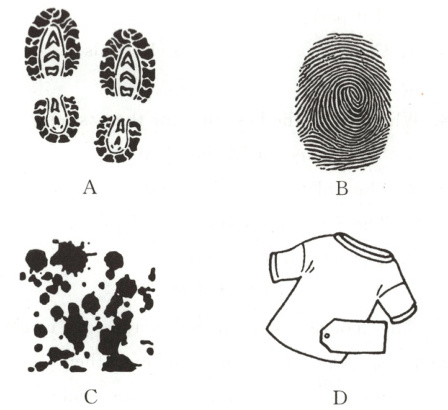
9. What helped the police convict the murderer of Hiller?
10. Which paragraph shows how Hiller was killed?
A. Paragraph 1.
B. Paragraph 2.
C. Paragraph 3.
D. Paragraph 4.
11. What is the RIGHT order of the case?
①The stranger shot Hiller twice and ran away.
②Jennings was convicted of Hiller's murder.
③Hiller saw a stranger at the top of the stairs.
④Hiller painted some wood near the kitchen window.
⑤The police found Jennings' fingerprints in the wet paint.
⑥The police caught Jennings, not far from the Hillers' house.
A. ③④①⑤⑥②
B. ③④⑤①②⑥
C. ④③①⑤②⑥
D. ④③①⑥⑤②
12. How does the writer end the passage?
A. By drawing a conclusion.
B. By providing a surprise ending.
C. By leading in a question.
D. By showing an endless discussion.
The police have many ways of catching criminals. One way of catching them is by fingerprinting. Fingerprinting is the study of the patterns on our fingertips. We have known that no two fingerprints are exactly the same for hundreds of years. However, it wasn't until 1910 that the first criminal in the USA was convicted(被判有罪) using fingerprint evidence.
Early on the morning of September 19, 1910, Hiller's wife noticed that the light which they usually left on was off. When Hiller went to find out what was happening, he saw a stranger at the
top of the stairs. The stranger had broken in and wanted to steal. Hiller and the stranger started to fight, but the stranger had a gun. He shot Hiller twice and ran away.
Hiller's wife ran to Hiller when she heard the gunshots but found him dead. So she called the police. Soon after, the police caught Thomas Jennings, not far from the Hillers' house.
The only problem was no one saw the criminal. However, the police had started using fingerprinting at that time. According to Hiller's wife, only several hours before Hiller's death, he had painted some wood near the kitchen window. Then the police checked the wood completely and found some fingerprints in the wet pa
During the trial(审判), the police proved that the fingerprints belonged to Jennings, and he was convicted of Hiller's murder. Since then, fingerprinting has helped in the conviction of hundreds of thousands of criminals.
9. What helped the police convict the murderer of Hiller?
10. Which paragraph shows how Hiller was killed?
A. Paragraph 1.
B. Paragraph 2.
C. Paragraph 3.
D. Paragraph 4.
11. What is the RIGHT order of the case?
①The stranger shot Hiller twice and ran away.
②Jennings was convicted of Hiller's murder.
③Hiller saw a stranger at the top of the stairs.
④Hiller painted some wood near the kitchen window.
⑤The police found Jennings' fingerprints in the wet paint.
⑥The police caught Jennings, not far from the Hillers' house.
A. ③④①⑤⑥②
B. ③④⑤①②⑥
C. ④③①⑤②⑥
D. ④③①⑥⑤②
12. How does the writer end the passage?
A. By drawing a conclusion.
B. By providing a surprise ending.
C. By leading in a question.
D. By showing an endless discussion.
答案:
C
文体:说明文
文章大意:本文主要讲述了1910年美国出现了第一个使用指纹证据定罪的罪犯,从那以后,指纹识别技术帮助警方使成千上万的罪犯被定罪。
9. B 细节理解。根据最后一段中“During the trial, the police proved that the fingerprints belonged to Jennings, and he was convicted of Hiller’s murder。”可知,警方通过指纹证据将凶手定罪。
10. B 段落大意。根据第二段中“Hiller and the stranger started to fight, but the stranger had a gun. He shot Hiller twice and ran away。”可知,第二段描述了Hiller被杀害的时间、地点和经过。
11. D 细节排序。根据第四段中“only several hours before Hiller’s death, he had painted some wood near the kitchen window”、第二段中“When Hiller went to find out what was happening, he saw a stranger at the top of the stairs。”“He shot Hiller twice and ran away。”、第三段中“Soon after, the police caught Thomas Jennings, not far from the Hillers’ house。”、第四段中“Then the police checked the wood completely and found some fingerprints in the wet paint。”以及最后一段中“During the trial, the police proved that the fingerprints belonged to Jennings, and he was convicted of Hiller’s murder。”可知,正确的顺序是④Hiller在厨房窗户附近给一些木头刷漆→③Hiller在楼梯顶端看到陌生人→①陌生人开枪射击Hiller两次并逃跑→⑥警方在Hiller家附近抓住Jennings→⑤警方在未干的油漆上发现Jennings的指纹→②Jennings被判定谋杀Hiller。
12. A 推理判断。根据最后一段中“Since then, fingerprinting has helped in the conviction of hundreds of thousands of criminals。”可知,最后一段总结了这次审判对后世在定罪中应用指纹技术的重要性。
文体:说明文
文章大意:本文主要讲述了1910年美国出现了第一个使用指纹证据定罪的罪犯,从那以后,指纹识别技术帮助警方使成千上万的罪犯被定罪。
9. B 细节理解。根据最后一段中“During the trial, the police proved that the fingerprints belonged to Jennings, and he was convicted of Hiller’s murder。”可知,警方通过指纹证据将凶手定罪。
10. B 段落大意。根据第二段中“Hiller and the stranger started to fight, but the stranger had a gun. He shot Hiller twice and ran away。”可知,第二段描述了Hiller被杀害的时间、地点和经过。
11. D 细节排序。根据第四段中“only several hours before Hiller’s death, he had painted some wood near the kitchen window”、第二段中“When Hiller went to find out what was happening, he saw a stranger at the top of the stairs。”“He shot Hiller twice and ran away。”、第三段中“Soon after, the police caught Thomas Jennings, not far from the Hillers’ house。”、第四段中“Then the police checked the wood completely and found some fingerprints in the wet paint。”以及最后一段中“During the trial, the police proved that the fingerprints belonged to Jennings, and he was convicted of Hiller’s murder。”可知,正确的顺序是④Hiller在厨房窗户附近给一些木头刷漆→③Hiller在楼梯顶端看到陌生人→①陌生人开枪射击Hiller两次并逃跑→⑥警方在Hiller家附近抓住Jennings→⑤警方在未干的油漆上发现Jennings的指纹→②Jennings被判定谋杀Hiller。
12. A 推理判断。根据最后一段中“Since then, fingerprinting has helped in the conviction of hundreds of thousands of criminals。”可知,最后一段总结了这次审判对后世在定罪中应用指纹技术的重要性。
查看更多完整答案,请扫码查看

