

 搜索
搜索
2026年江苏13大市中考名卷优选38套英语
注:目前有些书本章节名称可能整理的还不是很完善,但都是按照顺序排列的,请同学们按照顺序仔细查找。练习册 2026年江苏13大市中考名卷优选38套英语 答案主要是用来给同学们做完题方便对答案用的,请勿直接抄袭。
第140页
- 第1页
- 第2页
- 第3页
- 第4页
- 第5页
- 第6页
- 第7页
- 第8页
- 第9页
- 第10页
- 第11页
- 第12页
- 第13页
- 第14页
- 第15页
- 第16页
- 第17页
- 第18页
- 第19页
- 第20页
- 第21页
- 第22页
- 第23页
- 第24页
- 第25页
- 第26页
- 第27页
- 第28页
- 第29页
- 第30页
- 第31页
- 第32页
- 第33页
- 第34页
- 第35页
- 第36页
- 第37页
- 第38页
- 第39页
- 第40页
- 第41页
- 第42页
- 第43页
- 第44页
- 第45页
- 第46页
- 第47页
- 第48页
- 第49页
- 第50页
- 第51页
- 第52页
- 第53页
- 第54页
- 第55页
- 第56页
- 第57页
- 第58页
- 第59页
- 第60页
- 第61页
- 第62页
- 第63页
- 第64页
- 第65页
- 第66页
- 第67页
- 第68页
- 第69页
- 第70页
- 第71页
- 第72页
- 第73页
- 第74页
- 第75页
- 第76页
- 第77页
- 第78页
- 第79页
- 第80页
- 第81页
- 第82页
- 第83页
- 第84页
- 第85页
- 第86页
- 第87页
- 第88页
- 第89页
- 第90页
- 第91页
- 第92页
- 第93页
- 第94页
- 第95页
- 第96页
- 第97页
- 第98页
- 第99页
- 第100页
- 第101页
- 第102页
- 第103页
- 第104页
- 第105页
- 第106页
- 第107页
- 第108页
- 第109页
- 第110页
- 第111页
- 第112页
- 第113页
- 第114页
- 第115页
- 第116页
- 第117页
- 第118页
- 第119页
- 第120页
- 第121页
- 第122页
- 第123页
- 第124页
- 第125页
- 第126页
- 第127页
- 第128页
- 第129页
- 第130页
- 第131页
- 第132页
- 第133页
- 第134页
- 第135页
- 第136页
- 第137页
- 第138页
- 第139页
- 第140页
- 第141页
- 第142页
- 第143页
- 第144页
- 第145页
- 第146页
- 第147页
- 第148页
- 第149页
- 第150页
- 第151页
- 第152页
- 第153页
- 第154页
- 第155页
- 第156页
- 第157页
- 第158页
- 第159页
- 第160页
- 第161页
- 第162页
- 第163页
- 第164页
- 第165页
- 第166页
- 第167页
- 第168页
- 第169页
- 第170页
- 第171页
- 第172页
- 第173页
- 第174页
- 第175页
- 第176页
- 第177页
- 第178页
- 第179页
- 第180页
- 第181页
- 第182页
- 第183页
- 第184页
- 第185页
- 第186页
- 第187页
- 第188页
- 第189页
- 第190页
- 第191页
- 第192页
- 第193页
- 第194页
- 第195页
- 第196页
- 第197页
- 第198页
- 第199页
C
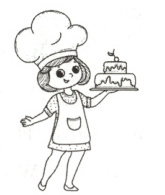
Now, primary students learn cooking at school. It has been discussed by teachers and parents. Some think that it is a useful skill for students, while others think it's a waste of time. Some even think it's just a show. But do they really understand cooking?
It's been said that good cooking is an art form. The truth is that it's much more than that. Then talking about different foods from all around the world, or cultures and histories of dishes, students are connected to the world and learning history and culture in a new field. Then learning cooking, students measure(称量) materials from time to time, or find oil and water don't usually mix. Students are also learning Maths and Science in practice.
The importance of failures in making food is as much as successes. Li Mei, 11, was crazy about the yummy cakes made by her father and wanted to make one on her own. But when taking her cake out, she was frustrated(沮丧的) to find that the cake was hard and black at the bottom. Her father told her when he was 13, he tried to make cakes, but wasted boxes of eggs. Then together with Father, Li Mei found out what had gone wrong and succeeded in making one. Li Mei learned in the failure of cooking, and could be braver to face failures.
Apart from the practical skills, cooking builds character. It encourages kids to work with others. It also encourages them to be open to foods they might not have tried. Though being good for our health, carrots were hated by 12-year-old Xiao Lei. But he started to love them after he made a salad with them. By cooking, students put down their phones and work together with family members in the kitchen. By cooking, students form the habit of doing labor work. As a part of labor education, cooking is a way to teach kids vital 21st century skills, such as creativity, teamwork and so on. If these skills aren't taught to today's students, they might hardly survive in the future.
36. What does the writer think of "learning cooking" in primary schools?
A. It needs better understanding.
B. It's just a useful skill for students.
C. It's really a waste of time.
D. It must be canceled as a show.
37. What's the relationship between cooking and other subjects according to the passage?
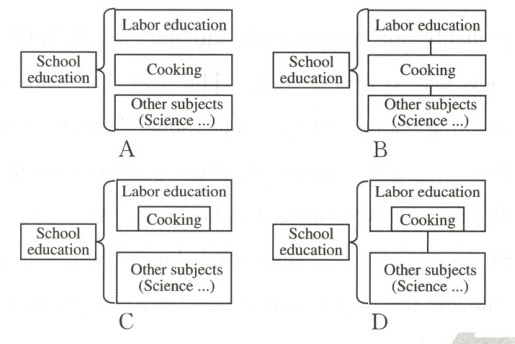
38. What does the writer think of failure in cooking?
A. Cooking can help people avoid failure.
B. There is no failure without success.
C. Failure is as important as success.
D. Cooking is sure to be failure at last.
39. Why does the writer mention the change of Xiao Lei?
A. To show us carrots are good for our health.
B. To encourage kids to work with others.
C. To educate kids to be open to different foods.
D. To teach us how to make a salad with carrots.
40. What does the underlined word "vital" in the last paragraph mean?
A. Necessary.
B. Difficult.
C. Creative.
D. Simple.
Now, primary students learn cooking at school. It has been discussed by teachers and parents. Some think that it is a useful skill for students, while others think it's a waste of time. Some even think it's just a show. But do they really understand cooking?
It's been said that good cooking is an art form. The truth is that it's much more than that. Then talking about different foods from all around the world, or cultures and histories of dishes, students are connected to the world and learning history and culture in a new field. Then learning cooking, students measure(称量) materials from time to time, or find oil and water don't usually mix. Students are also learning Maths and Science in practice.
The importance of failures in making food is as much as successes. Li Mei, 11, was crazy about the yummy cakes made by her father and wanted to make one on her own. But when taking her cake out, she was frustrated(沮丧的) to find that the cake was hard and black at the bottom. Her father told her when he was 13, he tried to make cakes, but wasted boxes of eggs. Then together with Father, Li Mei found out what had gone wrong and succeeded in making one. Li Mei learned in the failure of cooking, and could be braver to face failures.
Apart from the practical skills, cooking builds character. It encourages kids to work with others. It also encourages them to be open to foods they might not have tried. Though being good for our health, carrots were hated by 12-year-old Xiao Lei. But he started to love them after he made a salad with them. By cooking, students put down their phones and work together with family members in the kitchen. By cooking, students form the habit of doing labor work. As a part of labor education, cooking is a way to teach kids vital 21st century skills, such as creativity, teamwork and so on. If these skills aren't taught to today's students, they might hardly survive in the future.
36. What does the writer think of "learning cooking" in primary schools?
A. It needs better understanding.
B. It's just a useful skill for students.
C. It's really a waste of time.
D. It must be canceled as a show.
37. What's the relationship between cooking and other subjects according to the passage?
38. What does the writer think of failure in cooking?
A. Cooking can help people avoid failure.
B. There is no failure without success.
C. Failure is as important as success.
D. Cooking is sure to be failure at last.
39. Why does the writer mention the change of Xiao Lei?
A. To show us carrots are good for our health.
B. To encourage kids to work with others.
C. To educate kids to be open to different foods.
D. To teach us how to make a salad with carrots.
40. What does the underlined word "vital" in the last paragraph mean?
A. Necessary.
B. Difficult.
C. Creative.
D. Simple.
答案:
C
文体:说明文
文章大意:文章介绍了烹饪对学生的好处。
36. A 观点态度。根据第一段和第二段第一、二句可知,作者认为烹饪远远不止是一种技能,不是浪费时间,也不是一种表演。所以作者认为学习烹饪需要被更好地理解。
37. D 推理判断。根据最后一段倒数第二句可知,烹饪是劳动教育的一部分;结合第二段最后一句可知,学生们也在实践中学习数学和科学,所以劳动教育和其他学科是相关的。
38. C 观点态度。根据第三段第一句可知,在制作食物的过程中,作者认为失败和成功同样重要。
39. C 细节理解。根据最后一段第三至五句可知,烹饪鼓励学生们对自己可能没有尝试过的食物持开放态度。虽然胡萝卜对我们的健康有好处,但12岁的小雷却讨厌胡萝卜,然而在用它们做沙拉后,他开始喜欢上了胡萝卜。
40. A 词义猜测。根据画线词所在句可知,作为劳动教育的一部分,烹饪是教给孩子们21世纪的vital技能的一种方式,比如创造力、团队合作等。这些技能都是必需的。
文体:说明文
文章大意:文章介绍了烹饪对学生的好处。
36. A 观点态度。根据第一段和第二段第一、二句可知,作者认为烹饪远远不止是一种技能,不是浪费时间,也不是一种表演。所以作者认为学习烹饪需要被更好地理解。
37. D 推理判断。根据最后一段倒数第二句可知,烹饪是劳动教育的一部分;结合第二段最后一句可知,学生们也在实践中学习数学和科学,所以劳动教育和其他学科是相关的。
38. C 观点态度。根据第三段第一句可知,在制作食物的过程中,作者认为失败和成功同样重要。
39. C 细节理解。根据最后一段第三至五句可知,烹饪鼓励学生们对自己可能没有尝试过的食物持开放态度。虽然胡萝卜对我们的健康有好处,但12岁的小雷却讨厌胡萝卜,然而在用它们做沙拉后,他开始喜欢上了胡萝卜。
40. A 词义猜测。根据画线词所在句可知,作为劳动教育的一部分,烹饪是教给孩子们21世纪的vital技能的一种方式,比如创造力、团队合作等。这些技能都是必需的。
查看更多完整答案,请扫码查看

