

 搜索
搜索
第79页
- 第1页
- 第2页
- 第3页
- 第4页
- 第5页
- 第6页
- 第7页
- 第8页
- 第9页
- 第10页
- 第11页
- 第12页
- 第13页
- 第14页
- 第15页
- 第16页
- 第17页
- 第18页
- 第19页
- 第20页
- 第21页
- 第22页
- 第23页
- 第24页
- 第25页
- 第26页
- 第27页
- 第28页
- 第29页
- 第30页
- 第31页
- 第32页
- 第33页
- 第34页
- 第35页
- 第36页
- 第37页
- 第38页
- 第39页
- 第40页
- 第41页
- 第42页
- 第43页
- 第44页
- 第45页
- 第46页
- 第47页
- 第48页
- 第49页
- 第50页
- 第51页
- 第52页
- 第53页
- 第54页
- 第55页
- 第56页
- 第57页
- 第58页
- 第59页
- 第60页
- 第61页
- 第62页
- 第63页
- 第64页
- 第65页
- 第66页
- 第67页
- 第68页
- 第69页
- 第70页
- 第71页
- 第72页
- 第73页
- 第74页
- 第75页
- 第76页
- 第77页
- 第78页
- 第79页
- 第80页
- 第81页
- 第82页
- 第83页
- 第84页
- 第85页
- 第86页
- 第87页
- 第88页
- 第89页
- 第90页
- 第91页
- 第92页
- 第93页
- 第94页
- 第95页
- 第96页
- 第97页
- 第98页
- 第99页
- 第100页
- 第101页
- 第102页
- 第103页
- 第104页
- 第105页
- 第106页
- 第107页
- 第108页
- 第109页
- 第110页
- 第111页
- 第112页
- 第113页
- 第114页
- 第115页
- 第116页
- 第117页
- 第118页
- 第119页
- 第120页
- 第121页
- 第122页
- 第123页
- 第124页
- 第125页
- 第126页
- 第127页
- 第128页
- 第129页
- 第130页
- 第131页
- 第132页
- 第133页
- 第134页
- 第135页
- 第136页
- 第137页
- 第138页
- 第139页
- 第140页
- 第141页
- 第142页
- 第143页
- 第144页
- 第145页
- 第146页
- 第147页
- 第148页
- 第149页
- 第150页
- 第151页
- 第152页
- 第153页
- 第154页
- 第155页
- 第156页
- 第157页
- 第158页
- 第159页
- 第160页
- 第161页
- 第162页
- 第163页
- 第164页
- 第165页
- 第166页
- 第167页
- 第168页
- 第169页
- 第170页
- 第171页
- 第172页
- 第173页
- 第174页
- 第175页
- 第176页
- 第177页
- 第178页
- 第179页
- 第180页
- 第181页
Passage 1(2024 长沙)
阅读下面短文,从短文后的选项中选出可以填入空白处的最佳选项。每个选项仅使用一次。
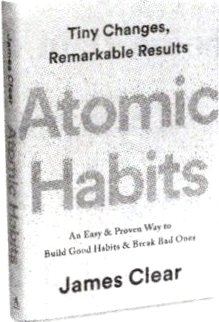
You've probably heard of books that will change your life. And a lot of readers agree that the book Atomic Habits(《原子习惯》) will meet your needs.
James Clear, who did a lot of research on the formation of habits, is the writer of Atomic Habits. 1 It has sold over 15 million copies and has been translated into more than 50 languages. And his website receives millions of visitors each month.
2 That's because the book introduces a practical system(系统) for creating good habits and breaking bad ones. Readers everywhere are very interested in Clear's “science of tiny habits”.
In the book, the writer suggests trying to get 1% better each day. For example, you'd like to exercise but you don't think you have the time or energy. Clear suggests starting with two minutes a day. Over time, the effects of this habit will increase as you repeat the actions. 3 “All big things come from small beginnings,” says Clear.
Clear continues with the following advice: Don't focus on(聚焦) what you want to achieve. 4 For example, two men want to break the habit of smoking. When offered a cigarette(香烟), one says, “No, thanks. I'm trying to give up smoking.” The other says, “No, thanks. I'm not a smoker.” While the first man still sees himself as a smoker, the second man doesn't. Clear says, “Bad habits will die more easily if you focus on who you want to become.”
Atomic Habits will reshape the way you think about progress and success. 5 Slowly but surely, it will have a great effect on your health, job and relationships.
A.Why is it so popular?
B.Instead, focus on who you want to become.
C.He calls these repeated actions “atomic habits”.
D.This book is a No. 1 New York Times bestseller.
E.Also, it will give you the tools you need to change your habits.
1.______ 2.______ 3.______ 4.______ 5.______
阅读下面短文,从短文后的选项中选出可以填入空白处的最佳选项。每个选项仅使用一次。
You've probably heard of books that will change your life. And a lot of readers agree that the book Atomic Habits(《原子习惯》) will meet your needs.
James Clear, who did a lot of research on the formation of habits, is the writer of Atomic Habits. 1 It has sold over 15 million copies and has been translated into more than 50 languages. And his website receives millions of visitors each month.
2 That's because the book introduces a practical system(系统) for creating good habits and breaking bad ones. Readers everywhere are very interested in Clear's “science of tiny habits”.
In the book, the writer suggests trying to get 1% better each day. For example, you'd like to exercise but you don't think you have the time or energy. Clear suggests starting with two minutes a day. Over time, the effects of this habit will increase as you repeat the actions. 3 “All big things come from small beginnings,” says Clear.
Clear continues with the following advice: Don't focus on(聚焦) what you want to achieve. 4 For example, two men want to break the habit of smoking. When offered a cigarette(香烟), one says, “No, thanks. I'm trying to give up smoking.” The other says, “No, thanks. I'm not a smoker.” While the first man still sees himself as a smoker, the second man doesn't. Clear says, “Bad habits will die more easily if you focus on who you want to become.”
Atomic Habits will reshape the way you think about progress and success. 5 Slowly but surely, it will have a great effect on your health, job and relationships.
A.Why is it so popular?
B.Instead, focus on who you want to become.
C.He calls these repeated actions “atomic habits”.
D.This book is a No. 1 New York Times bestseller.
E.Also, it will give you the tools you need to change your habits.
1.______ 2.______ 3.______ 4.______ 5.______
答案:
语篇解读 本文是一篇说明文,主要介绍了一本颇有影响力的书——《原子习惯》。主题语境属于“人与社会”范畴中“文学、艺术与体育”这一主题群,涉及子主题“中外文学史上有代表性的作家和作品”。
1.D 根据空后的“It has sold over 15 million copies and has been translated into more than 50 languages.”可知,这本书是很畅销的。选项D“这本书在《纽约时报》畅销书中排第一”符合语境。
2.A 由下句“That’s because the book introduces a practical system...”可知空处应该是一个问原因的问句,选项A“为什么它如此受欢迎?”符合语境。
3.C 选项C中的“repeated actions”与空前的“repeat the actions”相对应,故选C。
4.B 根据前一句“Don’t focus on what you want to achieve.”及下文的举例可知,选项B“而是要聚焦于你想成为谁”符合语境。
5.E 由前一句“Atomic Habits will reshape the way you think about progress and success.”可知,选项E“而且它还会为你提供改变习惯所需的方法”符合语境。
1.D 根据空后的“It has sold over 15 million copies and has been translated into more than 50 languages.”可知,这本书是很畅销的。选项D“这本书在《纽约时报》畅销书中排第一”符合语境。
2.A 由下句“That’s because the book introduces a practical system...”可知空处应该是一个问原因的问句,选项A“为什么它如此受欢迎?”符合语境。
3.C 选项C中的“repeated actions”与空前的“repeat the actions”相对应,故选C。
4.B 根据前一句“Don’t focus on what you want to achieve.”及下文的举例可知,选项B“而是要聚焦于你想成为谁”符合语境。
5.E 由前一句“Atomic Habits will reshape the way you think about progress and success.”可知,选项E“而且它还会为你提供改变习惯所需的方法”符合语境。
查看更多完整答案,请扫码查看

