

 搜索
搜索
第41页
- 第1页
- 第2页
- 第3页
- 第4页
- 第5页
- 第6页
- 第7页
- 第8页
- 第9页
- 第10页
- 第11页
- 第12页
- 第13页
- 第14页
- 第15页
- 第16页
- 第17页
- 第18页
- 第19页
- 第20页
- 第21页
- 第22页
- 第23页
- 第24页
- 第25页
- 第26页
- 第27页
- 第28页
- 第29页
- 第30页
- 第31页
- 第32页
- 第33页
- 第34页
- 第35页
- 第36页
- 第37页
- 第38页
- 第39页
- 第40页
- 第41页
- 第42页
- 第43页
- 第44页
- 第45页
- 第46页
- 第47页
- 第48页
- 第49页
- 第50页
- 第51页
- 第52页
- 第53页
- 第54页
- 第55页
- 第56页
- 第57页
- 第58页
- 第59页
- 第60页
- 第61页
- 第62页
- 第63页
- 第64页
- 第65页
- 第66页
- 第67页
- 第68页
- 第69页
- 第70页
- 第71页
- 第72页
- 第73页
- 第74页
- 第75页
- 第76页
- 第77页
- 第78页
- 第79页
- 第80页
- 第81页
- 第82页
- 第83页
- 第84页
- 第85页
- 第86页
- 第87页
- 第88页
- 第89页
- 第90页
- 第91页
- 第92页
- 第93页
- 第94页
- 第95页
- 第96页
- 第97页
- 第98页
- 第99页
- 第100页
- 第101页
- 第102页
- 第103页
- 第104页
- 第105页
- 第106页
- 第107页
- 第108页
- 第109页
- 第110页
- 第111页
- 第112页
- 第113页
- 第114页
- 第115页
- 第116页
- 第117页
- 第118页
- 第119页
- 第120页
- 第121页
- 第122页
- 第123页
- 第124页
- 第125页
- 第126页
- 第127页
- 第128页
- 第129页
- 第130页
- 第131页
- 第132页
- 第133页
- 第134页
- 第135页
- 第136页
- 第137页
- 第138页
- 第139页
- 第140页
- 第141页
- 第142页
- 第143页
- 第144页
- 第145页
- 第146页
- 第147页
- 第148页
- 第149页
- 第150页
- 第151页
- 第152页
- 第153页
- 第154页
- 第155页
- 第156页
- 第157页
- 第158页
- 第159页
- 第160页
- 第161页
- 第162页
- 第163页
- 第164页
- 第165页
- 第166页
- 第167页
- 第168页
- 第169页
- 第170页
- 第171页
- 第172页
- 第173页
- 第174页
- 第175页
- 第176页
- 第177页
- 第178页
- 第179页
- 第180页
- 第181页
Passage 7(2023 郴州,C 人与社会)
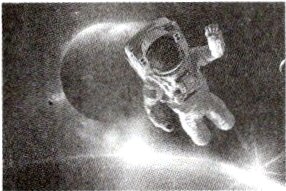
Astronauts would face dangers both getting to and surviving(生存) on Mars. Let’s learn about surviving a trip to Mars.
What would it take to keep people safe and healthy on a trip to Mars? Scientists are already working on it though the trip may be many years later.
Over the last 60 years, many spacecraft(航天器) have flown by, orbited(沿轨道运行) and even landed on the Red Planet. However, humans could work faster and smarter than machines. That’s why the United States, China and other countries want to send people to Mars. But surviving this trip would not be easy.
A trip to Mars would be the farthest journey in human history. Mars is about 225 million kilometers away, so it would take astronauts at least six months to reach there. However, it only takes a few days to get to the moon.
While space travel is never free of danger, it takes a lot more health risks to travel in space for a long time. For one thing, staying in space for long periods makes the human body weak. Also, it puts pressure on the eyes and causes eye problems. But gravity(重力) machines could help.
Then there’s space radiation(辐射) to worry about. It might raise the risk of health problems, especially for astronauts who will have long journeys. Scientists are working out the problems. They have found taking certain vitamins(维生素) can help.
Astronauts will have to pack light to lift off from Earth. But they won’t be able to get things they need like astronauts on the space station do. Astronauts on the space station practice for this by growing lettuce and other food in space. Engineers are developing 3-D printing techniques which could allow future Mars astronauts to build tools as needed.
1. Why do the countries want to send astronauts to Mars?
A. Because spacecraft couldn’t work on Mars.
B. Because humans could work faster and smarter than machines.
C. Because scientists have worked out how to survive on Mars.
2. How long would it take astronauts to reach Mars?
A. A few days.
B. At least six weeks.
C. At least six months.
3. According to the passage, which of the following is TRUE?
A. A trip to the moon would be the farthest journey in human history.
B. Space radiation might raise the risk of health problems for astronauts.
C. Taking certain vitamins can help reduce pressure behind the eyes in space.
4. In the last paragraph, the writer implies(暗示) that ______.
A. Mars astronauts will be able to get things they need
B. Mars astronauts can grow lettuce and other food now
C. 3-D printing techniques could allow astronauts to build tools as needed
5. The passage mainly talks about ______.
A. surviving a trip to Mars
B. spacecraft landing on Mars
C. health problems of future Mars astronauts
Astronauts would face dangers both getting to and surviving(生存) on Mars. Let’s learn about surviving a trip to Mars.
What would it take to keep people safe and healthy on a trip to Mars? Scientists are already working on it though the trip may be many years later.
Over the last 60 years, many spacecraft(航天器) have flown by, orbited(沿轨道运行) and even landed on the Red Planet. However, humans could work faster and smarter than machines. That’s why the United States, China and other countries want to send people to Mars. But surviving this trip would not be easy.
A trip to Mars would be the farthest journey in human history. Mars is about 225 million kilometers away, so it would take astronauts at least six months to reach there. However, it only takes a few days to get to the moon.
While space travel is never free of danger, it takes a lot more health risks to travel in space for a long time. For one thing, staying in space for long periods makes the human body weak. Also, it puts pressure on the eyes and causes eye problems. But gravity(重力) machines could help.
Then there’s space radiation(辐射) to worry about. It might raise the risk of health problems, especially for astronauts who will have long journeys. Scientists are working out the problems. They have found taking certain vitamins(维生素) can help.
Astronauts will have to pack light to lift off from Earth. But they won’t be able to get things they need like astronauts on the space station do. Astronauts on the space station practice for this by growing lettuce and other food in space. Engineers are developing 3-D printing techniques which could allow future Mars astronauts to build tools as needed.
1. Why do the countries want to send astronauts to Mars?
A. Because spacecraft couldn’t work on Mars.
B. Because humans could work faster and smarter than machines.
C. Because scientists have worked out how to survive on Mars.
2. How long would it take astronauts to reach Mars?
A. A few days.
B. At least six weeks.
C. At least six months.
3. According to the passage, which of the following is TRUE?
A. A trip to the moon would be the farthest journey in human history.
B. Space radiation might raise the risk of health problems for astronauts.
C. Taking certain vitamins can help reduce pressure behind the eyes in space.
4. In the last paragraph, the writer implies(暗示) that ______.
A. Mars astronauts will be able to get things they need
B. Mars astronauts can grow lettuce and other food now
C. 3-D printing techniques could allow astronauts to build tools as needed
5. The passage mainly talks about ______.
A. surviving a trip to Mars
B. spacecraft landing on Mars
C. health problems of future Mars astronauts
答案:
语篇解读 本文是一篇说明文。主要介绍了如何在火星之旅中生存。主题语境属于“人与社会”范畴中“科学与技术”这一主题群,涉及子主题“科学技术与工程,人类发明与创新”。
1.B 细节理解题。根据第三段第二、三句可知,人类可以比机器工作得更快、更敏捷。这就是为什么美国、中国和其他国家想把人送上火星。故选B。
2.C 细节理解题。根据第四段第二句可知,火星距离地球约2.25亿千米,因此宇航员至少需要六个月才能到达那里。故选C。
3.B 细节理解题。根据第六段第一、二句“Then there’s space radiation to worry about. It might raise the risk of health problems...”可知,空间辐射可能会增加健康问题的风险。故选B。
4.C 细节理解题。根据最后一段最后一句可知,工程师们正在开发3D打印技术,未来的火星宇航员可以根据需要制造工具。故选C。
5.A 主旨大意题。分析文章结构可知,本文为总—分结构;根据第一段的总起“Astronauts would face dangers both getting to and surviving on Mars. Let’s learn about surviving a trip to Mars.”可知,本文主要介绍如何在火星之旅中生存,故选A。
长难句 Engineers are developing 3-D printing techniques which could allow future Mars astronauts to build tools as needed.工程师们正在开发3D打印技术,可以让未来的火星宇航员根据需要制造工具。
本句为主从复合句,含有一个定语从句“which could allow future Mars astronauts to build tools as needed”,先行词为techniques。
1.B 细节理解题。根据第三段第二、三句可知,人类可以比机器工作得更快、更敏捷。这就是为什么美国、中国和其他国家想把人送上火星。故选B。
2.C 细节理解题。根据第四段第二句可知,火星距离地球约2.25亿千米,因此宇航员至少需要六个月才能到达那里。故选C。
3.B 细节理解题。根据第六段第一、二句“Then there’s space radiation to worry about. It might raise the risk of health problems...”可知,空间辐射可能会增加健康问题的风险。故选B。
4.C 细节理解题。根据最后一段最后一句可知,工程师们正在开发3D打印技术,未来的火星宇航员可以根据需要制造工具。故选C。
5.A 主旨大意题。分析文章结构可知,本文为总—分结构;根据第一段的总起“Astronauts would face dangers both getting to and surviving on Mars. Let’s learn about surviving a trip to Mars.”可知,本文主要介绍如何在火星之旅中生存,故选A。
长难句 Engineers are developing 3-D printing techniques which could allow future Mars astronauts to build tools as needed.工程师们正在开发3D打印技术,可以让未来的火星宇航员根据需要制造工具。
本句为主从复合句,含有一个定语从句“which could allow future Mars astronauts to build tools as needed”,先行词为techniques。
查看更多完整答案,请扫码查看

