

 搜索
搜索
第43页
- 第1页
- 第2页
- 第3页
- 第4页
- 第5页
- 第6页
- 第7页
- 第8页
- 第9页
- 第10页
- 第11页
- 第12页
- 第13页
- 第14页
- 第15页
- 第16页
- 第17页
- 第18页
- 第19页
- 第20页
- 第21页
- 第22页
- 第23页
- 第24页
- 第25页
- 第26页
- 第27页
- 第28页
- 第29页
- 第30页
- 第31页
- 第32页
- 第33页
- 第34页
- 第35页
- 第36页
- 第37页
- 第38页
- 第39页
- 第40页
- 第41页
- 第42页
- 第43页
- 第44页
- 第45页
- 第46页
- 第47页
- 第48页
- 第49页
- 第50页
- 第51页
- 第52页
- 第53页
- 第54页
- 第55页
- 第56页
- 第57页
- 第58页
- 第59页
- 第60页
- 第61页
- 第62页
- 第63页
- 第64页
- 第65页
- 第66页
- 第67页
- 第68页
- 第69页
- 第70页
- 第71页
- 第72页
- 第73页
- 第74页
- 第75页
- 第76页
- 第77页
- 第78页
- 第79页
- 第80页
- 第81页
- 第82页
- 第83页
- 第84页
- 第85页
- 第86页
- 第87页
- 第88页
- 第89页
- 第90页
- 第91页
- 第92页
- 第93页
- 第94页
- 第95页
- 第96页
- 第97页
- 第98页
- 第99页
- 第100页
- 第101页
- 第102页
- 第103页
- 第104页
- 第105页
- 第106页
- 第107页
- 第108页
- 第109页
- 第110页
- 第111页
- 第112页
- 第113页
- 第114页
- 第115页
- 第116页
- 第117页
- 第118页
- 第119页
- 第120页
- 第121页
- 第122页
- 第123页
- 第124页
- 第125页
- 第126页
- 第127页
- 第128页
- 第129页
- 第130页
- 第131页
- 第132页
- 第133页
- 第134页
- 第135页
- 第136页
- 第137页
- 第138页
- 第139页
- 第140页
- 第141页
- 第142页
- 第143页
- 第144页
- 第145页
- 第146页
- 第147页
- 第148页
- 第149页
- 第150页
- 第151页
- 第152页
- 第153页
- 第154页
- 第155页
- 第156页
- 第157页
- 第158页
- 第159页
- 第160页
- 第161页
- 第162页
- 第163页
- 第164页
- 第165页
- 第166页
- 第167页
- 第168页
- 第169页
- 第170页
- 第171页
- 第172页
- 第173页
- 第174页
- 第175页
- 第176页
- 第177页
- 第178页
- 第179页
- 第180页
- 第181页
Passage 9(2023 永州,D 人与自然)
On June 3, the United States Fish and Wildlife Service(USFWS) announced that it would protect the tricolored bat. The animal would be listed under the
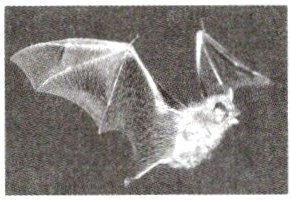 Endangered Species Act. This follows a similar announcement, made in March, to protect the endangered northern long-eared bats. The two kinds of bats are in danger, mainly because of an illness called white-nose syndrome(综合征).
“Bats play such an important role in keeping a healthy ecosystem,” USFWS director Martha Williams said. “But white-nose syndrome is destroying bats,” she added.
White-nose syndrome is caused by a fungus(真菌). It is known to influence only bats, showing up on the animal’s nose and wings. The fungus grows in places that are cold, dark, and wet, like caves. As it hurts a bat’s skin, the animal’s behavior starts to change. The bat becomes more active than normal, wasting the energy it needs to live.
Worldwide, there are more than 1,400 kinds of bats. Most bats are insectivores, which means they eat insects. In a single night, bats can eat insects of “up to half their weight”. This is good news for farmers, since bats eat insects that harm crops. According to the USFWS, the animals help U.S. farmers save more than $3 billion a year in insect control.Nowadays there is no treatment for white-nose syndrome. But scientists are developing ways to help bats. A 2018 study found that a special light can kill the fungus. Researchers are also testing a fungus-fighting thing that can be placed around areas where bats live. And they’re working on a vaccine(疫苗). Local villagers also provide suggestions. One example: set bat boxes. The USFWS says it will announce a decision about how to list the tricolored bat by late 2023. A decision about the northern long-eared bat is expected next month.1. Why are the tricolored bat and the northern long-eared bat in danger?A. Because of a special illness.B. Because of their food.C. Because of their living conditions.2. How does the fungus kill a bat at last?A. By changing a bat’s behavior.B. By hurting a bat’s skin.C. By wasting the energy a bat needs to live.3. Why are bats helpful to farmers in the USA?A. Because bats eat insects that harm crops.B. Because there are more than 1,400 kinds of bats.C. Because bats cost them more than $3 billion each year.
4. What are the researchers doing to fight against the white-nose syndrome?
A. They are testing a special light.
B. They are working on a vaccine.
C. They are setting bat boxes.
5. What is the article mainly about?
A. White-nose syndrome.
B. Kinds of bats.
C. Bats in danger.
On June 3, the United States Fish and Wildlife Service(USFWS) announced that it would protect the tricolored bat. The animal would be listed under the
Endangered Species Act. This follows a similar announcement, made in March, to protect the endangered northern long-eared bats. The two kinds of bats are in danger, mainly because of an illness called white-nose syndrome(综合征).“Bats play such an important role in keeping a healthy ecosystem,” USFWS director Martha Williams said. “But white-nose syndrome is destroying bats,” she added.
White-nose syndrome is caused by a fungus(真菌). It is known to influence only bats, showing up on the animal’s nose and wings. The fungus grows in places that are cold, dark, and wet, like caves. As it hurts a bat’s skin, the animal’s behavior starts to change. The bat becomes more active than normal, wasting the energy it needs to live.
Worldwide, there are more than 1,400 kinds of bats. Most bats are insectivores, which means they eat insects. In a single night, bats can eat insects of “up to half their weight”. This is good news for farmers, since bats eat insects that harm crops. According to the USFWS, the animals help U.S. farmers save more than $3 billion a year in insect control.Nowadays there is no treatment for white-nose syndrome. But scientists are developing ways to help bats. A 2018 study found that a special light can kill the fungus. Researchers are also testing a fungus-fighting thing that can be placed around areas where bats live. And they’re working on a vaccine(疫苗). Local villagers also provide suggestions. One example: set bat boxes. The USFWS says it will announce a decision about how to list the tricolored bat by late 2023. A decision about the northern long-eared bat is expected next month.1. Why are the tricolored bat and the northern long-eared bat in danger?A. Because of a special illness.B. Because of their food.C. Because of their living conditions.2. How does the fungus kill a bat at last?A. By changing a bat’s behavior.B. By hurting a bat’s skin.C. By wasting the energy a bat needs to live.3. Why are bats helpful to farmers in the USA?A. Because bats eat insects that harm crops.B. Because there are more than 1,400 kinds of bats.C. Because bats cost them more than $3 billion each year.
4. What are the researchers doing to fight against the white-nose syndrome?
A. They are testing a special light.
B. They are working on a vaccine.
C. They are setting bat boxes.
5. What is the article mainly about?
A. White-nose syndrome.
B. Kinds of bats.
C. Bats in danger.
答案:
语篇解读 本文是一篇说明文。主要介绍了北方长耳蝙蝠和三色蝙蝠被列入濒危物种名单的原因,以及蝙蝠在生态系统方面发挥的重要作用。主题语境属于“人与自然”范畴中“自然生态”这一主题群。
1.A 细节理解题。根据第一段最后一句“The two kinds of bats are in danger, mainly because of an illness called white - nose syndrome.”可知,这两种蝙蝠处于危险之中,主要是因为一种叫做白鼻综合征的疾病。故选A。
2.C 细节理解题。根据第三段最后两句可知,真菌伤害蝙蝠的皮肤时,它变得比正常时更活跃,浪费了它生存所需的能量,最终导致死亡。故选C。
3.A 细节理解题。根据第四段第三、四句可知,在一个晚上,蝙蝠可以吃掉“达它们自己体重的一半”的昆虫,这对农民来说是个好消息,因为蝙蝠吃的昆虫会伤害庄稼。故选A。
4.B 细节理解题。根据第五段第四、五句“Researchers are also testing... And they’re working on a vaccine.”可知,研究人员正在研制疫苗来对抗白鼻综合征。故选B。
5.C 主旨大意题。本文主要介绍了北方长耳蝙蝠和三色蝙蝠被列入濒危物种名单的原因,以及蝙蝠在生态系统方面发挥的重要作用。故选C。
长难句 Researchers are also testing a fungus - fighting thing that can be placed around areas where bats live.研究人员还在测试一种可以放置在蝙蝠生活区域周围的抗真菌物。
本句为主从复合句,定语从句“that can be placed around areas where bats live”修饰先行词thing。
重点单词 announce v.宣布 protect v.保护 bat n.蝙蝠;球拍 place n.地方 v.放置 provide v.提供 decision n.决定
1.A 细节理解题。根据第一段最后一句“The two kinds of bats are in danger, mainly because of an illness called white - nose syndrome.”可知,这两种蝙蝠处于危险之中,主要是因为一种叫做白鼻综合征的疾病。故选A。
2.C 细节理解题。根据第三段最后两句可知,真菌伤害蝙蝠的皮肤时,它变得比正常时更活跃,浪费了它生存所需的能量,最终导致死亡。故选C。
3.A 细节理解题。根据第四段第三、四句可知,在一个晚上,蝙蝠可以吃掉“达它们自己体重的一半”的昆虫,这对农民来说是个好消息,因为蝙蝠吃的昆虫会伤害庄稼。故选A。
4.B 细节理解题。根据第五段第四、五句“Researchers are also testing... And they’re working on a vaccine.”可知,研究人员正在研制疫苗来对抗白鼻综合征。故选B。
5.C 主旨大意题。本文主要介绍了北方长耳蝙蝠和三色蝙蝠被列入濒危物种名单的原因,以及蝙蝠在生态系统方面发挥的重要作用。故选C。
长难句 Researchers are also testing a fungus - fighting thing that can be placed around areas where bats live.研究人员还在测试一种可以放置在蝙蝠生活区域周围的抗真菌物。
本句为主从复合句,定语从句“that can be placed around areas where bats live”修饰先行词thing。
重点单词 announce v.宣布 protect v.保护 bat n.蝙蝠;球拍 place n.地方 v.放置 provide v.提供 decision n.决定
查看更多完整答案,请扫码查看

