

 搜索
搜索
2025年经纶学霸阅读英语100篇五年级英语
注:目前有些书本章节名称可能整理的还不是很完善,但都是按照顺序排列的,请同学们按照顺序仔细查找。练习册 2025年经纶学霸阅读英语100篇五年级英语 答案主要是用来给同学们做完题方便对答案用的,请勿直接抄袭。
第44页
- 第1页
- 第2页
- 第3页
- 第4页
- 第5页
- 第6页
- 第7页
- 第8页
- 第9页
- 第10页
- 第11页
- 第12页
- 第13页
- 第14页
- 第15页
- 第16页
- 第17页
- 第18页
- 第19页
- 第20页
- 第21页
- 第22页
- 第23页
- 第24页
- 第25页
- 第26页
- 第27页
- 第28页
- 第29页
- 第30页
- 第31页
- 第32页
- 第33页
- 第34页
- 第35页
- 第36页
- 第37页
- 第38页
- 第39页
- 第40页
- 第41页
- 第42页
- 第43页
- 第44页
- 第45页
- 第46页
- 第47页
- 第48页
- 第49页
- 第50页
- 第51页
- 第52页
- 第53页
- 第54页
- 第55页
- 第56页
- 第57页
- 第58页
- 第59页
- 第60页
- 第61页
- 第62页
- 第63页
- 第64页
- 第65页
- 第66页
- 第67页
- 第68页
- 第69页
- 第70页
- 第71页
- 第72页
- 第73页
- 第74页
- 第75页
- 第76页
- 第77页
- 第78页
- 第79页
- 第80页
- 第81页
- 第82页
- 第83页
- 第84页
- 第85页
- 第86页
- 第87页
- 第88页
- 第89页
- 第90页
- 第91页
- 第92页
- 第93页
- 第94页
- 第95页
- 第96页
- 第97页
- 第98页
- 第99页
- 第100页
- 第101页
- 第102页
- 第103页
- 第104页
- 第105页
- 第106页
“非零日”行动
Do you know what a “non-zero day” is? “Non-zero day” 1 doing something every day to be close to one of your dreams. First, you get a calendar and put 2 up on your wall. Try to get a big calendar and you will see it when you 3 every morning. Next, you think of a goal. It can be something big like getting into a good school, 4 something small like eating some good food 5 lunch.
Every day, after you do something that gets you closer to your goal, you can put a big “X” on that 6 on the calendar. The idea is that you should try to do something 7 to your goal every day. Even small steps you get, like taking five minutes to do some reading or 8 (such as ping-pong and basketball), still count as “non-zero day”. But if you 9 a day, you have to put a “O” on that date on the calendar and start over again. The goal, of course, is to have no “zero days”.
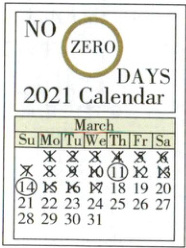
So as you can see, just doing one 10 thing every day can make a big difference over time. Can you try to have more “non-zero day”?
一、阅读下面短文,从每小题所给的 A、B、C三个选项中,选出可以填入空白处的最佳答案。
(
(
(
(
(
二、新考法 英英释义 关键词与概念匹配。
1. Non-zero day
A. Writing down daily progress to stay motivated.
2. Calendar marking
B. Missing a chance to work toward your goal.
3. Small steps
C. Doing at least one thing daily to reach a target.
4. Miss a day
D. Breaking big tasks into manageable actions.
5. Goal setting
E. Deciding what you want to achieve in the future.
三、新考法 应用实践 根据提示,制定个人“非零日”行动计划。
1. Goal Setting: Write down one academic(学业的) goal(e.g., improve Maths scores) and one personal goal(e.g., exercise 3 times a week).
2. Daily Actions: List 3 small actions for each goal(e.g., solve 5 Maths problems daily).
3. Reflection(反思): At the end of the week, answer: Did you miss any days? Why? How did small steps help you feel closer to your goals?

词汇积累
calendar /'kælɪndə(r)/ n. 日历 put up 挂起,张贴 count as 算作,视为 start over 重新开始
goal /gəʊl/ n. 目标 start 与 begin 的区别: start 侧重于“开始一个动作或过程”,如“I start school at 8 o'clock.”我 8 点开始上课。begin 也表示“开始”,但更正式,如“The meeting will begin at 10.”会议将在 10 点开始。
step /step/ n. 步伐 still /stɪl/ adv. 仍然
Do you know what a “non-zero day” is? “Non-zero day” 1 doing something every day to be close to one of your dreams. First, you get a calendar and put 2 up on your wall. Try to get a big calendar and you will see it when you 3 every morning. Next, you think of a goal. It can be something big like getting into a good school, 4 something small like eating some good food 5 lunch.
Every day, after you do something that gets you closer to your goal, you can put a big “X” on that 6 on the calendar. The idea is that you should try to do something 7 to your goal every day. Even small steps you get, like taking five minutes to do some reading or 8 (such as ping-pong and basketball), still count as “non-zero day”. But if you 9 a day, you have to put a “O” on that date on the calendar and start over again. The goal, of course, is to have no “zero days”.
So as you can see, just doing one 10 thing every day can make a big difference over time. Can you try to have more “non-zero day”?
一、阅读下面短文,从每小题所给的 A、B、C三个选项中,选出可以填入空白处的最佳答案。
(
A
)1. A. means B. thinks C. says (C
)2. A. them B. you C. it(
B
)3. A. climb up B. get up C. stay up (A
)4. A. or B. so C. but(
C
)5. A. on B. in C. for (A
)6. A. day B. week C. month(
B
)7. A. dangerous B. helpful C. difficult (A
)8. A. do sports B. play cards C. have dinner(
C
)9. A. make B. plan C. miss (B
)10. A. cool B. small C. great二、新考法 英英释义 关键词与概念匹配。
1. Non-zero day
C
A. Writing down daily progress to stay motivated.
2. Calendar marking
A
B. Missing a chance to work toward your goal.
3. Small steps
D
C. Doing at least one thing daily to reach a target.
4. Miss a day
B
D. Breaking big tasks into manageable actions.
5. Goal setting
E
E. Deciding what you want to achieve in the future.
三、新考法 应用实践 根据提示,制定个人“非零日”行动计划。
1. Goal Setting: Write down one academic(学业的) goal(e.g., improve Maths scores) and one personal goal(e.g., exercise 3 times a week).
2. Daily Actions: List 3 small actions for each goal(e.g., solve 5 Maths problems daily).
3. Reflection(反思): At the end of the week, answer: Did you miss any days? Why? How did small steps help you feel closer to your goals?
词汇积累
calendar /'kælɪndə(r)/ n. 日历 put up 挂起,张贴 count as 算作,视为 start over 重新开始
goal /gəʊl/ n. 目标 start 与 begin 的区别: start 侧重于“开始一个动作或过程”,如“I start school at 8 o'clock.”我 8 点开始上课。begin 也表示“开始”,但更正式,如“The meeting will begin at 10.”会议将在 10 点开始。
step /step/ n. 步伐 still /stɪl/ adv. 仍然
答案:
Did you miss any days? Why? How did small steps help you feel closer to your goals?
词汇积累
calendar /'kælɪndə(r)/ n. 日历 put up 挂起,张贴 count as 算作,视为 start over 重新开始
goal /gəʊl/ n. 目标 start 与 begin 的区别: start 侧重于“开始一个动作或过程”,如“I start school at 8 o'clock.”我 8 点开始上课。begin 也表示“开始”,但更正式,如“The meeting will begin at 10.”会议将在 10 点开始。
step /step/ n. 步伐 still /stɪl/ adv. 仍然
answer:Q 答案详解
一、1.A 句意:“非零日”意思是每天做一些事情来接近你的梦想之一。means 意思是;thinks 认为;says 说。空后“doing something every day to be close to one of your dreams”可知,是介绍“非零日”的意义,故选 A。
A 易混辨析 means VS says
means:表示“意味着”,强调解释概念或定义。
例句:A “non-zero day” means doing something every day for your goals.
says:表示“说”,用于直接引用或陈述事实。
例句:The article says that small actions matter.
辨析:此处需理解“非零日”是定义概念,而非直接陈述,故用“means”。
2.C 句意:首先,你拿一个日历,把它挂在墙上。them 他们;you 你(们);it 它。根据“you get a calendar”及语境可知,是把日历挂在墙上,用 it 指代,故选 C。
3.B 句意:尽量弄一个大日历,这样你每天早上起床的时候就能看到它了。climb up 爬上;get up 起床;stay up 熬夜。根据“every morning”可知,应是指早上起床,故选 B。
4.A 句意:它可以是像进入一所好学校这样的大事,或者是像午餐吃了一些好食物这样的小事。or 或者;so 因此;but 但是。空前“something big like getting into a good school”和空后“something small like ...”之间是选择关系,所以用 or 连接,故选 A。
5.C 句意:它可以是像进入一所好学校这样的大事,也可以是像午餐吃了一些好食物这样的小事。on 在……上;in 在……里;for 为了。根据“lunch”可知,一日三餐前用介词 for,表示“某餐吃……”,故选 C。
6.A 句意:每天,当你做了一些让你更接近目标的事情后,你可以在日历上的那一天上画一个大大的“X”。day 天;week 星期;month 月。根据“Every day”可知,此处指那天,故选 A。
7.B 句意:这个想法是,你应该每天尽力做一些对你的目标有帮助的事情。dangerous 危险的;helpful 有帮助的;difficult 困难的。根据“try to do something ... to your goal every day”可知,是每天做对实现目标有帮助的事情,故选 B。
8.A 句意:即使是像花五分钟读点书或者做运动(比如打乒乓球和篮球)这样的小步骤,也算作“非零日”。do sports 做运动;play cards 打牌;have dinner 吃晚餐。根据“such as ping-pong and basketball”可知,是指做运动,故选 A。
9.C 句意:但如果你错过了一天,你必须在日历上的那个日期上画个“0”,然后重新开始。make 造;plan 计划;miss 错过。根据“you have to put a ‘0’ on that date on the calendar and start over again”可知,应是错过某一天的做法,故选 C。
10.B 句意:所以正如你所看到的,每天只做一件小事,随着时间的推移就会产生很大的不同。cool 凉爽的;small 小的;great 极好的。根据“... thing every day can make a big difference over time”及全文可知,应是每天做一件小事,故选 B。
二、1.C Non-zero day(非零日),指每天至少做一件事来接近你的梦想或目标。与 C 匹配。
2.A Calendar marking(日历标记),指在日历上记录你的每日进展或行动。与 A 匹配。
3.D Small steps(小步骤),指为接近目标而采取的较小的行动或努力,与 D 匹配。
4.B Miss a day(错过一天),指在特定的一天没有采取任何实现目标的行动。与 B 匹配。
5.E Goal setting(目标设定),指建立你想要实现的具体目标或对象。与 E 匹配。
Did you miss any days? Why? How did small steps help you feel closer to your goals?
词汇积累
calendar /'kælɪndə(r)/ n. 日历 put up 挂起,张贴 count as 算作,视为 start over 重新开始
goal /gəʊl/ n. 目标 start 与 begin 的区别: start 侧重于“开始一个动作或过程”,如“I start school at 8 o'clock.”我 8 点开始上课。begin 也表示“开始”,但更正式,如“The meeting will begin at 10.”会议将在 10 点开始。
step /step/ n. 步伐 still /stɪl/ adv. 仍然
answer:Q 答案详解
一、1.A 句意:“非零日”意思是每天做一些事情来接近你的梦想之一。means 意思是;thinks 认为;says 说。空后“doing something every day to be close to one of your dreams”可知,是介绍“非零日”的意义,故选 A。
A 易混辨析 means VS says
means:表示“意味着”,强调解释概念或定义。
例句:A “non-zero day” means doing something every day for your goals.
says:表示“说”,用于直接引用或陈述事实。
例句:The article says that small actions matter.
辨析:此处需理解“非零日”是定义概念,而非直接陈述,故用“means”。
2.C 句意:首先,你拿一个日历,把它挂在墙上。them 他们;you 你(们);it 它。根据“you get a calendar”及语境可知,是把日历挂在墙上,用 it 指代,故选 C。
3.B 句意:尽量弄一个大日历,这样你每天早上起床的时候就能看到它了。climb up 爬上;get up 起床;stay up 熬夜。根据“every morning”可知,应是指早上起床,故选 B。
4.A 句意:它可以是像进入一所好学校这样的大事,或者是像午餐吃了一些好食物这样的小事。or 或者;so 因此;but 但是。空前“something big like getting into a good school”和空后“something small like ...”之间是选择关系,所以用 or 连接,故选 A。
5.C 句意:它可以是像进入一所好学校这样的大事,也可以是像午餐吃了一些好食物这样的小事。on 在……上;in 在……里;for 为了。根据“lunch”可知,一日三餐前用介词 for,表示“某餐吃……”,故选 C。
6.A 句意:每天,当你做了一些让你更接近目标的事情后,你可以在日历上的那一天上画一个大大的“X”。day 天;week 星期;month 月。根据“Every day”可知,此处指那天,故选 A。
7.B 句意:这个想法是,你应该每天尽力做一些对你的目标有帮助的事情。dangerous 危险的;helpful 有帮助的;difficult 困难的。根据“try to do something ... to your goal every day”可知,是每天做对实现目标有帮助的事情,故选 B。
8.A 句意:即使是像花五分钟读点书或者做运动(比如打乒乓球和篮球)这样的小步骤,也算作“非零日”。do sports 做运动;play cards 打牌;have dinner 吃晚餐。根据“such as ping-pong and basketball”可知,是指做运动,故选 A。
9.C 句意:但如果你错过了一天,你必须在日历上的那个日期上画个“0”,然后重新开始。make 造;plan 计划;miss 错过。根据“you have to put a ‘0’ on that date on the calendar and start over again”可知,应是错过某一天的做法,故选 C。
10.B 句意:所以正如你所看到的,每天只做一件小事,随着时间的推移就会产生很大的不同。cool 凉爽的;small 小的;great 极好的。根据“... thing every day can make a big difference over time”及全文可知,应是每天做一件小事,故选 B。
二、1.C Non-zero day(非零日),指每天至少做一件事来接近你的梦想或目标。与 C 匹配。
2.A Calendar marking(日历标记),指在日历上记录你的每日进展或行动。与 A 匹配。
3.D Small steps(小步骤),指为接近目标而采取的较小的行动或努力,与 D 匹配。
4.B Miss a day(错过一天),指在特定的一天没有采取任何实现目标的行动。与 B 匹配。
5.E Goal setting(目标设定),指建立你想要实现的具体目标或对象。与 E 匹配。
查看更多完整答案,请扫码查看

