

 搜索
搜索
2025年经纶学霸阅读英语100篇五年级英语
注:目前有些书本章节名称可能整理的还不是很完善,但都是按照顺序排列的,请同学们按照顺序仔细查找。练习册 2025年经纶学霸阅读英语100篇五年级英语 答案主要是用来给同学们做完题方便对答案用的,请勿直接抄袭。
第28页
- 第1页
- 第2页
- 第3页
- 第4页
- 第5页
- 第6页
- 第7页
- 第8页
- 第9页
- 第10页
- 第11页
- 第12页
- 第13页
- 第14页
- 第15页
- 第16页
- 第17页
- 第18页
- 第19页
- 第20页
- 第21页
- 第22页
- 第23页
- 第24页
- 第25页
- 第26页
- 第27页
- 第28页
- 第29页
- 第30页
- 第31页
- 第32页
- 第33页
- 第34页
- 第35页
- 第36页
- 第37页
- 第38页
- 第39页
- 第40页
- 第41页
- 第42页
- 第43页
- 第44页
- 第45页
- 第46页
- 第47页
- 第48页
- 第49页
- 第50页
- 第51页
- 第52页
- 第53页
- 第54页
- 第55页
- 第56页
- 第57页
- 第58页
- 第59页
- 第60页
- 第61页
- 第62页
- 第63页
- 第64页
- 第65页
- 第66页
- 第67页
- 第68页
- 第69页
- 第70页
- 第71页
- 第72页
- 第73页
- 第74页
- 第75页
- 第76页
- 第77页
- 第78页
- 第79页
- 第80页
- 第81页
- 第82页
- 第83页
- 第84页
- 第85页
- 第86页
- 第87页
- 第88页
- 第89页
- 第90页
- 第91页
- 第92页
- 第93页
- 第94页
- 第95页
- 第96页
- 第97页
- 第98页
- 第99页
- 第100页
- 第101页
- 第102页
- 第103页
- 第104页
- 第105页
- 第106页
饮食健康
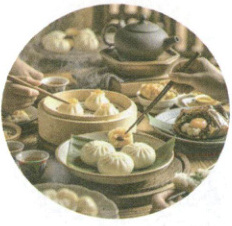
广东人的晨间社交密码
In Guangdong, people often greet each other by saying “Yin Zao Cha Mei?” in Cantonese. It means “Have you drunk your morning tea?” It’s even more 1 than “Hi” or “Good morning” in Guangdong.
Zao Cha, or morning tea, is an important morning 2 for people in Guangdong. 3 rich or poor, young or old, locals will go to a morning tea house to enjoy tea and dim sum for 4 . For them, Zao Cha is not just a daily 5 but also an important way of social communication.
Guangdong morning tea dates back more than 150 years ago during the Qing Dynasty. At that time, there was a small restaurant in Guangzhou that 6 tea and dim sum. As time went by, more and more restaurants like this kind 7 . And more kinds of dim sum have also appeared, 8 shrimp dumplings and barbecued pork buns.
Nowadays, 9 the power of Internet and social media, the culture of Guangdong morning tea has 10 far and wide. People from all over the country and even around the world would like to experience the magic of Guangdong morning tea.
一、通读短文,从A、B、C、D四个选项中选出一个可以填入相应空白处的最佳答案。
(
B. difficult
C. common
D. special
(
B. exercise
C. tool
D. celebration
(
B. Whether
C. Unless
D. If
(
B. dinner
C. lunch
D. breakfast
(
B. habit
C. hobby
D. festival
(
B. bought
C. boiled
D. cooked
(
B. protected
C. appeared
D. accepted
(
B. against
C. except
D. including
(
B. thanks to
C. translated into
D. part with
(
B. spent
C. spread
D. spelt
二、新考法 开放问答 In your hometown, what do people usually eat for breakfast? How is it similar to or different from Guangdong morning tea?
词汇积累
Cantonese /ˌkæntəˈniːz/ n. 广东话,粤语
whether ... or ... 无论……还是……
thanks to 多亏,由于
drunk /drʌŋk/ v.(drink 的过去式)喝
far and wide 广泛地
date back to 追溯到
as time goes by 随着时间的推移
dim sum 点心
pork buns 猪肉包
比较级: 正确使用 more + 形容词 + than(如: more common than)
广东人的晨间社交密码
In Guangdong, people often greet each other by saying “Yin Zao Cha Mei?” in Cantonese. It means “Have you drunk your morning tea?” It’s even more 1 than “Hi” or “Good morning” in Guangdong.
Zao Cha, or morning tea, is an important morning 2 for people in Guangdong. 3 rich or poor, young or old, locals will go to a morning tea house to enjoy tea and dim sum for 4 . For them, Zao Cha is not just a daily 5 but also an important way of social communication.
Guangdong morning tea dates back more than 150 years ago during the Qing Dynasty. At that time, there was a small restaurant in Guangzhou that 6 tea and dim sum. As time went by, more and more restaurants like this kind 7 . And more kinds of dim sum have also appeared, 8 shrimp dumplings and barbecued pork buns.
Nowadays, 9 the power of Internet and social media, the culture of Guangdong morning tea has 10 far and wide. People from all over the country and even around the world would like to experience the magic of Guangdong morning tea.
一、通读短文,从A、B、C、D四个选项中选出一个可以填入相应空白处的最佳答案。
(
C
) 1. A. interestingB. difficult
C. common
D. special
(
A
) 2. A. activityB. exercise
C. tool
D. celebration
(
B
) 3. A. BecauseB. Whether
C. Unless
D. If
(
D
) 4. A. meatB. dinner
C. lunch
D. breakfast
(
B
) 5. A. progressB. habit
C. hobby
D. festival
(
A
) 6. A. servedB. bought
C. boiled
D. cooked
(
C
) 7. A. forgotB. protected
C. appeared
D. accepted
(
D
) 8. A. besidesB. against
C. except
D. including
(
B
) 9. A. compared withB. thanks to
C. translated into
D. part with
(
C
) 10. A. spokenB. spent
C. spread
D. spelt
二、新考法 开放问答 In your hometown, what do people usually eat for breakfast? How is it similar to or different from Guangdong morning tea?
开放性问题,答案不唯一。例如:In Beijing, people often eat jianbing (煎饼). It is quick food, but Guangdong morning tea is for social time.
词汇积累
Cantonese /ˌkæntəˈniːz/ n. 广东话,粤语
whether ... or ... 无论……还是……
thanks to 多亏,由于
drunk /drʌŋk/ v.(drink 的过去式)喝
far and wide 广泛地
date back to 追溯到
as time goes by 随着时间的推移
dim sum 点心
pork buns 猪肉包
比较级: 正确使用 more + 形容词 + than(如: more common than)
答案:
一、1.C 句意:在广东,它甚至比“嗨”或“早上好”更常见。interesting有趣的;difficult困难的;common常见的;special特殊的。根据上文“It means ‘Have you drunk your morning tea?’”及下文“than ‘Hi’ or ‘Good morning’”可知,
10 学霸·阅读 英语 五年级
广东人见面打招呼时问“你喝了早茶了吗?”这句话比“嗨”或“早上好”更常见。故选C。
2.A 句意:早茶对广东人来说是一项重要的早晨活动。activity活动;exercise锻炼;tool工具;celebration庆祝。根据上文“Zao Cha, or morning tea”及下文“locals will go to a morning tea house to enjoy tea and dim sum”可知,早茶对广东人来说是一项重要的早晨活动。故选A。
3.B 句意:无论贫富、老少,当地人都会去茶馆享受早茶和点心作为早餐。Because因为;Whether无论;Unless除非;If如果。根据下文“rich or poor, young or old”可知,此处应用whether... or...表示“无论……还是……”。故选B。
4.D 句意:无论贫富、老少,当地人都会去茶馆享受早茶和点心作为早餐。meat肉;dinner晚餐;lunch午餐;breakfast早餐。根据上文“morning tea”及下文“For them, Zao Cha is not just a daily ...”可知,广东人把早茶和点心当作早餐。故选D。
5.B 句意:对他们来说,早茶不仅仅是一种日常习惯,还是一种重要的社交方式。progress进步;habit习惯;hobby爱好;festival节日。根据上文“locals will go to a morning tea house to enjoy tea and dim sum for ...”可知,对广东人来说,早茶是一种日常习惯。故选B。
A 易混辨析 habit vs. hobby
1.habit 意为“习惯”,指一个人长期、反复、无意识或有意识进行的行为,通常带有规律性和惯性。
特点:可能是中性、积极或消极的,比如刷牙(好习惯)、咬指甲(坏习惯)。
例句:Drinking water after waking up is my daily habit. 起床后喝水是我的日常习惯。
He has a bad habit of staying up late. 他有熬夜的坏习惯。
2.hobby 意为“爱好”,指一个人出于兴趣或乐趣,在空闲时间主动进行的活动。
特点:通常是积极的、有目的性的,比如绘画、运动、阅读等。
例句:My hobby is collecting stamps. 我的爱好是集邮。
6.A 句意:当时广州有一家供应茶和点心的小餐馆。served服务,上(菜);bought买;boiled煮;cooked烹饪。根据上文“there was a small restaurant in Guangzhou”及下文“tea and dim sum”可知,此处指小餐馆供应茶和点心”。serve sth.表示“提供某物”。故选A。
7.C 句意:随着时间的推移,越来越多这样的餐馆出现了。forgot忘记;protected保护;appeared出现;accepted接受。根据上文“At that time, there was a small restaurant in Guangzhou”及下文“And more kinds of dim sum have also appeared”可知,随着时间的推移,越来越多这样的餐馆出现了。故选C。
8.D 句意:而且,也出现了更多种类的点心,包括虾饺和叉烧包。besides除……之外(还有);against反对;except除了;including包括。根据“more kinds of dim sum have also appeared”及“shrimp dumplings and barbecued pork buns”可知,此处指更多种类的点心出现了,包括虾饺和叉烧包。故选D。
9.B 句意:如今,多亏了互联网和社交媒体的力量,广东早茶文化已经传播到全国各地甚至全世界了。compared with与……相比;thanks to多亏了;translated into翻译成;part with放弃。根据下文“the culture of Guangdong morning tea has ... far and wide”可知,此处指多亏了互联网和社交媒体的力量,广东早茶文化传播到全国各地甚至全世界了。故选B。
10.C 句意:如今,多亏了互联网和社交媒体的力量,广东早茶文化已经传播到全国各地甚至全世界了。spoken说;spent花费;spread传播;spelt拼写。根据上文“the power of Internet and social media”及下文“People from all over the country and even around the world would like to experience the magic of Guangdong morning tea.”可知,此处指广东早茶文化传播到全国各地甚至全世界。spread“传播”符合语境。故选C。
二、开放性问题,答案不唯一。例如:In Beijing, people often eat jianbing (煎饼). It is quick food, but Guangdong morning tea is for social time.
10 学霸·阅读 英语 五年级
广东人见面打招呼时问“你喝了早茶了吗?”这句话比“嗨”或“早上好”更常见。故选C。
2.A 句意:早茶对广东人来说是一项重要的早晨活动。activity活动;exercise锻炼;tool工具;celebration庆祝。根据上文“Zao Cha, or morning tea”及下文“locals will go to a morning tea house to enjoy tea and dim sum”可知,早茶对广东人来说是一项重要的早晨活动。故选A。
3.B 句意:无论贫富、老少,当地人都会去茶馆享受早茶和点心作为早餐。Because因为;Whether无论;Unless除非;If如果。根据下文“rich or poor, young or old”可知,此处应用whether... or...表示“无论……还是……”。故选B。
4.D 句意:无论贫富、老少,当地人都会去茶馆享受早茶和点心作为早餐。meat肉;dinner晚餐;lunch午餐;breakfast早餐。根据上文“morning tea”及下文“For them, Zao Cha is not just a daily ...”可知,广东人把早茶和点心当作早餐。故选D。
5.B 句意:对他们来说,早茶不仅仅是一种日常习惯,还是一种重要的社交方式。progress进步;habit习惯;hobby爱好;festival节日。根据上文“locals will go to a morning tea house to enjoy tea and dim sum for ...”可知,对广东人来说,早茶是一种日常习惯。故选B。
A 易混辨析 habit vs. hobby
1.habit 意为“习惯”,指一个人长期、反复、无意识或有意识进行的行为,通常带有规律性和惯性。
特点:可能是中性、积极或消极的,比如刷牙(好习惯)、咬指甲(坏习惯)。
例句:Drinking water after waking up is my daily habit. 起床后喝水是我的日常习惯。
He has a bad habit of staying up late. 他有熬夜的坏习惯。
2.hobby 意为“爱好”,指一个人出于兴趣或乐趣,在空闲时间主动进行的活动。
特点:通常是积极的、有目的性的,比如绘画、运动、阅读等。
例句:My hobby is collecting stamps. 我的爱好是集邮。
6.A 句意:当时广州有一家供应茶和点心的小餐馆。served服务,上(菜);bought买;boiled煮;cooked烹饪。根据上文“there was a small restaurant in Guangzhou”及下文“tea and dim sum”可知,此处指小餐馆供应茶和点心”。serve sth.表示“提供某物”。故选A。
7.C 句意:随着时间的推移,越来越多这样的餐馆出现了。forgot忘记;protected保护;appeared出现;accepted接受。根据上文“At that time, there was a small restaurant in Guangzhou”及下文“And more kinds of dim sum have also appeared”可知,随着时间的推移,越来越多这样的餐馆出现了。故选C。
8.D 句意:而且,也出现了更多种类的点心,包括虾饺和叉烧包。besides除……之外(还有);against反对;except除了;including包括。根据“more kinds of dim sum have also appeared”及“shrimp dumplings and barbecued pork buns”可知,此处指更多种类的点心出现了,包括虾饺和叉烧包。故选D。
9.B 句意:如今,多亏了互联网和社交媒体的力量,广东早茶文化已经传播到全国各地甚至全世界了。compared with与……相比;thanks to多亏了;translated into翻译成;part with放弃。根据下文“the culture of Guangdong morning tea has ... far and wide”可知,此处指多亏了互联网和社交媒体的力量,广东早茶文化传播到全国各地甚至全世界了。故选B。
10.C 句意:如今,多亏了互联网和社交媒体的力量,广东早茶文化已经传播到全国各地甚至全世界了。spoken说;spent花费;spread传播;spelt拼写。根据上文“the power of Internet and social media”及下文“People from all over the country and even around the world would like to experience the magic of Guangdong morning tea.”可知,此处指广东早茶文化传播到全国各地甚至全世界。spread“传播”符合语境。故选C。
二、开放性问题,答案不唯一。例如:In Beijing, people often eat jianbing (煎饼). It is quick food, but Guangdong morning tea is for social time.
查看更多完整答案,请扫码查看

