

 搜索
搜索
第53页
- 第1页
- 第2页
- 第3页
- 第4页
- 第5页
- 第6页
- 第7页
- 第8页
- 第9页
- 第10页
- 第11页
- 第12页
- 第13页
- 第14页
- 第15页
- 第16页
- 第17页
- 第18页
- 第19页
- 第20页
- 第21页
- 第22页
- 第23页
- 第24页
- 第25页
- 第26页
- 第27页
- 第28页
- 第29页
- 第30页
- 第31页
- 第32页
- 第33页
- 第34页
- 第35页
- 第36页
- 第37页
- 第38页
- 第39页
- 第40页
- 第41页
- 第42页
- 第43页
- 第44页
- 第45页
- 第46页
- 第47页
- 第48页
- 第49页
- 第50页
- 第51页
- 第52页
- 第53页
- 第54页
- 第55页
- 第56页
- 第57页
- 第58页
- 第59页
- 第60页
- 第61页
- 第62页
- 第63页
- 第64页
- 第65页
- 第66页
- 第67页
- 第68页
- 第69页
- 第70页
- 第71页
- 第72页
- 第73页
- 第74页
- 第75页
- 第76页
- 第77页
- 第78页
- 第79页
- 第80页
- 第81页
- 第82页
- 第83页
- 第84页
- 第85页
- 第86页
- 第87页
- 第88页
- 第89页
- 第90页
- 第91页
- 第92页
- 第93页
- 第94页
- 第95页
- 第96页
- 第97页
- 第98页
- 第99页
- 第100页
- 第101页
- 第102页
- 第103页
- 第104页
- 第105页
- 第106页
- 第107页
- 第108页
- 第109页
- 第110页
- 第111页
- 第112页
- 第113页
- 第114页
- 第115页
- 第116页
- 第117页
- 第118页
- 第119页
- 第120页
- 第121页
- 第122页
- 第123页
- 第124页
- 第125页
- 第126页
- 第127页
- 第128页
- 第129页
- 第130页
- 第131页
- 第132页
- 第133页
- 第134页
- 第135页
- 第136页
- 第137页
- 第138页
- 第139页
KEY→P16
范畴:人与社会 主题:语言文化 体裁:说明文 难度:★★★★ 建议用时:8分钟 评价:____/5
In Chinese, guiju refers to rules. In fact, these two characters, gui and ju, referred to two tools in ancient times. Do you know what they were?
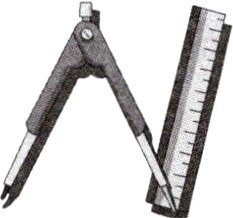
Gui was the tool used to draw circles, like today's compasses(圆规). Ju was used to draw squares, like the try square today.
Gui and ju were useful tools. They helped ancient people draw patterns. Thanks to them, geometry got better. Ju appeared in records of what is known as the Pythagorean theorem. This theorem was one of the most important findings in Maths history.
Ancient Chinese people created the tools very early. Records of the Historian said that Dayu, the man who fought the flood, used gui and ju.
In the brick carving patterns of the Han dynasty, there are such pictures: Fuxi holds a ju, while Nuwa holds a gui.
Ancient people compared guiju to laws and rules. Later, they used the word to refer to rules.
根据短文内容,回答下列问题。每题答案不超过5个词。
1. What did people use gui and ju to do in ancient times?
______________________________
2. How did these two tools help the development of Maths?
______________________________
3. Who used gui and ju according to Records of the Historian?
______________________________
4. Which tool does Fuxi hold in ancient brick carving patterns?
______________________________
5. How do you like guiju at school?
______________________________
范畴:人与社会 主题:语言文化 体裁:说明文 难度:★★★★ 建议用时:8分钟 评价:____/5
In Chinese, guiju refers to rules. In fact, these two characters, gui and ju, referred to two tools in ancient times. Do you know what they were?
Gui was the tool used to draw circles, like today's compasses(圆规). Ju was used to draw squares, like the try square today.
Gui and ju were useful tools. They helped ancient people draw patterns. Thanks to them, geometry got better. Ju appeared in records of what is known as the Pythagorean theorem. This theorem was one of the most important findings in Maths history.
Ancient Chinese people created the tools very early. Records of the Historian said that Dayu, the man who fought the flood, used gui and ju.
In the brick carving patterns of the Han dynasty, there are such pictures: Fuxi holds a ju, while Nuwa holds a gui.
Ancient people compared guiju to laws and rules. Later, they used the word to refer to rules.
根据短文内容,回答下列问题。每题答案不超过5个词。
1. What did people use gui and ju to do in ancient times?
______________________________
2. How did these two tools help the development of Maths?
______________________________
3. Who used gui and ju according to Records of the Historian?
______________________________
4. Which tool does Fuxi hold in ancient brick carving patterns?
______________________________
5. How do you like guiju at school?
______________________________
答案:
任务型阅读
本文主要介绍了两种古代工具“规”和“矩”的来历和作用。人们在日常生活中使用“规”和“矩”来指代法律和规章制度。
1. To draw circles and squares. 2. They helped geometry get better. 3. Dayu. 4. The ju. 5. It's useful for our study.(言之有理即可)
本文主要介绍了两种古代工具“规”和“矩”的来历和作用。人们在日常生活中使用“规”和“矩”来指代法律和规章制度。
1. To draw circles and squares. 2. They helped geometry get better. 3. Dayu. 4. The ju. 5. It's useful for our study.(言之有理即可)
KEY→P16
范畴:人与社会 主题:公共服务 体裁:记叙文 难度:★★★★ 建议用时:8分钟 评价:____/10
根据短文内容及所给首字母提示写出所缺单词,使短文意思完整,每空一词。
Many years ago, my dad worked in a 1. c________ hospital.
A girl in the hospital had a strange disease. She couldn't move her hands 2. o________ feet. She could only 3. m________ her head. She lay in bed every day and she was very sad. Even the doctors couldn't help her.
My dad decided to try to help her. He brought 4. p________, paints and brushes to her room. He put up paper 5. o________ the wall, put the brush in his mouth and began to paint. He didn't use his hands at all. He only moved his head. My dad told the girl, “Look, you can do 6. a________ you want to do.”
Soon, the girl began to paint by using her own mouth. She and my dad became good 7. f________. But one day my dad fell ill and he had to stay at home.
Two months 8. l________, my dad went back to the children's hospital. When he went into the hospital, the girl gave him a big smile. She showed my dad a picture and said, “I drew this picture 9. w________ my mouth. Thank you for 10. h________ me.”
My dad cried every time he told us this story. He would say, “Sometimes love is more powerful than doctors.”
范畴:人与社会 主题:公共服务 体裁:记叙文 难度:★★★★ 建议用时:8分钟 评价:____/10
根据短文内容及所给首字母提示写出所缺单词,使短文意思完整,每空一词。
Many years ago, my dad worked in a 1. c________ hospital.
A girl in the hospital had a strange disease. She couldn't move her hands 2. o________ feet. She could only 3. m________ her head. She lay in bed every day and she was very sad. Even the doctors couldn't help her.
My dad decided to try to help her. He brought 4. p________, paints and brushes to her room. He put up paper 5. o________ the wall, put the brush in his mouth and began to paint. He didn't use his hands at all. He only moved his head. My dad told the girl, “Look, you can do 6. a________ you want to do.”
Soon, the girl began to paint by using her own mouth. She and my dad became good 7. f________. But one day my dad fell ill and he had to stay at home.
Two months 8. l________, my dad went back to the children's hospital. When he went into the hospital, the girl gave him a big smile. She showed my dad a picture and said, “I drew this picture 9. w________ my mouth. Thank you for 10. h________ me.”
My dad cried every time he told us this story. He would say, “Sometimes love is more powerful than doctors.”
答案:
短文填空
A
本文讲述了作为医生的父亲用爱来帮助病人的故事。
1. children's 2. or 3. move 4. paper 5. on 6. anything 7. friends 8. later 9. with 10. helping
A
本文讲述了作为医生的父亲用爱来帮助病人的故事。
1. children's 2. or 3. move 4. paper 5. on 6. anything 7. friends 8. later 9. with 10. helping
查看更多完整答案,请扫码查看

