

 搜索
搜索
第165页
- 第1页
- 第2页
- 第3页
- 第4页
- 第5页
- 第6页
- 第7页
- 第8页
- 第9页
- 第10页
- 第11页
- 第12页
- 第13页
- 第14页
- 第15页
- 第16页
- 第17页
- 第18页
- 第19页
- 第20页
- 第21页
- 第22页
- 第23页
- 第24页
- 第25页
- 第26页
- 第27页
- 第28页
- 第29页
- 第30页
- 第31页
- 第32页
- 第33页
- 第34页
- 第35页
- 第36页
- 第37页
- 第38页
- 第39页
- 第40页
- 第41页
- 第42页
- 第43页
- 第44页
- 第45页
- 第46页
- 第47页
- 第48页
- 第49页
- 第50页
- 第51页
- 第52页
- 第53页
- 第54页
- 第55页
- 第56页
- 第57页
- 第58页
- 第59页
- 第60页
- 第61页
- 第62页
- 第63页
- 第64页
- 第65页
- 第66页
- 第67页
- 第68页
- 第69页
- 第70页
- 第71页
- 第72页
- 第73页
- 第74页
- 第75页
- 第76页
- 第77页
- 第78页
- 第79页
- 第80页
- 第81页
- 第82页
- 第83页
- 第84页
- 第85页
- 第86页
- 第87页
- 第88页
- 第89页
- 第90页
- 第91页
- 第92页
- 第93页
- 第94页
- 第95页
- 第96页
- 第97页
- 第98页
- 第99页
- 第100页
- 第101页
- 第102页
- 第103页
- 第104页
- 第105页
- 第106页
- 第107页
- 第108页
- 第109页
- 第110页
- 第111页
- 第112页
- 第113页
- 第114页
- 第115页
- 第116页
- 第117页
- 第118页
- 第119页
- 第120页
- 第121页
- 第122页
- 第123页
- 第124页
- 第125页
- 第126页
- 第127页
- 第128页
- 第129页
- 第130页
- 第131页
- 第132页
- 第133页
- 第134页
- 第135页
- 第136页
- 第137页
- 第138页
- 第139页
- 第140页
- 第141页
- 第142页
- 第143页
- 第144页
- 第145页
- 第146页
- 第147页
- 第148页
- 第149页
- 第150页
- 第151页
- 第152页
- 第153页
- 第154页
- 第155页
- 第156页
- 第157页
- 第158页
- 第159页
- 第160页
- 第161页
- 第162页
- 第163页
- 第164页
- 第165页
- 第166页
- 第167页
- 第168页
- 第169页
- 第170页
- 第171页
- 第172页
- 第173页
- 第174页
- 第175页
- 第176页
- 第177页
- 第178页
- 第179页
- 第180页
- 第181页
- 第182页
- 第183页
- 第184页
- 第185页
- 第186页
- 第187页
- 第188页
Ⅲ. 阅读理解(每题2分,满分16分)
A
①June 14 is World Blood Donor(献血者)Day! Governments and organizations all around the world will hold events to honour blood donors and encourage more people to donate. Here are some answers to the questions about donating blood.
②Question 1: What's the big deal? Donated blood does so much good! It's used in surgeries(外科手术), medical research and emergencies like car accidents. It's also used in the treatment of cancer, blood disorders and many other medical situations. It helps those who lose blood during operations or in accidents. A single blood donation can save up to three lives!
③Question 2: Does it hurt? Not really. While donating blood, take a deep breath and try to calm yourself. When you are ready, a special kind of needle is put into the arm. You might feel a little hurt, but it's over in a second.
④Question 3: What will happen when I donate blood? First, you'll answer some questions about your medical history, health, medicine, recent travel and lifestyle and have a brief medical exam. Then, if you're OK, you'll sit in a special chair to donate. It takes about 10 minutes to complete the process. Finally, you'll rest for 15 minutes while enjoying the snacks provided.
⑤Question 4: How should I get ready to donate? Find a friend—donating together is more fun! Then search online and book appointments(预约). You'll also want to get a good night's sleep, and drink much water.
⑥Everyone should know how important blood donation is. We can make others interested and encourage them to donate by talking about your experience and by sharing information about local donation events on social media. Everyone can have a heart and give blood.
26. From the answer to Question 1, we can know that ________.
A. donating blood is good for our health
B. donated blood is greatly needed
C. it's unsafe to donate the blood
D. World Blood Donor Day is on June 14
27. Which one is TRUE according to the passage?
A. A single blood donation can only save one life!
B. It takes about ten minutes to finish donating blood.
C. You won't feel hurt at all when donating blood.
D. People can stay up late the night before donating.
新趋势 篇章结构 28. The correct structure of the passage is ________.
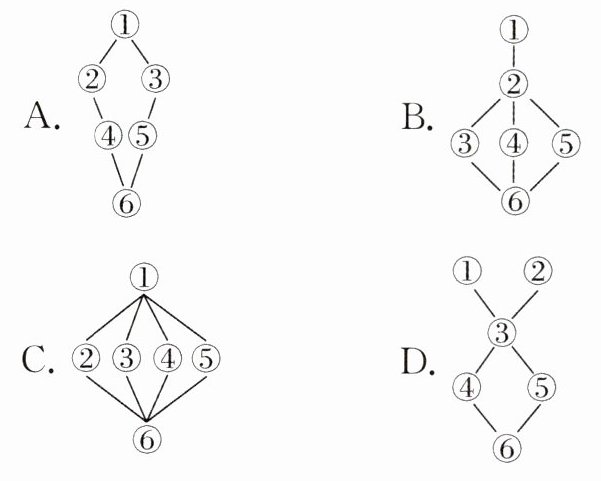
29. In which part of a magazine can we probably find the passage?
A. Health. B. Sports.
C. History. D. People.
A
①June 14 is World Blood Donor(献血者)Day! Governments and organizations all around the world will hold events to honour blood donors and encourage more people to donate. Here are some answers to the questions about donating blood.
②Question 1: What's the big deal? Donated blood does so much good! It's used in surgeries(外科手术), medical research and emergencies like car accidents. It's also used in the treatment of cancer, blood disorders and many other medical situations. It helps those who lose blood during operations or in accidents. A single blood donation can save up to three lives!
③Question 2: Does it hurt? Not really. While donating blood, take a deep breath and try to calm yourself. When you are ready, a special kind of needle is put into the arm. You might feel a little hurt, but it's over in a second.
④Question 3: What will happen when I donate blood? First, you'll answer some questions about your medical history, health, medicine, recent travel and lifestyle and have a brief medical exam. Then, if you're OK, you'll sit in a special chair to donate. It takes about 10 minutes to complete the process. Finally, you'll rest for 15 minutes while enjoying the snacks provided.
⑤Question 4: How should I get ready to donate? Find a friend—donating together is more fun! Then search online and book appointments(预约). You'll also want to get a good night's sleep, and drink much water.
⑥Everyone should know how important blood donation is. We can make others interested and encourage them to donate by talking about your experience and by sharing information about local donation events on social media. Everyone can have a heart and give blood.
26. From the answer to Question 1, we can know that ________.
A. donating blood is good for our health
B. donated blood is greatly needed
C. it's unsafe to donate the blood
D. World Blood Donor Day is on June 14
27. Which one is TRUE according to the passage?
A. A single blood donation can only save one life!
B. It takes about ten minutes to finish donating blood.
C. You won't feel hurt at all when donating blood.
D. People can stay up late the night before donating.
新趋势 篇章结构 28. The correct structure of the passage is ________.
29. In which part of a magazine can we probably find the passage?
A. Health. B. Sports.
C. History. D. People.
答案:
Ⅲ. 26~29 BBCA
A
【文章大意】本文是一篇说明文,主要介绍了世界献血者日的由来和重要性,以及关于献血的一些常见问题和解答。
26. B 推理判断题。根据第②段“It's used in ... It's also used in ... It helps those ...”可知,捐献的血液在手术、医学研究和紧急情况(如车祸)中都有很大的用处,它也用于治疗癌症、血液疾病和其他医疗情况,帮助那些在手术或事故中失血的人。因此,捐献的血液需求很大。故选B。
27. B 判断正误题。根据第④段“It takes about 10 minutes to complete the process.”可知,献血需要大约10分钟。故选B。
28. C 篇章结构题。分析文章可知,第①段介绍的是世界献血者日的时间及设立目的;第②③④⑤段是关于献血的一些常见问题及解答;第⑥段强调了献血的重要性,并呼吁更多的人加入献血的行列中。因此篇章结构如C选项所示。故选C。
29. A 文章出处题。本文介绍的是与献血相关的内容,与健康有关,因此会在杂志的健康部分看到这篇文章。故选A。
A
【文章大意】本文是一篇说明文,主要介绍了世界献血者日的由来和重要性,以及关于献血的一些常见问题和解答。
26. B 推理判断题。根据第②段“It's used in ... It's also used in ... It helps those ...”可知,捐献的血液在手术、医学研究和紧急情况(如车祸)中都有很大的用处,它也用于治疗癌症、血液疾病和其他医疗情况,帮助那些在手术或事故中失血的人。因此,捐献的血液需求很大。故选B。
27. B 判断正误题。根据第④段“It takes about 10 minutes to complete the process.”可知,献血需要大约10分钟。故选B。
28. C 篇章结构题。分析文章可知,第①段介绍的是世界献血者日的时间及设立目的;第②③④⑤段是关于献血的一些常见问题及解答;第⑥段强调了献血的重要性,并呼吁更多的人加入献血的行列中。因此篇章结构如C选项所示。故选C。
29. A 文章出处题。本文介绍的是与献血相关的内容,与健康有关,因此会在杂志的健康部分看到这篇文章。故选A。
B
Gently holding a baby hummingbird, Catia Lattou says, “Hello, cute little guy. Are you hungry?” It's the newest patient at her apartment in Mexico City, where she has nursed hundreds of the tiny birds back to health over the past ten years. Under Catia's gentle touch, the bird relaxes little by little, allowing her to examine it. This is often how Catia's days have gone since she turned her apartment into a home for sick, injured or baby hummingbirds.
Catia began caring for hummingbirds a year after surviving colon cancer. It started with one hummingbird that had an eye injured by another bird. A friend encouraged her to try to help it. She named it Warrior(勇士). The bird became her part that couldn't be taken away, resting on her computer screen while she worked. “It wrote me a new life,” she said of the nine months the bird stayed with her. It helped pull Catia out of the sadness and loneliness she had experienced after her husband's death followed by her cancer.
Later, friends began bringing her more hummingbirds, and the need for her services has jumped since 2022. She began studying how to better care for the tiny birds that are native to America. Someone put a video about her work on the social media, which has been viewed more than 1.5 million times.
Catia says she never turns away a bird. She cares for the birds from 5 a.m. into the night. Most of the hummingbirds stay in Catia's bedroom until they are strong enough to fly and feed themselves before they are finally freed.
The city is filled with menace to hummingbirds. There are other birds that attack them and destroy their homes as well as modern building projects that replace flower gardens. But Catia remains positive and is certain that other bird lovers will plant more flowers to feed the birds. “Nothing is ensured,” she said. “But we do everything possible.”
30. What can be learned about Warrior?
A. It survived for only nine months.
B. It made Catia's cancer disappear.
C. It became well - known for its name.
D. It helped Catia through hard times.
31. What does the underlined word in the last paragraph probably mean?
A. Warning. B. Noise.
C. Pollution. D. Danger.
32. How can people help improve hummingbirds' living conditions?
A. By growing more flowers.
B. By introducing more birds.
C. By freeing the injured ones.
D. By putting up more buildings.
语言能力 分析能力 33. Which one best describes Catia?
A. Selfless and honest.
B. Kind and hard - working.
C. Sociable and humorous.
D. Knowledgeable and honest.
Gently holding a baby hummingbird, Catia Lattou says, “Hello, cute little guy. Are you hungry?” It's the newest patient at her apartment in Mexico City, where she has nursed hundreds of the tiny birds back to health over the past ten years. Under Catia's gentle touch, the bird relaxes little by little, allowing her to examine it. This is often how Catia's days have gone since she turned her apartment into a home for sick, injured or baby hummingbirds.
Catia began caring for hummingbirds a year after surviving colon cancer. It started with one hummingbird that had an eye injured by another bird. A friend encouraged her to try to help it. She named it Warrior(勇士). The bird became her part that couldn't be taken away, resting on her computer screen while she worked. “It wrote me a new life,” she said of the nine months the bird stayed with her. It helped pull Catia out of the sadness and loneliness she had experienced after her husband's death followed by her cancer.
Later, friends began bringing her more hummingbirds, and the need for her services has jumped since 2022. She began studying how to better care for the tiny birds that are native to America. Someone put a video about her work on the social media, which has been viewed more than 1.5 million times.
Catia says she never turns away a bird. She cares for the birds from 5 a.m. into the night. Most of the hummingbirds stay in Catia's bedroom until they are strong enough to fly and feed themselves before they are finally freed.
The city is filled with menace to hummingbirds. There are other birds that attack them and destroy their homes as well as modern building projects that replace flower gardens. But Catia remains positive and is certain that other bird lovers will plant more flowers to feed the birds. “Nothing is ensured,” she said. “But we do everything possible.”
30. What can be learned about Warrior?
A. It survived for only nine months.
B. It made Catia's cancer disappear.
C. It became well - known for its name.
D. It helped Catia through hard times.
31. What does the underlined word in the last paragraph probably mean?
A. Warning. B. Noise.
C. Pollution. D. Danger.
32. How can people help improve hummingbirds' living conditions?
A. By growing more flowers.
B. By introducing more birds.
C. By freeing the injured ones.
D. By putting up more buildings.
语言能力 分析能力 33. Which one best describes Catia?
A. Selfless and honest.
B. Kind and hard - working.
C. Sociable and humorous.
D. Knowledgeable and honest.
答案:
30~33 DDAB
B
【文章大意】本文是一篇记叙文,主要讲述了卡蒂亚如何在她的公寓里护理数百只小蜂鸟的故事。
30. D 推理判断题。根据第二段“A friend encouraged her to try to help it. She named it Warrior ... It helped pull Catia out of the sadness and loneliness”可推测,Warrior帮助卡蒂亚度过了艰难的时光。故选D。
31. D 词义猜测题。根据最后一段“There are other birds that attack them and destroy their homes as well as modern building projects that replace flower gardens.”可知,其他鸟类会攻击蜂鸟,也就说这个城市充满了对蜂鸟的威胁,因此画线单词menace的意思是“威胁”,与danger意思相近。故选D。
32. A 细节理解题。根据最后一段“But Catia remains positive and is certain that other bird lovers will plant more flowers to feed the birds.”可知,人们会通过种植更多的花来帮助改善蜂鸟的生活条件。故选A。
33. B 观点态度题。根据第一段“It's the newest patient at her apartment in Mexico City, where she has nursed hundreds of the tiny birds back to health over the past ten years.”可知,她照顾了那么多鸟,说明她为人善良;根据第四段“She cares for the birds from 5 a.m. into the night.”可知,她从早晨5点到晚上照顾这些鸟,可见她很勤劳;因此可以用kind和hard - working来描述卡蒂亚。故选B。
B
【文章大意】本文是一篇记叙文,主要讲述了卡蒂亚如何在她的公寓里护理数百只小蜂鸟的故事。
30. D 推理判断题。根据第二段“A friend encouraged her to try to help it. She named it Warrior ... It helped pull Catia out of the sadness and loneliness”可推测,Warrior帮助卡蒂亚度过了艰难的时光。故选D。
31. D 词义猜测题。根据最后一段“There are other birds that attack them and destroy their homes as well as modern building projects that replace flower gardens.”可知,其他鸟类会攻击蜂鸟,也就说这个城市充满了对蜂鸟的威胁,因此画线单词menace的意思是“威胁”,与danger意思相近。故选D。
32. A 细节理解题。根据最后一段“But Catia remains positive and is certain that other bird lovers will plant more flowers to feed the birds.”可知,人们会通过种植更多的花来帮助改善蜂鸟的生活条件。故选A。
33. B 观点态度题。根据第一段“It's the newest patient at her apartment in Mexico City, where she has nursed hundreds of the tiny birds back to health over the past ten years.”可知,她照顾了那么多鸟,说明她为人善良;根据第四段“She cares for the birds from 5 a.m. into the night.”可知,她从早晨5点到晚上照顾这些鸟,可见她很勤劳;因此可以用kind和hard - working来描述卡蒂亚。故选B。
查看更多完整答案,请扫码查看

