

 搜索
搜索
第111页
- 第1页
- 第2页
- 第3页
- 第4页
- 第5页
- 第6页
- 第7页
- 第8页
- 第9页
- 第10页
- 第11页
- 第12页
- 第13页
- 第14页
- 第15页
- 第16页
- 第17页
- 第18页
- 第19页
- 第20页
- 第21页
- 第22页
- 第23页
- 第24页
- 第25页
- 第26页
- 第27页
- 第28页
- 第29页
- 第30页
- 第31页
- 第32页
- 第33页
- 第34页
- 第35页
- 第36页
- 第37页
- 第38页
- 第39页
- 第40页
- 第41页
- 第42页
- 第43页
- 第44页
- 第45页
- 第46页
- 第47页
- 第48页
- 第49页
- 第50页
- 第51页
- 第52页
- 第53页
- 第54页
- 第55页
- 第56页
- 第57页
- 第58页
- 第59页
- 第60页
- 第61页
- 第62页
- 第63页
- 第64页
- 第65页
- 第66页
- 第67页
- 第68页
- 第69页
- 第70页
- 第71页
- 第72页
- 第73页
- 第74页
- 第75页
- 第76页
- 第77页
- 第78页
- 第79页
- 第80页
- 第81页
- 第82页
- 第83页
- 第84页
- 第85页
- 第86页
- 第87页
- 第88页
- 第89页
- 第90页
- 第91页
- 第92页
- 第93页
- 第94页
- 第95页
- 第96页
- 第97页
- 第98页
- 第99页
- 第100页
- 第101页
- 第102页
- 第103页
- 第104页
- 第105页
- 第106页
- 第107页
- 第108页
- 第109页
- 第110页
- 第111页
- 第112页
- 第113页
- 第114页
- 第115页
- 第116页
- 第117页
- 第118页
- 第119页
- 第120页
- 第121页
- 第122页
- 第123页
- 第124页
- 第125页
- 第126页
- 第127页
- 第128页
- 第129页
- 第130页
- 第131页
- 第132页
- 第133页
- 第134页
- 第135页
- 第136页
- 第137页
- 第138页
- 第139页
- 第140页
- 第141页
- 第142页
- 第143页
- 第144页
- 第145页
- 第146页
- 第147页
- 第148页
- 第149页
- 第150页
- 第151页
- 第152页
- 第153页
- 第154页
- 第155页
- 第156页
- 第157页
- 第158页
- 第159页
- 第160页
- 第161页
- 第162页
- 第163页
- 第164页
- 第165页
- 第166页
- 第167页
- 第168页
- 第169页
- 第170页
- 第171页
- 第172页
- 第173页
- 第174页
- 第175页
- 第176页
- 第177页
- 第178页
- 第179页
- 第180页
- 第181页
- 第182页
- 第183页
- 第184页
- 第185页
- 第186页
- 第187页
- 第188页
Ⅲ. 阅读理解(每题1.5分,满分15分)
(2024·广东中考)A
People know animals do have feelings, but they are not sure if these feelings are correctly understood. In recent years, scientists have done research about the feelings of cows, frogs and pandas. ▲ It says that humans can tell whether a chicken is happy or sad by listening to its calls.
The researchers put a bowl behind a door. Inside the bowl, sometimes, there was something chickens love to eat, such as rice or insects. Sometimes, there was nothing. When the chickens saw food behind the door, they seemed happy and produced fast and loud sounds, known as food calls. When there wasn't food, the chickens made low and long noises to express disappointment. The researchers recorded all these sounds and studied their waves.
Then the researchers chose 16 recordings of such chicken noises. Half were from the chickens seeing the food and half were from the chickens finding no food. The recordings were played to 194 volunteers. Sixty - nine per cent of the volunteers correctly understood whether the chickens were feeling happy or not, and some of them even had no experience of taking care of chickens.
The result shows that humans have the natural ability to understand the feelings of chickens. Hopefully, this finding can bring about new technology to help with chicken - raising, a big industry in many countries. Some scientists are already working on a smart computer programme that can identify chickens' feelings. This is good news for farmers who want to make the birds happier and healthier.
新趋势补全文章26. Which of the following can be put in “ ▲ ” in Paragraph 1?
A. Humans may not like animals.
B. Scientists know nothing about it.
C. Nobody knows why this happens.
D. A new study adds chickens to the list.
新趋势学科融合27. Which is most probably the sound wave of a happy call by a chicken?
A.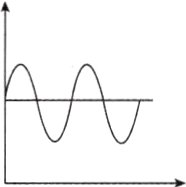
B.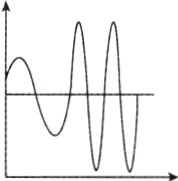
C.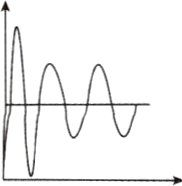
D.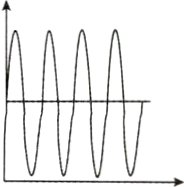
28. How did the volunteers help with the research?
A. By listening to the chicken calls.
B. By taking care of the chickens.
C. By finding food for the chickens.
D. By making the chickens happy.
29. What does the underlined word “identify” mean in Paragraph 4?
A. Control.
B. Hide.
C. Tell.
D. Hurt.
30. What is the best title for the passage?
A. Chickens' Food Calls
B. Happy Chickens, Sad Chickens
C. Farmers' Best Choice
D. Smart Farmers, Healthy Farmers
(2024·广东中考)A
People know animals do have feelings, but they are not sure if these feelings are correctly understood. In recent years, scientists have done research about the feelings of cows, frogs and pandas. ▲ It says that humans can tell whether a chicken is happy or sad by listening to its calls.
The researchers put a bowl behind a door. Inside the bowl, sometimes, there was something chickens love to eat, such as rice or insects. Sometimes, there was nothing. When the chickens saw food behind the door, they seemed happy and produced fast and loud sounds, known as food calls. When there wasn't food, the chickens made low and long noises to express disappointment. The researchers recorded all these sounds and studied their waves.
Then the researchers chose 16 recordings of such chicken noises. Half were from the chickens seeing the food and half were from the chickens finding no food. The recordings were played to 194 volunteers. Sixty - nine per cent of the volunteers correctly understood whether the chickens were feeling happy or not, and some of them even had no experience of taking care of chickens.
The result shows that humans have the natural ability to understand the feelings of chickens. Hopefully, this finding can bring about new technology to help with chicken - raising, a big industry in many countries. Some scientists are already working on a smart computer programme that can identify chickens' feelings. This is good news for farmers who want to make the birds happier and healthier.
新趋势补全文章26. Which of the following can be put in “ ▲ ” in Paragraph 1?
A. Humans may not like animals.
B. Scientists know nothing about it.
C. Nobody knows why this happens.
D. A new study adds chickens to the list.
新趋势学科融合27. Which is most probably the sound wave of a happy call by a chicken?
A.
B.
C.
D.
28. How did the volunteers help with the research?
A. By listening to the chicken calls.
B. By taking care of the chickens.
C. By finding food for the chickens.
D. By making the chickens happy.
29. What does the underlined word “identify” mean in Paragraph 4?
A. Control.
B. Hide.
C. Tell.
D. Hurt.
30. What is the best title for the passage?
A. Chickens' Food Calls
B. Happy Chickens, Sad Chickens
C. Farmers' Best Choice
D. Smart Farmers, Healthy Farmers
答案:
26~30 DDACB
A
[文章大意]本文是一篇说明文,介绍了一项研究,研究结果表明人类可以通过听鸡的叫声来判断它是高兴还是悲伤。
26. D 补全文章题。根据“Until recently, scientists have done research about the feelings of cows, frogs and pandas ... It says that humans can tell whether a chicken is happy or sad by listening to its calls.”可知,空前提到牛、青蛙和熊猫,空后提到鸡,选项D“一项新的研究将鸡加入了这个名单。”符合语境,故选D。
27. D 图示理解题。根据“When the chickens saw food behind the door, they seemed happy and produced fast and loud sounds”可知,当鸡看到门后有食物时,它们似乎很高兴,并发出快速而响亮的声音,即频率快、音量大、音调高的声音。选项D符合描述,故选D。
28. A 细节理解题。根据“The recordings were played to 194 volunteers.”可知,这些录音播放给194名志愿者听,所以志愿者们是通过听鸡的叫声来帮助这项研究,故选A。
29. C 词义猜测题。根据“The result shows that humans have the natural ability to understand the feelings of chickens ... Some scientists are already working on a smart computer programme that can identify chickens' feelings.”可推测,一些科学家已经在研究一种可以理解鸡的情感的智能计算机程序。由此可知,“identify”意为“识别,理解”,故选C。
30. B 标题归纳题。本文主要介绍了一项研究——人类可以通过听鸡的叫声来判断它是高兴还是悲伤,选项B“快乐的鸡,悲伤的鸡”符合主旨,故选B。
A
[文章大意]本文是一篇说明文,介绍了一项研究,研究结果表明人类可以通过听鸡的叫声来判断它是高兴还是悲伤。
26. D 补全文章题。根据“Until recently, scientists have done research about the feelings of cows, frogs and pandas ... It says that humans can tell whether a chicken is happy or sad by listening to its calls.”可知,空前提到牛、青蛙和熊猫,空后提到鸡,选项D“一项新的研究将鸡加入了这个名单。”符合语境,故选D。
27. D 图示理解题。根据“When the chickens saw food behind the door, they seemed happy and produced fast and loud sounds”可知,当鸡看到门后有食物时,它们似乎很高兴,并发出快速而响亮的声音,即频率快、音量大、音调高的声音。选项D符合描述,故选D。
28. A 细节理解题。根据“The recordings were played to 194 volunteers.”可知,这些录音播放给194名志愿者听,所以志愿者们是通过听鸡的叫声来帮助这项研究,故选A。
29. C 词义猜测题。根据“The result shows that humans have the natural ability to understand the feelings of chickens ... Some scientists are already working on a smart computer programme that can identify chickens' feelings.”可推测,一些科学家已经在研究一种可以理解鸡的情感的智能计算机程序。由此可知,“identify”意为“识别,理解”,故选C。
30. B 标题归纳题。本文主要介绍了一项研究——人类可以通过听鸡的叫声来判断它是高兴还是悲伤,选项B“快乐的鸡,悲伤的鸡”符合主旨,故选B。
(2024·滨州中考)B
Zigong, in Sichuan Province, is home to Chinese lanterns. Zigong lanterns are known as the best lanterns in the world. The Zigong Lantern Festival dates back to the Tang dynasty. The festival has quickly developed with traditional culture and modern technologies(科技). In 2008, the Zigong Lantern Festival was listed as a national intangible cultural heritage(国家非物质文化遗产), becoming a shining name card for Chinese culture to go out into the world.
“Making a huge lantern for a show requires 17 steps,” said Wan Songtao, an inheritor(传承人) of Zigong lantern - making. “Each step is finished by a team instead of a single maker,” Wan added. The sundial(日晷), a kind of lantern, made by Wan's team, for example, took about 80 makers over 50 days to complete the whole process. Unlike the lanterns in other places, Zigong lanterns use modern technologies such as AI, mechanical engineering(机械工程), and holography(全息摄影术). They are perfect combinations(结合) of lights, sounds and movements.
What's more, the theme of the lantern can be chosen in different ways. “Anything that can be designed on a lantern can make a wonderful show, and everyone is encouraged to turn their ideas into real works,” said Zhang Fanglai, a leading researcher at the Colourful Lantern Museum of China. And the rich themes of Zigong lanterns show the spirit of creativity and warmth from the bottom of the local people's heart.
The government encourages local people to learn lantern - making widely. Without doubt, at the heart of the Zigong Lantern Festival's success is the local tradition of pulling together. Zigong lanterns are getting more and more popular. Driven by the collective efforts of the whole city, they have reached over 80 countries. It's believed that Zigong lanterns will reach every corner of the world in the future.
跨学科历史31. Which of the following poets could probably enjoy Zigong lanterns?
A. Cao Cao.
B. Li Bai.
C. Tao Yuanming.
D. Cao Zhi.
32. What can we infer from Paragraph 2?
①Holography is a kind of traditional technology.
②It's hard for makers to complete a huge lantern for a show.
③Zigong lanterns are different from the lanterns in other places.
④The workers of Zigong lantern - making work together in a team.
A. ①②③
B. ①④
C. ②③④
D. ②③
语言能力归纳能力33. What's Paragraph 3 mainly about?
A. The rich themes of Zigong lanterns.
B. The long history of Zigong lanterns.
C. The excellent inheritors of Zigong lanterns.
D. The modern technologies of Zigong lanterns.
34. What does the underlined word “they” in Paragraph 4 refer to?
A. People in Zigong.
B. Zigong lanterns.
C. The makers of Zigong lanterns.
D. Many museums.
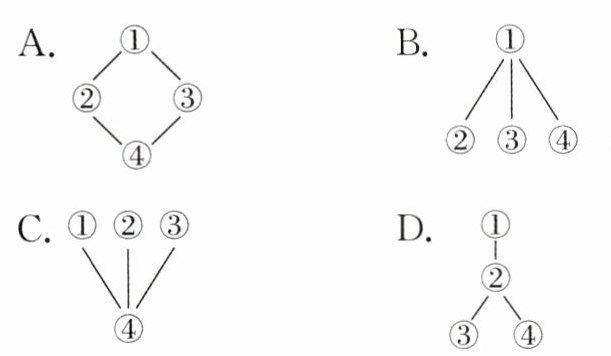
新趋势篇章结构35. Which of the following best shows the structure of this passage?
(① = Paragraph 1, ② = Paragraph 2, ...)
Zigong, in Sichuan Province, is home to Chinese lanterns. Zigong lanterns are known as the best lanterns in the world. The Zigong Lantern Festival dates back to the Tang dynasty. The festival has quickly developed with traditional culture and modern technologies(科技). In 2008, the Zigong Lantern Festival was listed as a national intangible cultural heritage(国家非物质文化遗产), becoming a shining name card for Chinese culture to go out into the world.
“Making a huge lantern for a show requires 17 steps,” said Wan Songtao, an inheritor(传承人) of Zigong lantern - making. “Each step is finished by a team instead of a single maker,” Wan added. The sundial(日晷), a kind of lantern, made by Wan's team, for example, took about 80 makers over 50 days to complete the whole process. Unlike the lanterns in other places, Zigong lanterns use modern technologies such as AI, mechanical engineering(机械工程), and holography(全息摄影术). They are perfect combinations(结合) of lights, sounds and movements.
What's more, the theme of the lantern can be chosen in different ways. “Anything that can be designed on a lantern can make a wonderful show, and everyone is encouraged to turn their ideas into real works,” said Zhang Fanglai, a leading researcher at the Colourful Lantern Museum of China. And the rich themes of Zigong lanterns show the spirit of creativity and warmth from the bottom of the local people's heart.
The government encourages local people to learn lantern - making widely. Without doubt, at the heart of the Zigong Lantern Festival's success is the local tradition of pulling together. Zigong lanterns are getting more and more popular. Driven by the collective efforts of the whole city, they have reached over 80 countries. It's believed that Zigong lanterns will reach every corner of the world in the future.
跨学科历史31. Which of the following poets could probably enjoy Zigong lanterns?
A. Cao Cao.
B. Li Bai.
C. Tao Yuanming.
D. Cao Zhi.
32. What can we infer from Paragraph 2?
①Holography is a kind of traditional technology.
②It's hard for makers to complete a huge lantern for a show.
③Zigong lanterns are different from the lanterns in other places.
④The workers of Zigong lantern - making work together in a team.
A. ①②③
B. ①④
C. ②③④
D. ②③
语言能力归纳能力33. What's Paragraph 3 mainly about?
A. The rich themes of Zigong lanterns.
B. The long history of Zigong lanterns.
C. The excellent inheritors of Zigong lanterns.
D. The modern technologies of Zigong lanterns.
34. What does the underlined word “they” in Paragraph 4 refer to?
A. People in Zigong.
B. Zigong lanterns.
C. The makers of Zigong lanterns.
D. Many museums.
新趋势篇章结构35. Which of the following best shows the structure of this passage?
(① = Paragraph 1, ② = Paragraph 2, ...)
答案:
31~35 BCABA
B
[文章大意]本文是一篇说明文,主要介绍了四川自贡的盛大灯会以及自贡灯笼的发展。
31. B 细节理解题。根据“The Zigong Lantern Festival dates back to the Tang dynasty.”可知,自贡灯笼节追溯到唐朝,四个选项中只有李白是唐朝诗人,故选B。
32. C 推理判断题。根据“Making a huge lantern for a show requires 17 steps”可知,制作一个用于展览的巨型灯笼需要17个步骤,这并不容易。根据“The sundial, a kind of lantern, made by Wan's team, for example, took about 80 makers over 50 days to complete the whole process.”可知,自贡制作灯笼的工人们在一个团队里一起工作。根据“Unlike the lanterns in other places, Zigong lanterns use modern technologies such as AI, mechanical engineering, and holography.”可知,自贡的灯笼与其他地方的不同,故选C。
33. A 段落大意题。根据“What's more, the theme of the lantern can be chosen in different ways.”可知,第三段主要介绍了自贡灯笼的主题丰富,故选A。
34. B 代词指代题。根据“Zigong lanterns are getting more and more popular. Driven by the collective efforts of the whole city, they have reached over 80 countries.”可知,在整个城市的共同努力下,自贡灯笼已经到达了80多个国家,所以they指代“Zigong lanterns”,故选B。
35. A 篇章结构题。通读全文可知,第一段引出本文主题,第二段介绍了灯笼的制作步骤,第三段介绍了灯笼的主题,最后一段介绍了政府的大力支持以及人们对于自贡灯笼的前景展望,属于总——分——总的结构,故选A。
B
[文章大意]本文是一篇说明文,主要介绍了四川自贡的盛大灯会以及自贡灯笼的发展。
31. B 细节理解题。根据“The Zigong Lantern Festival dates back to the Tang dynasty.”可知,自贡灯笼节追溯到唐朝,四个选项中只有李白是唐朝诗人,故选B。
32. C 推理判断题。根据“Making a huge lantern for a show requires 17 steps”可知,制作一个用于展览的巨型灯笼需要17个步骤,这并不容易。根据“The sundial, a kind of lantern, made by Wan's team, for example, took about 80 makers over 50 days to complete the whole process.”可知,自贡制作灯笼的工人们在一个团队里一起工作。根据“Unlike the lanterns in other places, Zigong lanterns use modern technologies such as AI, mechanical engineering, and holography.”可知,自贡的灯笼与其他地方的不同,故选C。
33. A 段落大意题。根据“What's more, the theme of the lantern can be chosen in different ways.”可知,第三段主要介绍了自贡灯笼的主题丰富,故选A。
34. B 代词指代题。根据“Zigong lanterns are getting more and more popular. Driven by the collective efforts of the whole city, they have reached over 80 countries.”可知,在整个城市的共同努力下,自贡灯笼已经到达了80多个国家,所以they指代“Zigong lanterns”,故选B。
35. A 篇章结构题。通读全文可知,第一段引出本文主题,第二段介绍了灯笼的制作步骤,第三段介绍了灯笼的主题,最后一段介绍了政府的大力支持以及人们对于自贡灯笼的前景展望,属于总——分——总的结构,故选A。
查看更多完整答案,请扫码查看

