

 搜索
搜索
第126页
- 第1页
- 第2页
- 第3页
- 第4页
- 第5页
- 第6页
- 第7页
- 第8页
- 第9页
- 第10页
- 第11页
- 第12页
- 第13页
- 第14页
- 第15页
- 第16页
- 第17页
- 第18页
- 第19页
- 第20页
- 第21页
- 第22页
- 第23页
- 第24页
- 第25页
- 第26页
- 第27页
- 第28页
- 第29页
- 第30页
- 第31页
- 第32页
- 第33页
- 第34页
- 第35页
- 第36页
- 第37页
- 第38页
- 第39页
- 第40页
- 第41页
- 第42页
- 第43页
- 第44页
- 第45页
- 第46页
- 第47页
- 第48页
- 第49页
- 第50页
- 第51页
- 第52页
- 第53页
- 第54页
- 第55页
- 第56页
- 第57页
- 第58页
- 第59页
- 第60页
- 第61页
- 第62页
- 第63页
- 第64页
- 第65页
- 第66页
- 第67页
- 第68页
- 第69页
- 第70页
- 第71页
- 第72页
- 第73页
- 第74页
- 第75页
- 第76页
- 第77页
- 第78页
- 第79页
- 第80页
- 第81页
- 第82页
- 第83页
- 第84页
- 第85页
- 第86页
- 第87页
- 第88页
- 第89页
- 第90页
- 第91页
- 第92页
- 第93页
- 第94页
- 第95页
- 第96页
- 第97页
- 第98页
- 第99页
- 第100页
- 第101页
- 第102页
- 第103页
- 第104页
- 第105页
- 第106页
- 第107页
- 第108页
- 第109页
- 第110页
- 第111页
- 第112页
- 第113页
- 第114页
- 第115页
- 第116页
- 第117页
- 第118页
- 第119页
- 第120页
- 第121页
- 第122页
- 第123页
- 第124页
- 第125页
- 第126页
- 第127页
- 第128页
- 第129页
- 第130页
- 第131页
- 第132页
- 第133页
- 第134页
- 第135页
- 第136页
- 第137页
- 第138页
- 第139页
- 第140页
- 第141页
- 第142页
- 第143页
- 第144页
- 第145页
- 第146页
- 第147页
- 第148页
- 第149页
- 第150页
- 第151页
- 第152页
- 第153页
- 第154页
- 第155页
- 第156页
- 第157页
- 第158页
- 第159页
- 第160页
- 第161页
- 第162页
- 第163页
- 第164页
- 第165页
- 第166页
- 第167页
- 第168页
- 第169页
- 第170页
- 第171页
- 第172页
- 第173页
- 第174页
- 第175页
- 第176页
- 第177页
- 第178页
- 第179页
- 第180页
- 第181页
- 第182页
- 第183页
- 第184页
- 第185页
- 第186页
- 第187页
- 第188页
Ⅰ. 根据汉语、首字母提示或句意写出单词
1. I spent half an hour ________(解释)why I was late.
2. Mr Black will give a ________(公开的)speech in the City Park.
3. Yesterday he fell off his bike, and felt a terrible p________ in his arm.
4. The visitors are advised not to r________ going to sea in bad weather.
5. At his birthday party, he made a wish, and then blew out the ________ on the cake.
1. I spent half an hour ________(解释)why I was late.
2. Mr Black will give a ________(公开的)speech in the City Park.
3. Yesterday he fell off his bike, and felt a terrible p________ in his arm.
4. The visitors are advised not to r________ going to sea in bad weather.
5. At his birthday party, he made a wish, and then blew out the ________ on the cake.
答案:
I. 1. explaining 2. public 3. pain 4. risk 5. candles
Ⅱ. 用括号中所给单词的正确形式填空
1. Don't throw the rubbish everywhere. Look at the sign. It says “No ________(litter)”.
2. You will be ________(success)one day in your life if you work hard and focus on your dream.
3. Alice practised ________(skate)as hard as she could all year round.
4. Nowadays, many robots are ________(use)to work in dangerous situations.
5. ________(park)is always very expensive in the city centre.
1. Don't throw the rubbish everywhere. Look at the sign. It says “No ________(litter)”.
2. You will be ________(success)one day in your life if you work hard and focus on your dream.
3. Alice practised ________(skate)as hard as she could all year round.
4. Nowadays, many robots are ________(use)to work in dangerous situations.
5. ________(park)is always very expensive in the city centre.
答案:
II. 1. littering 2. successful 3. skating 4. used 5. Parking
1. —I play football for ________ every day. What about playing football together now?
—Sorry. I'm too busy with my homework. What about ________ next week?
A. some times;sometime
B. some time;sometime
C. sometime;sometimes
D. some time;sometimes
—Sorry. I'm too busy with my homework. What about ________ next week?
A. some times;sometime
B. some time;sometime
C. sometime;sometimes
D. some time;sometimes
答案:
B
2. —My parents always ________ me ________ playing computer games.
—They're right. Playing computer games is bad for your eyes.
A. make;into
B. throw;away
C. keep;from
D. stop;out
—They're right. Playing computer games is bad for your eyes.
A. make;into
B. throw;away
C. keep;from
D. stop;out
答案:
C
3. —Don't smoke here. Look at the sign!
—Oh, sorry. I ________ that.
A. don't notice
B. haven't noticed
C. won't notice
D. didn't notice
—Oh, sorry. I ________ that.
A. don't notice
B. haven't noticed
C. won't notice
D. didn't notice
答案:
D
新趋势 图示理解 4. What does this public sign want to tell us?
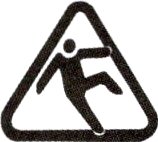
A. To be patient because of the wet floor.
B. To be careful because of the wet floor.
C. To skate slowly because of the wet floor.
D. To walk quickly because of the wet floor.
A. To be patient because of the wet floor.
B. To be careful because of the wet floor.
C. To skate slowly because of the wet floor.
D. To walk quickly because of the wet floor.
答案:
B
5. —You have joined so many clubs. I'm afraid you'll be too tired. Remember, ________.
—Thanks, Dad. I can look after myself very well.
A. practice makes perfect
B. the early bird catches the worm
C. you cannot burn the candle at both ends
D. it never rains but it pours
—Thanks, Dad. I can look after myself very well.
A. practice makes perfect
B. the early bird catches the worm
C. you cannot burn the candle at both ends
D. it never rains but it pours
答案:
C
6. Many clothes were sent to the people in the earthquake area ________ the big earthquake happened.
A. soon
B. soon after
C. sooner
D. later
A. soon
B. soon after
C. sooner
D. later
答案:
B
Ⅳ.(2023·泰州三模)阅读理解
逐题讲解 Have you ever heard an English idiom, understood every word used in it, but still been confused about what it means? Don't worry. Native(本土的)speakers experience this too. And there's a good reason for it:Idioms get their meanings from how they are used. Here are some of the strangest English idioms.
If someone tells you that something really “gets their goat(山羊)”, it doesn't mean that a farm animal has been stolen! Instead, it means that something really annoys them and they may be very unhappy. While it's not certain, some people believe this phrase comes from a horse racing tradition in which people would keep goats with horses before a race to keep them calm. So if their goats are taken away, their horses may get nervous. What will they think of it?
Another strange animal donkey's(驴的)phrase is “donkey's years”, used in British English to describe a very long time. This expression may come from a joke about the ears of a donkey, which are quite long. “Donkey's ears” was changed to “donkey's years” for talking about time.
Here comes the phrase “talk turkey”. An Indian and a white person went hunting together and a wild turkey and a crow were all the results that day. The white person made a decision and said in the usual style of making a bargain(讨价还价)with the Indian:“Now, you may have your choice:you take the crow, and I'll take the turkey;or, if you'd rather, I'll take the crow and you take the turkey.” The Indian knew that the white person wanted to take the turkey but he wanted to show that he was generous. So the Indian said, “You want the turkey, so you can take the turkey. Why not talk turkey to me a bit?” So “talk turkey” means “talk straightly”.
1. What does the writer advise us to do if we hear a strange idiom?
A. To ask a native speaker.
B. To guess them creatively.
C. To know how they are used.
D. To understand every word.
2. The underlined phrase “annoys them” in Paragraph 2 means “________”.
A. helps them win the race
B. makes them very angry
C. makes them very happy
D. calms them down
新趋势 创新设问 3. John, a British young man, tells you he has lived here for donkey's years. What does he mean?
A. He has lived a happy life for years.
B. He has lived a hard life for years.
C. He has been like a donkey for years.
D. He has lived here for a long time.
4. According to the last paragraph, the white person wanted ________.
A. either the turkey or the crow
B. both the turkey and the crow
C. the turkey better than the crow
D. neither the turkey nor the crow
5. The passage is mainly about English idioms which get their meanings from ________.
A. the stories behind them
B. native speakers' ideas
C. native English dictionaries
D. the words they include
逐题讲解 Have you ever heard an English idiom, understood every word used in it, but still been confused about what it means? Don't worry. Native(本土的)speakers experience this too. And there's a good reason for it:Idioms get their meanings from how they are used. Here are some of the strangest English idioms.
If someone tells you that something really “gets their goat(山羊)”, it doesn't mean that a farm animal has been stolen! Instead, it means that something really annoys them and they may be very unhappy. While it's not certain, some people believe this phrase comes from a horse racing tradition in which people would keep goats with horses before a race to keep them calm. So if their goats are taken away, their horses may get nervous. What will they think of it?
Another strange animal donkey's(驴的)phrase is “donkey's years”, used in British English to describe a very long time. This expression may come from a joke about the ears of a donkey, which are quite long. “Donkey's ears” was changed to “donkey's years” for talking about time.
Here comes the phrase “talk turkey”. An Indian and a white person went hunting together and a wild turkey and a crow were all the results that day. The white person made a decision and said in the usual style of making a bargain(讨价还价)with the Indian:“Now, you may have your choice:you take the crow, and I'll take the turkey;or, if you'd rather, I'll take the crow and you take the turkey.” The Indian knew that the white person wanted to take the turkey but he wanted to show that he was generous. So the Indian said, “You want the turkey, so you can take the turkey. Why not talk turkey to me a bit?” So “talk turkey” means “talk straightly”.
1. What does the writer advise us to do if we hear a strange idiom?
A. To ask a native speaker.
B. To guess them creatively.
C. To know how they are used.
D. To understand every word.
2. The underlined phrase “annoys them” in Paragraph 2 means “________”.
A. helps them win the race
B. makes them very angry
C. makes them very happy
D. calms them down
新趋势 创新设问 3. John, a British young man, tells you he has lived here for donkey's years. What does he mean?
A. He has lived a happy life for years.
B. He has lived a hard life for years.
C. He has been like a donkey for years.
D. He has lived here for a long time.
4. According to the last paragraph, the white person wanted ________.
A. either the turkey or the crow
B. both the turkey and the crow
C. the turkey better than the crow
D. neither the turkey nor the crow
5. The passage is mainly about English idioms which get their meanings from ________.
A. the stories behind them
B. native speakers' ideas
C. native English dictionaries
D. the words they include
答案:
IV. 1~5 CBDCA
[文章大意]本文是一篇说明文。文章介绍了一些奇怪的英语习语的来源和使用情景。
1. C 推理判断题。根据“And there's a good reason for it: Idioms get their meanings from how they are used.”可知英语中一些习语难以理解的原因是:这些习语的含义取决于它们的用法,由此推断当我们听到一个奇怪的习语,作者建议我们去了解它是如何使用的,故选C。
2. B 词义猜测题。根据“and they may be very unhappy”可猜测其与unhappy“不高兴的”意义相似。故选B。
3. D 细节理解题。根据“Another strange animal donkey's phrase is ‘donkey's years’, used in British English to describe a very long time.”可知在英语中“donkey's years”用来描述一段非常长的时间,故选D。
4. C 细节理解题。根据“The Indian knew that the white person wanted to take the turkey”可知与乌鸦相比,白人更想要火鸡,故选C。
5. A 主旨大意题。根据文章内容可知本文主要介绍了英语中一些习语的意思主要来自它们背后的故事,故选A。
[文章大意]本文是一篇说明文。文章介绍了一些奇怪的英语习语的来源和使用情景。
1. C 推理判断题。根据“And there's a good reason for it: Idioms get their meanings from how they are used.”可知英语中一些习语难以理解的原因是:这些习语的含义取决于它们的用法,由此推断当我们听到一个奇怪的习语,作者建议我们去了解它是如何使用的,故选C。
2. B 词义猜测题。根据“and they may be very unhappy”可猜测其与unhappy“不高兴的”意义相似。故选B。
3. D 细节理解题。根据“Another strange animal donkey's phrase is ‘donkey's years’, used in British English to describe a very long time.”可知在英语中“donkey's years”用来描述一段非常长的时间,故选D。
4. C 细节理解题。根据“The Indian knew that the white person wanted to take the turkey”可知与乌鸦相比,白人更想要火鸡,故选C。
5. A 主旨大意题。根据文章内容可知本文主要介绍了英语中一些习语的意思主要来自它们背后的故事,故选A。
查看更多完整答案,请扫码查看

