

 搜索
搜索
第114页
- 第1页
- 第2页
- 第3页
- 第4页
- 第5页
- 第6页
- 第7页
- 第8页
- 第9页
- 第10页
- 第11页
- 第12页
- 第13页
- 第14页
- 第15页
- 第16页
- 第17页
- 第18页
- 第19页
- 第20页
- 第21页
- 第22页
- 第23页
- 第24页
- 第25页
- 第26页
- 第27页
- 第28页
- 第29页
- 第30页
- 第31页
- 第32页
- 第33页
- 第34页
- 第35页
- 第36页
- 第37页
- 第38页
- 第39页
- 第40页
- 第41页
- 第42页
- 第43页
- 第44页
- 第45页
- 第46页
- 第47页
- 第48页
- 第49页
- 第50页
- 第51页
- 第52页
- 第53页
- 第54页
- 第55页
- 第56页
- 第57页
- 第58页
- 第59页
- 第60页
- 第61页
- 第62页
- 第63页
- 第64页
- 第65页
- 第66页
- 第67页
- 第68页
- 第69页
- 第70页
- 第71页
- 第72页
- 第73页
- 第74页
- 第75页
- 第76页
- 第77页
- 第78页
- 第79页
- 第80页
- 第81页
- 第82页
- 第83页
- 第84页
- 第85页
- 第86页
- 第87页
- 第88页
- 第89页
- 第90页
- 第91页
- 第92页
- 第93页
- 第94页
- 第95页
- 第96页
- 第97页
- 第98页
- 第99页
- 第100页
- 第101页
- 第102页
- 第103页
- 第104页
- 第105页
- 第106页
- 第107页
- 第108页
- 第109页
- 第110页
- 第111页
- 第112页
- 第113页
- 第114页
- 第115页
- 第116页
- 第117页
- 第118页
- 第119页
- 第120页
- 第121页
- 第122页
- 第123页
- 第124页
- 第125页
- 第126页
- 第127页
- 第128页
- 第129页
- 第130页
- 第131页
- 第132页
- 第133页
- 第134页
- 第135页
- 第136页
- 第137页
- 第138页
- 第139页
- 第140页
- 第141页
- 第142页
- 第143页
- 第144页
- 第145页
- 第146页
- 第147页
- 第148页
- 第149页
- 第150页
- 第151页
- 第152页
- 第153页
- 第154页
- 第155页
- 第156页
- 第157页
- 第158页
- 第159页
- 第160页
- 第161页
- 第162页
- 第163页
- 第164页
- 第165页
- 第166页
- 第167页
- 第168页
- 第169页
- 第170页
- 第171页
- 第172页
- 第173页
- 第174页
- 第175页
- 第176页
- 第177页
- 第178页
- 第179页
- 第180页
- 第181页
- 第182页
- 第183页
- 第184页
- 第185页
- 第186页
- 第187页
- 第188页
- 第189页
- 第190页
- 第191页
- 第192页
- 第193页
- 第194页
Ⅲ. 阅读理解(每小题 2 分,共 16 分)
A
When we're stressed out, many of us turn to junk food for comfort. But a new study says this might not be a positive idea. The study found that eating a lot of fatty foods can change animals' brains in ways that make their anxiety worse.
The person who is responsible for the study, Christopher Lowry, says that we knew junk food could make us put on weight, but we didn't know it could also make us feel more nervous.
In an earlier study, they found the large mice that ate a lot of fat had more signs of brain inflammation(炎症) and acted more nervously. To better understand how a high-fat diet might be connected to anxiety, the researchers put some mice into two groups. Half got a standard diet of about 11% fat for nine weeks, and the others got a high-fat diet of 45% fat. They looked at the mice's gut(肠) health and then gave the mice tests to see how they behaved.
When compared to the control group, the group eating a high-fat diet, not surprisingly, were heavier. They also had fewer types of beneficial bacteria(细菌) in their guts. And they had more of certain things in their brains, which have something to do with stress and anxiety.
▲ Fats from food like fish can be good for our brains. But his research in animals suggests that too much fat, especially at a young age, might make the brain more likely to suffer from anxiety now and later in life.
1. What can we learn about the study?
A. The study lasted for less than two months.
B. The subjects were large adult mice.
C. Researchers tested the mice's behaviour.
D. One third of the mice got a standard diet of 11% fat.
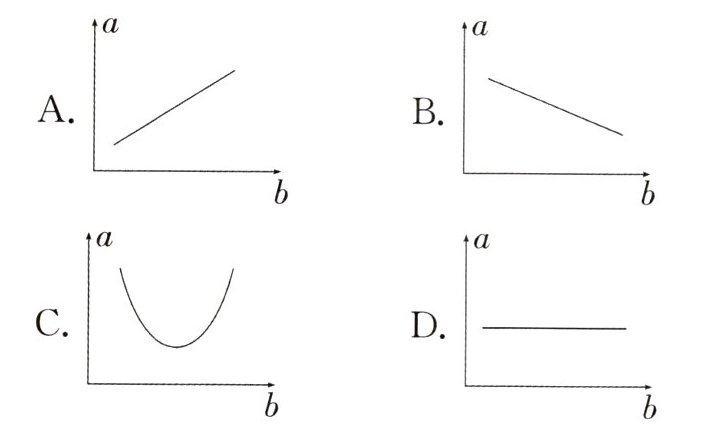
2. 跨学科 数学 Which might be the relationship between the weight of a mouse(a) and how much fat it took in (b)?
A.
B.
C.
D.
3. 新考法 补全文章 Which of the following can be put in “▲” in the last paragraph?
A. Lowry stresses that not all fats are bad.
B. Lowry explains that some fats can actually reduce anxiety.
C. Lowry notes that a diet with a lot of fats can cause problems for the brain.
D. Lowry believes that a balanced diet is key to avoiding anxiety.
4. What does the writer want to tell us?
A. Eating junk food makes us fat.
B. Eating healthy fats can prevent anxiety.
C. All fats are harmful to our brains.
D. Eating high-fat foods may increase anxiety levels.
A
When we're stressed out, many of us turn to junk food for comfort. But a new study says this might not be a positive idea. The study found that eating a lot of fatty foods can change animals' brains in ways that make their anxiety worse.
The person who is responsible for the study, Christopher Lowry, says that we knew junk food could make us put on weight, but we didn't know it could also make us feel more nervous.
In an earlier study, they found the large mice that ate a lot of fat had more signs of brain inflammation(炎症) and acted more nervously. To better understand how a high-fat diet might be connected to anxiety, the researchers put some mice into two groups. Half got a standard diet of about 11% fat for nine weeks, and the others got a high-fat diet of 45% fat. They looked at the mice's gut(肠) health and then gave the mice tests to see how they behaved.
When compared to the control group, the group eating a high-fat diet, not surprisingly, were heavier. They also had fewer types of beneficial bacteria(细菌) in their guts. And they had more of certain things in their brains, which have something to do with stress and anxiety.
▲ Fats from food like fish can be good for our brains. But his research in animals suggests that too much fat, especially at a young age, might make the brain more likely to suffer from anxiety now and later in life.
1. What can we learn about the study?
A. The study lasted for less than two months.
B. The subjects were large adult mice.
C. Researchers tested the mice's behaviour.
D. One third of the mice got a standard diet of 11% fat.
2. 跨学科 数学 Which might be the relationship between the weight of a mouse(a) and how much fat it took in (b)?
A.
B.
C.
D.
3. 新考法 补全文章 Which of the following can be put in “▲” in the last paragraph?
A. Lowry stresses that not all fats are bad.
B. Lowry explains that some fats can actually reduce anxiety.
C. Lowry notes that a diet with a lot of fats can cause problems for the brain.
D. Lowry believes that a balanced diet is key to avoiding anxiety.
4. What does the writer want to tell us?
A. Eating junk food makes us fat.
B. Eating healthy fats can prevent anxiety.
C. All fats are harmful to our brains.
D. Eating high-fat foods may increase anxiety levels.
答案:
1 - 4 CAAD
【语篇解读】本文是一篇说明文,讲述了高脂肪饮食可能会通过改变大脑结构,增加焦虑感,并指出并非所有脂肪都对大脑有害,但过量脂肪,尤其是在年轻时摄入,可能增加焦虑的风险。
1. C 细节理解题。根据“They looked at the mice's gut health and then gave the mice tests to see how they behaved.”可知,研究人员测试了老鼠的行为。故选 C。
2. A 图示理解题。根据“When compared to the control group, the group eating a high - fat diet, not surprisingly, were heavier.”可知,摄入脂肪越多,老鼠体重越重,两者呈正相关。故选 A。
3. A 推理判断题。根据“Fats from food like fish can be good for our brains. But his research in animals suggests that too much fat, especially at a young age, might make the brain more likely to suffer from anxiety now and later in life.”可知,像鱼肉等食物中的脂肪对大脑有益,但过多脂肪不好,所以这里是说并非所有脂肪都不好。故选 A。
4. D 主旨大意题。根据“The study found that eating a lot of fatty foods can change animals' brains in ways that make their anxiety worse.”以及全文内容可知,文章主要讲述了吃高脂肪食物可能会增加焦虑感。故选 D。
【语篇解读】本文是一篇说明文,讲述了高脂肪饮食可能会通过改变大脑结构,增加焦虑感,并指出并非所有脂肪都对大脑有害,但过量脂肪,尤其是在年轻时摄入,可能增加焦虑的风险。
1. C 细节理解题。根据“They looked at the mice's gut health and then gave the mice tests to see how they behaved.”可知,研究人员测试了老鼠的行为。故选 C。
2. A 图示理解题。根据“When compared to the control group, the group eating a high - fat diet, not surprisingly, were heavier.”可知,摄入脂肪越多,老鼠体重越重,两者呈正相关。故选 A。
3. A 推理判断题。根据“Fats from food like fish can be good for our brains. But his research in animals suggests that too much fat, especially at a young age, might make the brain more likely to suffer from anxiety now and later in life.”可知,像鱼肉等食物中的脂肪对大脑有益,但过多脂肪不好,所以这里是说并非所有脂肪都不好。故选 A。
4. D 主旨大意题。根据“The study found that eating a lot of fatty foods can change animals' brains in ways that make their anxiety worse.”以及全文内容可知,文章主要讲述了吃高脂肪食物可能会增加焦虑感。故选 D。
查看更多完整答案,请扫码查看

