

 搜索
搜索
第171页
- 第1页
- 第2页
- 第3页
- 第4页
- 第5页
- 第6页
- 第7页
- 第8页
- 第9页
- 第10页
- 第11页
- 第12页
- 第13页
- 第14页
- 第15页
- 第16页
- 第17页
- 第18页
- 第19页
- 第20页
- 第21页
- 第22页
- 第23页
- 第24页
- 第25页
- 第26页
- 第27页
- 第28页
- 第29页
- 第30页
- 第31页
- 第32页
- 第33页
- 第34页
- 第35页
- 第36页
- 第37页
- 第38页
- 第39页
- 第40页
- 第41页
- 第42页
- 第43页
- 第44页
- 第45页
- 第46页
- 第47页
- 第48页
- 第49页
- 第50页
- 第51页
- 第52页
- 第53页
- 第54页
- 第55页
- 第56页
- 第57页
- 第58页
- 第59页
- 第60页
- 第61页
- 第62页
- 第63页
- 第64页
- 第65页
- 第66页
- 第67页
- 第68页
- 第69页
- 第70页
- 第71页
- 第72页
- 第73页
- 第74页
- 第75页
- 第76页
- 第77页
- 第78页
- 第79页
- 第80页
- 第81页
- 第82页
- 第83页
- 第84页
- 第85页
- 第86页
- 第87页
- 第88页
- 第89页
- 第90页
- 第91页
- 第92页
- 第93页
- 第94页
- 第95页
- 第96页
- 第97页
- 第98页
- 第99页
- 第100页
- 第101页
- 第102页
- 第103页
- 第104页
- 第105页
- 第106页
- 第107页
- 第108页
- 第109页
- 第110页
- 第111页
- 第112页
- 第113页
- 第114页
- 第115页
- 第116页
- 第117页
- 第118页
- 第119页
- 第120页
- 第121页
- 第122页
- 第123页
- 第124页
- 第125页
- 第126页
- 第127页
- 第128页
- 第129页
- 第130页
- 第131页
- 第132页
- 第133页
- 第134页
- 第135页
- 第136页
- 第137页
- 第138页
- 第139页
- 第140页
- 第141页
- 第142页
- 第143页
- 第144页
- 第145页
- 第146页
- 第147页
- 第148页
- 第149页
- 第150页
- 第151页
- 第152页
- 第153页
- 第154页
- 第155页
- 第156页
- 第157页
- 第158页
- 第159页
- 第160页
- 第161页
- 第162页
- 第163页
- 第164页
- 第165页
- 第166页
- 第167页
- 第168页
- 第169页
- 第170页
- 第171页
- 第172页
- 第173页
- 第174页
- 第175页
- 第176页
- 第177页
- 第178页
- 第179页
- 第180页
- 第181页
- 第182页
- 第183页
- 第184页
- 第185页
- 第186页
- 第187页
- 第188页
- 第189页
- 第190页
- 第191页
- 第192页
- 第193页
- 第194页
B
新素材 历史最热年份 (2025·东莞一模)Data shows that 2024 was the hottest year since 1961. The average temperature in the country reached 10.92℃ last year which is 1.03℃ higher than the usual average, according to official records.
Global warming is the main reason for China's higher-than-normal temperatures. It has caused rising sea levels, melting glaciers, and more extreme weather, including longer heat waves and fewer cold days. The El Niño phenomenon—the warming of water in the Pacific Ocean—also adds to rising temperatures. During the later stages of an El Niño event, global temperatures usually rise, making global warming worse and causing more extreme weather.
A 1℃ rise in temperature has a strong influence on nature. Sea levels may rise by 2.3 metres over time, threatening coastal areas. Warmer temperatures also harm wild crops and bring more pests. Some animals and plants may die out because they cannot adapt quickly enough. Studies suggest that a 1.58℃ rise could lead to the loss of over 10% of species.
Higher temperatures may temporarily increase crop production in some places, which leads to an increase in global crop production. However, in the long term, farming as a whole will face bigger changes and possible decreases because of uneven rainfall and heat. Water shortages caused by less rain could get worse, possibly affecting up to 1.7 billion people. Illnesses related to heat, like heatstroke and heat exhaustion, are becoming more common. Longer heat waves lead to higher death rates, showing the need for better healthcare and measures to prevent harm.
The year 2025 seems to continue with higher-than-normal temperatures. On New Year's Day, temperatures in areas south of the Yangtze River were over 15℃, far from the cold usually expected in winter.
To deal with these problems, experts suggest developing technology to track and predict extreme weather, like heat waves, to reduce risks and improve preparedness.
6. How does the writer introduce the topic?
A. By sharing experts' opinions.
B. By presenting official data.
C. By comparing the data.
D. By telling a personal story.
7. What is Paragraph 2 mainly about?
A. Why the sea levels rise.
B. What extreme weather is.
C. What is the El Niño phenomenon.
D. Why China's temperature is higher than usual.
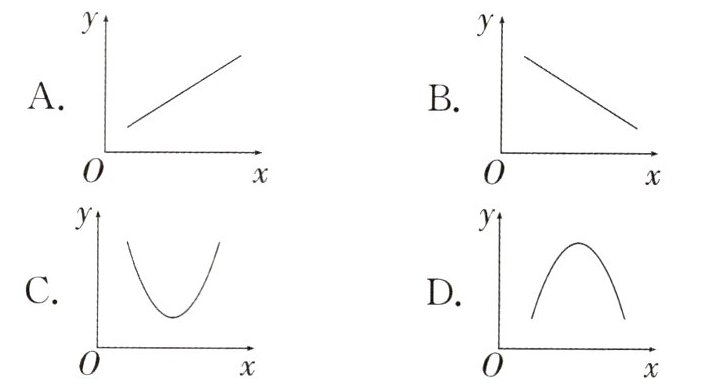
8. 跨学科 数学 Which might be the relationship between the global crop production (y) and the time (x)?
A.
B.
C.
D.
9. Which of the following statements is right?
A. People may feel very cold in the winter of 2025 by Yangtze River.
B. A 1℃ decrease in temperature may make the sea level go up to 2.3 metres.
C. The temperature rise influences human beings both directly and indirectly.
D. The temperature rise provides pests with a good environment to increase in number.
10. What can we infer from the last paragraph?
A. China will experience a colder-than-usual winter in 2025.
B. We have taken quite a few measures to handle global warming.
C. The key to solving the temperature rise is to stop global warming.
D. High-tech products are important in dealing with temperature rise.
新素材 历史最热年份 (2025·东莞一模)Data shows that 2024 was the hottest year since 1961. The average temperature in the country reached 10.92℃ last year which is 1.03℃ higher than the usual average, according to official records.
Global warming is the main reason for China's higher-than-normal temperatures. It has caused rising sea levels, melting glaciers, and more extreme weather, including longer heat waves and fewer cold days. The El Niño phenomenon—the warming of water in the Pacific Ocean—also adds to rising temperatures. During the later stages of an El Niño event, global temperatures usually rise, making global warming worse and causing more extreme weather.
A 1℃ rise in temperature has a strong influence on nature. Sea levels may rise by 2.3 metres over time, threatening coastal areas. Warmer temperatures also harm wild crops and bring more pests. Some animals and plants may die out because they cannot adapt quickly enough. Studies suggest that a 1.58℃ rise could lead to the loss of over 10% of species.
Higher temperatures may temporarily increase crop production in some places, which leads to an increase in global crop production. However, in the long term, farming as a whole will face bigger changes and possible decreases because of uneven rainfall and heat. Water shortages caused by less rain could get worse, possibly affecting up to 1.7 billion people. Illnesses related to heat, like heatstroke and heat exhaustion, are becoming more common. Longer heat waves lead to higher death rates, showing the need for better healthcare and measures to prevent harm.
The year 2025 seems to continue with higher-than-normal temperatures. On New Year's Day, temperatures in areas south of the Yangtze River were over 15℃, far from the cold usually expected in winter.
To deal with these problems, experts suggest developing technology to track and predict extreme weather, like heat waves, to reduce risks and improve preparedness.
6. How does the writer introduce the topic?
A. By sharing experts' opinions.
B. By presenting official data.
C. By comparing the data.
D. By telling a personal story.
7. What is Paragraph 2 mainly about?
A. Why the sea levels rise.
B. What extreme weather is.
C. What is the El Niño phenomenon.
D. Why China's temperature is higher than usual.
8. 跨学科 数学 Which might be the relationship between the global crop production (y) and the time (x)?
A.
B.
C.
D.
9. Which of the following statements is right?
A. People may feel very cold in the winter of 2025 by Yangtze River.
B. A 1℃ decrease in temperature may make the sea level go up to 2.3 metres.
C. The temperature rise influences human beings both directly and indirectly.
D. The temperature rise provides pests with a good environment to increase in number.
10. What can we infer from the last paragraph?
A. China will experience a colder-than-usual winter in 2025.
B. We have taken quite a few measures to handle global warming.
C. The key to solving the temperature rise is to stop global warming.
D. High-tech products are important in dealing with temperature rise.
答案:
6 - 10 BDDCD
B
【语篇解读】本文通过官方数据引入 2024 年成为 1961 年以来最热年份的现象,分析全球变暖和厄尔尼诺现象对气温升高的影响,并探讨温度上升对自然生态、农业、人类健康的连锁反应,最后提出利用技术手段应对极端天气的建议。
6. B 写作手法题。根据第一段“Data shows that 2024 was the hottest year since 1961. The average temperature... 10.92℃ last year, which is 1.03℃... according to official records.”可知,作者通过呈现官方数据引入话题。故选 B。
7. D 段落大意题。第二段首句“Global warming is the main reason...”点明主题,后文补充厄尔尼诺现象的加剧作用,整体说明中国气温异常升高的原因。故选 D。
8. D 图示理解题。根据“... which leads to an increase in global crop production. However, in the long term, farming as a whole will face bigger changes and possible decreases...”可知短期内全球作物产量可能会上升,但是长期来看,产量会下降。说明随着时间推移,全球作物产量先上升后下降。故选 D。
9. C 判断正误题。文中列举了直接影响(如热射病、死亡率上升)和间接影响(如农作物减产、水资源短缺、物种灭绝等),全面覆盖了气温上升对人类的多重影响。故选 C。
10. D 推理判断题。末段提到“developing technology to track and predict extreme weather”,表明技术手段在应对问题中的重要性。D 项“高科技产品在应对气温上升中非常重要”与此契合。故选 D。
B
【语篇解读】本文通过官方数据引入 2024 年成为 1961 年以来最热年份的现象,分析全球变暖和厄尔尼诺现象对气温升高的影响,并探讨温度上升对自然生态、农业、人类健康的连锁反应,最后提出利用技术手段应对极端天气的建议。
6. B 写作手法题。根据第一段“Data shows that 2024 was the hottest year since 1961. The average temperature... 10.92℃ last year, which is 1.03℃... according to official records.”可知,作者通过呈现官方数据引入话题。故选 B。
7. D 段落大意题。第二段首句“Global warming is the main reason...”点明主题,后文补充厄尔尼诺现象的加剧作用,整体说明中国气温异常升高的原因。故选 D。
8. D 图示理解题。根据“... which leads to an increase in global crop production. However, in the long term, farming as a whole will face bigger changes and possible decreases...”可知短期内全球作物产量可能会上升,但是长期来看,产量会下降。说明随着时间推移,全球作物产量先上升后下降。故选 D。
9. C 判断正误题。文中列举了直接影响(如热射病、死亡率上升)和间接影响(如农作物减产、水资源短缺、物种灭绝等),全面覆盖了气温上升对人类的多重影响。故选 C。
10. D 推理判断题。末段提到“developing technology to track and predict extreme weather”,表明技术手段在应对问题中的重要性。D 项“高科技产品在应对气温上升中非常重要”与此契合。故选 D。
查看更多完整答案,请扫码查看

