

 搜索
搜索
第130页
- 第1页
- 第2页
- 第3页
- 第4页
- 第5页
- 第6页
- 第7页
- 第8页
- 第9页
- 第10页
- 第11页
- 第12页
- 第13页
- 第14页
- 第15页
- 第16页
- 第17页
- 第18页
- 第19页
- 第20页
- 第21页
- 第22页
- 第23页
- 第24页
- 第25页
- 第26页
- 第27页
- 第28页
- 第29页
- 第30页
- 第31页
- 第32页
- 第33页
- 第34页
- 第35页
- 第36页
- 第37页
- 第38页
- 第39页
- 第40页
- 第41页
- 第42页
- 第43页
- 第44页
- 第45页
- 第46页
- 第47页
- 第48页
- 第49页
- 第50页
- 第51页
- 第52页
- 第53页
- 第54页
- 第55页
- 第56页
- 第57页
- 第58页
- 第59页
- 第60页
- 第61页
- 第62页
- 第63页
- 第64页
- 第65页
- 第66页
- 第67页
- 第68页
- 第69页
- 第70页
- 第71页
- 第72页
- 第73页
- 第74页
- 第75页
- 第76页
- 第77页
- 第78页
- 第79页
- 第80页
- 第81页
- 第82页
- 第83页
- 第84页
- 第85页
- 第86页
- 第87页
- 第88页
- 第89页
- 第90页
- 第91页
- 第92页
- 第93页
- 第94页
- 第95页
- 第96页
- 第97页
- 第98页
- 第99页
- 第100页
- 第101页
- 第102页
- 第103页
- 第104页
- 第105页
- 第106页
- 第107页
- 第108页
- 第109页
- 第110页
- 第111页
- 第112页
- 第113页
- 第114页
- 第115页
- 第116页
- 第117页
- 第118页
- 第119页
- 第120页
- 第121页
- 第122页
- 第123页
- 第124页
- 第125页
- 第126页
- 第127页
- 第128页
- 第129页
- 第130页
- 第131页
- 第132页
- 第133页
- 第134页
- 第135页
- 第136页
- 第137页
- 第138页
- 第139页
- 第140页
- 第141页
- 第142页
- 第143页
- 第144页
- 第145页
- 第146页
- 第147页
- 第148页
- 第149页
- 第150页
- 第151页
- 第152页
- 第153页
- 第154页
- 第155页
- 第156页
- 第157页
- 第158页
- 第159页
- 第160页
- 第161页
- 第162页
- 第163页
- 第164页
- 第165页
- 第166页
- 第167页
- 第168页
- 第169页
- 第170页
- 第171页
- 第172页
- 第173页
- 第174页
- 第175页
- 第176页
- 第177页
- 第178页
- 第179页
- 第180页
- 第181页
- 第182页
- 第183页
- 第184页
- 第185页
- 第186页
- 第187页
- 第188页
- 第189页
- 第190页
- 第191页
- 第192页
- 第193页
- 第194页
Ⅳ. 句子翻译
1. 砍伐这棵老树是违法的。
Cutting down the old tree is ______.
2. 鲸可以活到 90 岁。
Whales can ______.
3. 过去,人们把土地占为己用。
People ______ in the past.
4. 有些特殊种类的野生动物很难生育。
It's difficult ______.
5. 政府必须阻止人们伤害动物。
The government must ______.
6. 我写信来请求你的帮助。
______
1. 砍伐这棵老树是违法的。
Cutting down the old tree is ______.
2. 鲸可以活到 90 岁。
Whales can ______.
3. 过去,人们把土地占为己用。
People ______ in the past.
4. 有些特殊种类的野生动物很难生育。
It's difficult ______.
5. 政府必须阻止人们伤害动物。
The government must ______.
6. 我写信来请求你的帮助。
______
答案:
1. against the law 2. live up to 90 years old 3. took land for their own use 4. for some special kinds of wild animals to have babies 5. stop people from hurting animals 6. I'm writing to ask you for help/ask for your help.
Ⅴ. 阅读理解
Have you noticed that people speak differently to babies compared to adults? Carers, especially mothers, change their speech when talking to young children. How? Their speech includes higher pitches(音高)and a wider pitch range(范围). They use shorter sentences and repeat words more often. You can think of it as baby talk. Researchers have recently discovered that dolphins also use baby talk with their babies.
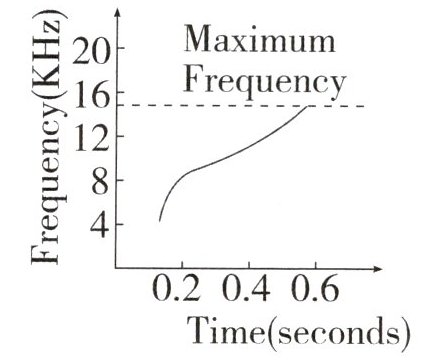
The research team recorded sounds of 19 mother dolphins living in the Sarasota Bay area. The sounds of the same female dolphins were compared when they were with and without their babies. Chart 1 shows the sound of a female dolphin without her baby. The researchers found that when dolphins were with their babies, dolphin mothers had a wider range of frequencies(频率)of the sound—the maximum(最高)frequencies were higher and the lowest frequencies were lower.
The findings mirror the way that humans change the speech when speaking to babies. Dolphin “baby talk” may have a similar purpose to human “baby talk”: it may help babies learn how to phonate. We humans don't only “baby talk” with little babies, but with the children who are still learning to speak. As a result, our children are able to talk. That's exactly what happens to dolphins. The changes in speech don't just happen when dolphin mothers stay with very young babies, but also between mothers and babies that are closer to “toddler(蹒跚学步的孩子)” age. Another possible reason for using specific pitches is to catch the children's attention. It's really important for a young dolphin to know “Oh, Mum is talking to me now.”
The research about baby talk in dolphins reminds us how important it is in humans. Whenever we speak with a young child, how we say things could be as important as what we say.
1. What's one of the features of baby talk according to the first paragraph?
A. Lower pitches.
B. Longer sentences.
C. A smaller pitch range.
D. More same words.
2. 新考法 图示理解 Which chart shows the sound that dolphin mothers make when with babies?

A.
B.
C.
D.
3. What does the underlined word “phonate” mean in Paragraph 3?
A. Produce the sound.
B. Understand baby talk.
C. Change the speech.
D. Catch people's attention.
4. 语言能力 推断能力 Why does the writer write this passage?
A. To help people understand the sounds made by dolphins.
B. To ask people to build a good relationship with dolphins.
C. To remind people to communicate with children more often.
D. To let people be careful with the way of talking with children.
Have you noticed that people speak differently to babies compared to adults? Carers, especially mothers, change their speech when talking to young children. How? Their speech includes higher pitches(音高)and a wider pitch range(范围). They use shorter sentences and repeat words more often. You can think of it as baby talk. Researchers have recently discovered that dolphins also use baby talk with their babies.
The research team recorded sounds of 19 mother dolphins living in the Sarasota Bay area. The sounds of the same female dolphins were compared when they were with and without their babies. Chart 1 shows the sound of a female dolphin without her baby. The researchers found that when dolphins were with their babies, dolphin mothers had a wider range of frequencies(频率)of the sound—the maximum(最高)frequencies were higher and the lowest frequencies were lower.
The findings mirror the way that humans change the speech when speaking to babies. Dolphin “baby talk” may have a similar purpose to human “baby talk”: it may help babies learn how to phonate. We humans don't only “baby talk” with little babies, but with the children who are still learning to speak. As a result, our children are able to talk. That's exactly what happens to dolphins. The changes in speech don't just happen when dolphin mothers stay with very young babies, but also between mothers and babies that are closer to “toddler(蹒跚学步的孩子)” age. Another possible reason for using specific pitches is to catch the children's attention. It's really important for a young dolphin to know “Oh, Mum is talking to me now.”
The research about baby talk in dolphins reminds us how important it is in humans. Whenever we speak with a young child, how we say things could be as important as what we say.
1. What's one of the features of baby talk according to the first paragraph?
A. Lower pitches.
B. Longer sentences.
C. A smaller pitch range.
D. More same words.
2. 新考法 图示理解 Which chart shows the sound that dolphin mothers make when with babies?
A.
B.
C.
D.
3. What does the underlined word “phonate” mean in Paragraph 3?
A. Produce the sound.
B. Understand baby talk.
C. Change the speech.
D. Catch people's attention.
4. 语言能力 推断能力 Why does the writer write this passage?
A. To help people understand the sounds made by dolphins.
B. To ask people to build a good relationship with dolphins.
C. To remind people to communicate with children more often.
D. To let people be careful with the way of talking with children.
答案:
1—4 DDAD
【语篇解读】本文是一篇说明文,介绍了一项研究发现,海豚妈妈在与宝宝交流时也会使用类似于人类的“儿语”方式,即调高音调、扩大音调范围,并且这种变化不仅出现在与幼小的宝宝交流时,也出现在与接近“学步”阶段的宝宝交流时。
1. D 细节理解题。根据“Their speech includes higher pitches and a wider pitch range. They use shorter sentences and repeat words more often.”可知,她们的语言包括更高的音高和更宽的音高范围。她们使用较短的句子,并且更频繁地重复词语。故选 D。
2. D 图示理解题。根据“dolphin mothers had a wider range of frequencies of the sound—the maximum frequencies were higher and the lowest frequencies were lower”可知,当海豚和幼崽在一起时,海豚妈妈发出的声音频率范围更广——最高频率更高,最低频率更低。结合文中图表 1,D 选项符合最高频率高于图表 1 的最高值,最低频率低于图表 1 中的最低值。故选 D。
3. A 词义猜测题。根据“but with the children who are still learning to speak. As a result, our children are able to talk”可知,我们人类会和还在学习说“儿语”话的孩子们说“儿语”是为了孩子能够说话。所以海豚的“儿语”也是为了帮助幼崽学习发声说话,因此“phonate”表示发声。故选 A。
4. D 写作意图题。文章的最后一段说到关于海豚的儿语的研究提醒我们该语言在人类中的重要性。每当我们和幼儿交谈时,我们如何说话可能和我们说什么一样重要。由此可知作者想让人们注意与孩子说话的方式。故选 D。
【语篇解读】本文是一篇说明文,介绍了一项研究发现,海豚妈妈在与宝宝交流时也会使用类似于人类的“儿语”方式,即调高音调、扩大音调范围,并且这种变化不仅出现在与幼小的宝宝交流时,也出现在与接近“学步”阶段的宝宝交流时。
1. D 细节理解题。根据“Their speech includes higher pitches and a wider pitch range. They use shorter sentences and repeat words more often.”可知,她们的语言包括更高的音高和更宽的音高范围。她们使用较短的句子,并且更频繁地重复词语。故选 D。
2. D 图示理解题。根据“dolphin mothers had a wider range of frequencies of the sound—the maximum frequencies were higher and the lowest frequencies were lower”可知,当海豚和幼崽在一起时,海豚妈妈发出的声音频率范围更广——最高频率更高,最低频率更低。结合文中图表 1,D 选项符合最高频率高于图表 1 的最高值,最低频率低于图表 1 中的最低值。故选 D。
3. A 词义猜测题。根据“but with the children who are still learning to speak. As a result, our children are able to talk”可知,我们人类会和还在学习说“儿语”话的孩子们说“儿语”是为了孩子能够说话。所以海豚的“儿语”也是为了帮助幼崽学习发声说话,因此“phonate”表示发声。故选 A。
4. D 写作意图题。文章的最后一段说到关于海豚的儿语的研究提醒我们该语言在人类中的重要性。每当我们和幼儿交谈时,我们如何说话可能和我们说什么一样重要。由此可知作者想让人们注意与孩子说话的方式。故选 D。
查看更多完整答案,请扫码查看

