

 搜索
搜索
第28页
- 第1页
- 第2页
- 第3页
- 第4页
- 第5页
- 第6页
- 第7页
- 第8页
- 第9页
- 第10页
- 第11页
- 第12页
- 第13页
- 第14页
- 第15页
- 第16页
- 第17页
- 第18页
- 第19页
- 第20页
- 第21页
- 第22页
- 第23页
- 第24页
- 第25页
- 第26页
- 第27页
- 第28页
- 第29页
- 第30页
- 第31页
- 第32页
- 第33页
- 第34页
- 第35页
- 第36页
- 第37页
- 第38页
- 第39页
- 第40页
- 第41页
- 第42页
- 第43页
- 第44页
- 第45页
- 第46页
- 第47页
- 第48页
- 第49页
- 第50页
- 第51页
- 第52页
- 第53页
- 第54页
- 第55页
- 第56页
- 第57页
- 第58页
- 第59页
- 第60页
- 第61页
- 第62页
- 第63页
- 第64页
- 第65页
- 第66页
- 第67页
- 第68页
- 第69页
- 第70页
- 第71页
- 第72页
- 第73页
- 第74页
- 第75页
- 第76页
- 第77页
- 第78页
- 第79页
- 第80页
- 第81页
- 第82页
- 第83页
- 第84页
- 第85页
- 第86页
- 第87页
- 第88页
- 第89页
- 第90页
- 第91页
- 第92页
- 第93页
- 第94页
- 第95页
- 第96页
- 第97页
- 第98页
- 第99页
- 第100页
- 第101页
- 第102页
- 第103页
- 第104页
- 第105页
- 第106页
- 第107页
- 第108页
- 第109页
- 第110页
- 第111页
- 第112页
- 第113页
- 第114页
- 第115页
- 第116页
- 第117页
- 第118页
- 第119页
- 第120页
- 第121页
- 第122页
- 第123页
- 第124页
- 第125页
- 第126页
- 第127页
- 第128页
- 第129页
- 第130页
- 第131页
- 第132页
- 第133页
- 第134页
- 第135页
- 第136页
- 第137页
- 第138页
- 第139页
- 第140页
- 第141页
- 第142页
- 第143页
- 第144页
- 第145页
- 第146页
- 第147页
- 第148页
- 第149页
- 第150页
- 第151页
- 第152页
- 第153页
- 第154页
- 第155页
- 第156页
- 第157页
- 第158页
- 第159页
- 第160页
- 第161页
- 第162页
- 第163页
- 第164页
- 第165页
- 第166页
- 第167页
- 第168页
- 第169页
- 第170页
- 第171页
- 第172页
- 第173页
- 第174页
- 第175页
- 第176页
- 第177页
- 第178页
- 第179页
- 第180页
- 第181页
- 第182页
- 第183页
- 第184页
- 第185页
- 第186页
- 第187页
- 第188页
- 第189页
- 第190页
- 第191页
- 第192页
- 第193页
- 第194页
Ⅶ. 首字母填空(每小题 1 分,共 10 分)
根据短文内容及首字母提示,在空格处填入一个适当的词使短文完整。
文化意识 文化理解 China’s two favourite poets Li Bai and Du Fu were born about 1,300 years ago. In China, the language has changed so l____1____ that poems remain easy for modern Chinese people to read. And their themes are still a____2____ friendship, love and landscapes.
If you were to ask any kid in the street, “What was the greatest dynasty in China’s history?” Nine out of ten of them would a____3____ the Tang. Every Chinese person learns poems by Li Bai and Du Fu from childhood. “They are as i____4____ in Chinese literary history as Shakespeare is to people in Britain,” says historian Yuan Haiwang, writer of This Is China: The First 5,000 Years.
“I remember when my son was only a baby held in my a____5____ , I began to teach him some of the poems, even though of course he couldn’t remember all of them. But that’s what the Chinese do.”
Back in the Tang Dynasty, Li Bai and Du Fu first m____6____ in the year 744, when Li Bai, already a well-known poet, was 43 years of age and Du Fu was 32. They admired each other and quickly became friends. The two poets m____7____ only a couple of times during their lives.
But they wrote many poems to and about each other. In one poem, Du Fu wrote: W____8____ can we again hold a cup of wine (酒), and chat about poem-writing line by line? (From Missing Li Bai on a Spring Day)
Li Bai and Du Fu formed a l____9____ friendship, which ties one heart to the other no matter how far away they are from each other.
Today most Chinese people could still remember Li Bai’s and Du Fu’s poems. And they also e____10____ their children to read their poems. Li Bai and Du Fu aren’t only in our textbooks but in our minds.
1. ______
2. ______
3. ______
4. ______
5. ______
6. ______
7. ______
8. ______
9. ______
10. ______
根据短文内容及首字母提示,在空格处填入一个适当的词使短文完整。
文化意识 文化理解 China’s two favourite poets Li Bai and Du Fu were born about 1,300 years ago. In China, the language has changed so l____1____ that poems remain easy for modern Chinese people to read. And their themes are still a____2____ friendship, love and landscapes.
If you were to ask any kid in the street, “What was the greatest dynasty in China’s history?” Nine out of ten of them would a____3____ the Tang. Every Chinese person learns poems by Li Bai and Du Fu from childhood. “They are as i____4____ in Chinese literary history as Shakespeare is to people in Britain,” says historian Yuan Haiwang, writer of This Is China: The First 5,000 Years.
“I remember when my son was only a baby held in my a____5____ , I began to teach him some of the poems, even though of course he couldn’t remember all of them. But that’s what the Chinese do.”
Back in the Tang Dynasty, Li Bai and Du Fu first m____6____ in the year 744, when Li Bai, already a well-known poet, was 43 years of age and Du Fu was 32. They admired each other and quickly became friends. The two poets m____7____ only a couple of times during their lives.
But they wrote many poems to and about each other. In one poem, Du Fu wrote: W____8____ can we again hold a cup of wine (酒), and chat about poem-writing line by line? (From Missing Li Bai on a Spring Day)
Li Bai and Du Fu formed a l____9____ friendship, which ties one heart to the other no matter how far away they are from each other.
Today most Chinese people could still remember Li Bai’s and Du Fu’s poems. And they also e____10____ their children to read their poems. Li Bai and Du Fu aren’t only in our textbooks but in our minds.
1. ______
2. ______
3. ______
4. ______
5. ______
6. ______
7. ______
8. ______
9. ______
10. ______
答案:
B
Ⅷ. 书面表达(共 15 分)
假如你是 Millie,今天收到一封来自外国笔友 Tony 的邮件。在邮件中他提及想结交更多的中国笔友,并请你帮他介绍一位新笔友。请你根据提示给 Tony 回一封邮件。要求:包含所有要点,100 词左右。
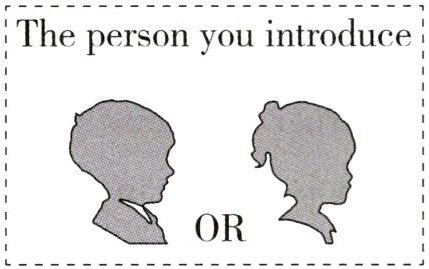
The person you introduce
What does he/she look like?
What is he/she like?
What does he/she want to be in the future?
Why do you introduce him/her?
Dear Tony,
I’m glad to introduce one of my good friends to you. ______
______
______
______
______
Best wishes!
Millie
假如你是 Millie,今天收到一封来自外国笔友 Tony 的邮件。在邮件中他提及想结交更多的中国笔友,并请你帮他介绍一位新笔友。请你根据提示给 Tony 回一封邮件。要求:包含所有要点,100 词左右。
The person you introduce
What does he/she look like?
What is he/she like?
What does he/she want to be in the future?
Why do you introduce him/her?
Dear Tony,
I’m glad to introduce one of my good friends to you. ______
______
______
______
______
Best wishes!
Millie
答案:
D
查看更多完整答案,请扫码查看

