

 搜索
搜索
第149页
- 第1页
- 第2页
- 第3页
- 第4页
- 第5页
- 第6页
- 第7页
- 第8页
- 第9页
- 第10页
- 第11页
- 第12页
- 第13页
- 第14页
- 第15页
- 第16页
- 第17页
- 第18页
- 第19页
- 第20页
- 第21页
- 第22页
- 第23页
- 第24页
- 第25页
- 第26页
- 第27页
- 第28页
- 第29页
- 第30页
- 第31页
- 第32页
- 第33页
- 第34页
- 第35页
- 第36页
- 第37页
- 第38页
- 第39页
- 第40页
- 第41页
- 第42页
- 第43页
- 第44页
- 第45页
- 第46页
- 第47页
- 第48页
- 第49页
- 第50页
- 第51页
- 第52页
- 第53页
- 第54页
- 第55页
- 第56页
- 第57页
- 第58页
- 第59页
- 第60页
- 第61页
- 第62页
- 第63页
- 第64页
- 第65页
- 第66页
- 第67页
- 第68页
- 第69页
- 第70页
- 第71页
- 第72页
- 第73页
- 第74页
- 第75页
- 第76页
- 第77页
- 第78页
- 第79页
- 第80页
- 第81页
- 第82页
- 第83页
- 第84页
- 第85页
- 第86页
- 第87页
- 第88页
- 第89页
- 第90页
- 第91页
- 第92页
- 第93页
- 第94页
- 第95页
- 第96页
- 第97页
- 第98页
- 第99页
- 第100页
- 第101页
- 第102页
- 第103页
- 第104页
- 第105页
- 第106页
- 第107页
- 第108页
- 第109页
- 第110页
- 第111页
- 第112页
- 第113页
- 第114页
- 第115页
- 第116页
- 第117页
- 第118页
- 第119页
- 第120页
- 第121页
- 第122页
- 第123页
- 第124页
- 第125页
- 第126页
- 第127页
- 第128页
- 第129页
- 第130页
- 第131页
- 第132页
- 第133页
- 第134页
- 第135页
- 第136页
- 第137页
- 第138页
- 第139页
- 第140页
- 第141页
- 第142页
- 第143页
- 第144页
- 第145页
- 第146页
- 第147页
- 第148页
- 第149页
- 第150页
- 第151页
- 第152页
- 第153页
- 第154页
- 第155页
- 第156页
- 第157页
- 第158页
- 第159页
- 第160页
- 第161页
- 第162页
- 第163页
- 第164页
- 第165页
- 第166页
- 第167页
- 第168页
- 第169页
- 第170页
- 第171页
- 第172页
- 第173页
- 第174页
- 第175页
- 第176页
- 第177页
- 第178页
- 第179页
- 第180页
- 第181页
- 第182页
- 第183页
- 第184页
- 第185页
- 第186页
- 第187页
- 第188页
- 第189页
- 第190页
- 第191页
- 第192页
- 第193页
- 第194页
Ⅴ.阅读与回答问题
根据短文内容,回答下列问题。(每题答案不超过 10 个词)
Can a cricket really tell you the temperature outside? Do fish know if it's going to be a cold winter? You've probably heard stories about animals that can predict the weather. Some of the sayings, like, “if a cat sits with its back to the fire, hard weather can be expected” may sound silly or unbelievable, but some are based on animals that seem to sense more about our environment than we do.
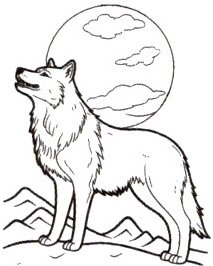
Do animals tell us when a storm is coming? Birds react to the drop in air pressure (气压) before a storm by flying low, and not flying at all an hour or so before the storm hits. Other animals behave strangely before a storm too. Insects stay close to the ground and wolves howl (嚎叫) because their ears can sense the pressure change.
Before a hurricane (飓风), sharks will run away from the path of the storm, although they hardly ever leave their home waters. Seabirds also know they should fly inland.
While not really “weather”, earthquakes are also something that animals can predict. You may have heard stories about animals and earthquakes: many are far more sensitive to earthquakes than humans. Unusual animal behaviour sometimes can tell us what is about to happen. After the 2005 tsunami (海啸) in Sri Lanka, it was reported that very few animals were killed. Many of them were also acting strangely the day before the tsunami hit. It seems that they knew something was coming and ran to safety. A good rule is, if the animals are running away, you probably should too.
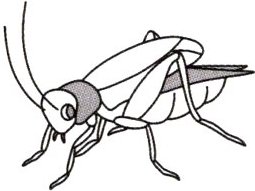
The sound of crickets chirping (鸣叫) can tell you summer is near, but do you know that it can also tell you how hot it is? Crickets are cold-blooded so when the temperature in the air changes, the cricket's body temperature changes with it. As the temperature rises, the cricket's metabolism (新陈代谢) increases. When the heat rises, crickets chirp. To get the exact temperature in degrees Fahrenheit (°F), count the number of chirps in 14 seconds, and add 40.
Do you have a tried and true weather animal that predicts the weather?
1. Why do wolves howl before a storm?
______
2. What will sharks do before a hurricane?
______
3. Besides weather, what can animals also predict?
______
4. Why does the cricket's body temperature change with the temperature in the air?
______
5. 新考法 开放性试题 Can you think of any other animal behaviours that might predict weather changes? Give one example.
______
根据短文内容,回答下列问题。(每题答案不超过 10 个词)
Can a cricket really tell you the temperature outside? Do fish know if it's going to be a cold winter? You've probably heard stories about animals that can predict the weather. Some of the sayings, like, “if a cat sits with its back to the fire, hard weather can be expected” may sound silly or unbelievable, but some are based on animals that seem to sense more about our environment than we do.
Do animals tell us when a storm is coming? Birds react to the drop in air pressure (气压) before a storm by flying low, and not flying at all an hour or so before the storm hits. Other animals behave strangely before a storm too. Insects stay close to the ground and wolves howl (嚎叫) because their ears can sense the pressure change.
Before a hurricane (飓风), sharks will run away from the path of the storm, although they hardly ever leave their home waters. Seabirds also know they should fly inland.
While not really “weather”, earthquakes are also something that animals can predict. You may have heard stories about animals and earthquakes: many are far more sensitive to earthquakes than humans. Unusual animal behaviour sometimes can tell us what is about to happen. After the 2005 tsunami (海啸) in Sri Lanka, it was reported that very few animals were killed. Many of them were also acting strangely the day before the tsunami hit. It seems that they knew something was coming and ran to safety. A good rule is, if the animals are running away, you probably should too.
The sound of crickets chirping (鸣叫) can tell you summer is near, but do you know that it can also tell you how hot it is? Crickets are cold-blooded so when the temperature in the air changes, the cricket's body temperature changes with it. As the temperature rises, the cricket's metabolism (新陈代谢) increases. When the heat rises, crickets chirp. To get the exact temperature in degrees Fahrenheit (°F), count the number of chirps in 14 seconds, and add 40.
Do you have a tried and true weather animal that predicts the weather?
1. Why do wolves howl before a storm?
______
2. What will sharks do before a hurricane?
______
3. Besides weather, what can animals also predict?
______
4. Why does the cricket's body temperature change with the temperature in the air?
______
5. 新考法 开放性试题 Can you think of any other animal behaviours that might predict weather changes? Give one example.
______
答案:
1. Because wolves' ears can sense the pressure change.
2. Sharks will run away from the path of the storm.
3. Earthquakes.
4. Because it is cold - blooded.
5. Ants building hills. / Cows lying down before rain. (给出一个合理的答案即可)
2. Sharks will run away from the path of the storm.
3. Earthquakes.
4. Because it is cold - blooded.
5. Ants building hills. / Cows lying down before rain. (给出一个合理的答案即可)
查看更多完整答案,请扫码查看

