

 搜索
搜索
第83页
- 第1页
- 第2页
- 第3页
- 第4页
- 第5页
- 第6页
- 第7页
- 第8页
- 第9页
- 第10页
- 第11页
- 第12页
- 第13页
- 第14页
- 第15页
- 第16页
- 第17页
- 第18页
- 第19页
- 第20页
- 第21页
- 第22页
- 第23页
- 第24页
- 第25页
- 第26页
- 第27页
- 第28页
- 第29页
- 第30页
- 第31页
- 第32页
- 第33页
- 第34页
- 第35页
- 第36页
- 第37页
- 第38页
- 第39页
- 第40页
- 第41页
- 第42页
- 第43页
- 第44页
- 第45页
- 第46页
- 第47页
- 第48页
- 第49页
- 第50页
- 第51页
- 第52页
- 第53页
- 第54页
- 第55页
- 第56页
- 第57页
- 第58页
- 第59页
- 第60页
- 第61页
- 第62页
- 第63页
- 第64页
- 第65页
- 第66页
- 第67页
- 第68页
- 第69页
- 第70页
- 第71页
- 第72页
- 第73页
- 第74页
- 第75页
- 第76页
- 第77页
- 第78页
- 第79页
- 第80页
- 第81页
- 第82页
- 第83页
- 第84页
- 第85页
- 第86页
- 第87页
- 第88页
- 第89页
- 第90页
- 第91页
- 第92页
- 第93页
- 第94页
- 第95页
- 第96页
- 第97页
- 第98页
- 第99页
- 第100页
- 第101页
- 第102页
- 第103页
- 第104页
- 第105页
- 第106页
- 第107页
- 第108页
- 第109页
- 第110页
- 第111页
- 第112页
- 第113页
- 第114页
- 第115页
- 第116页
- 第117页
- 第118页
- 第119页
- 第120页
- 第121页
- 第122页
- 第123页
- 第124页
- 第125页
- 第126页
- 第127页
- 第128页
- 第129页
- 第130页
- 第131页
- 第132页
- 第133页
- 第134页
- 第135页
- 第136页
- 第137页
- 第138页
- 第139页
- 第140页
- 第141页
- 第142页
- 第143页
- 第144页
- 第145页
- 第146页
- 第147页
- 第148页
- 第149页
- 第150页
- 第151页
- 第152页
- 第153页
- 第154页
- 第155页
- 第156页
- 第157页
- 第158页
- 第159页
- 第160页
- 第161页
- 第162页
- 第163页
- 第164页
- 第165页
- 第166页
- 第167页
- 第168页
- 第169页
- 第170页
- 第171页
- 第172页
- 第173页
- 第174页
- 第175页
- 第176页
- 第177页
- 第178页
- 第179页
- 第180页
- 第181页
- 第182页
- 第183页
- 第184页
- 第185页
- 第186页
- 第187页
- 第188页
- 第189页
- 第190页
- 第191页
- 第192页
- 第193页
- 第194页
Passage 3(2021广州,B改编)
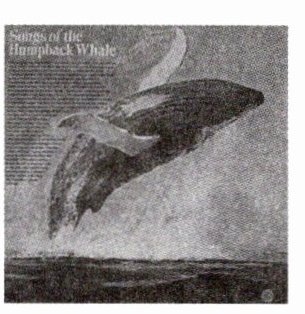
The top-selling album(唱片), Songs of the Humpback Whale, was made public in 1970. This collection of nature recordings changed the way many people thought about whales, and it helped save thousands of whales’ lives.
The album might never have been made without a sound engineer named Frank Watlington. In the 1960s, Watlington was making underwater recordings when he noticed some strange, deep sounds. He realized they were coming from whales. Watlington played the recordings for a pair of scientists named Roger and Katy Payne. When they listened, they fell in love with these beautiful voices at once.
Katy Payne studied music as well as animals, and she was greatly surprised by how the whales communicated using sounds like an opera(歌剧) singer. She also noticed another interesting fact: the sounds had clear patterns. According to scientists, an animal sound with a repeating pattern is called a song. Some scientists even compared these singing animals to musicians.
The Paynes thought that other people should also hear the beauty of the whales’ songs. So Roger made the recordings into an album. At the time when the album came out, whales were often caught, killed and traded for money. Some kinds were even in danger of dying out. Most people had never thought that whales could communicate through songs. But after hearing the album, they began to think differently.
The album led people to take action to save whales. Musicians began using whale songs in their music, and whales were included in movies and television shows. In 1982, a ban to stop deep-sea whaling was made. Before it, in the 1950s and 1960s, more than fifty thousand whales per year were killed. After that, the number went down below two thousand.
It might seem impossible that just one album could help save the lives of so many whales. But this album told people secrets about whales that had long been hidden under the sea. It allowed whales to finally share their songs with the human world.
1.What is the purpose of the passage?
A.To call on people to save animals.
B.To tell how a good album was made.
C.To show that whales are born singers.
D.To introduce an album and its stories.
2.Who first found the special voices of the whales?
A.A song recorder.
B.An opera singer.
C.A sound engineer.
D.An animal scientist.
3.What fact about the whales surprised Katy Payne?
A.They could talk with scientists.
B.They could sing like an opera singer.
C.They could repeat interesting sounds.
D.They could communicate through songs.
4.Which is one of the values of the album?
A.It successfully stopped deep-sea whaling.
B.It helped people understand whales better.
C.It made some music and movie stars popular.
D.It encouraged musicians to work with scientists.
The top-selling album(唱片), Songs of the Humpback Whale, was made public in 1970. This collection of nature recordings changed the way many people thought about whales, and it helped save thousands of whales’ lives.
The album might never have been made without a sound engineer named Frank Watlington. In the 1960s, Watlington was making underwater recordings when he noticed some strange, deep sounds. He realized they were coming from whales. Watlington played the recordings for a pair of scientists named Roger and Katy Payne. When they listened, they fell in love with these beautiful voices at once.
Katy Payne studied music as well as animals, and she was greatly surprised by how the whales communicated using sounds like an opera(歌剧) singer. She also noticed another interesting fact: the sounds had clear patterns. According to scientists, an animal sound with a repeating pattern is called a song. Some scientists even compared these singing animals to musicians.
The Paynes thought that other people should also hear the beauty of the whales’ songs. So Roger made the recordings into an album. At the time when the album came out, whales were often caught, killed and traded for money. Some kinds were even in danger of dying out. Most people had never thought that whales could communicate through songs. But after hearing the album, they began to think differently.
The album led people to take action to save whales. Musicians began using whale songs in their music, and whales were included in movies and television shows. In 1982, a ban to stop deep-sea whaling was made. Before it, in the 1950s and 1960s, more than fifty thousand whales per year were killed. After that, the number went down below two thousand.
It might seem impossible that just one album could help save the lives of so many whales. But this album told people secrets about whales that had long been hidden under the sea. It allowed whales to finally share their songs with the human world.
1.What is the purpose of the passage?
A.To call on people to save animals.
B.To tell how a good album was made.
C.To show that whales are born singers.
D.To introduce an album and its stories.
2.Who first found the special voices of the whales?
A.A song recorder.
B.An opera singer.
C.A sound engineer.
D.An animal scientist.
3.What fact about the whales surprised Katy Payne?
A.They could talk with scientists.
B.They could sing like an opera singer.
C.They could repeat interesting sounds.
D.They could communicate through songs.
4.Which is one of the values of the album?
A.It successfully stopped deep-sea whaling.
B.It helped people understand whales better.
C.It made some music and movie stars popular.
D.It encouraged musicians to work with scientists.
答案:
语篇解读 文章介绍了一张热销唱片以及它背后的故事。
1.D 写作目的题。本文主要介绍了一张名为Songs of the Humpback whale的唱片以及它背后的故事,故选D。
2.C 细节理解题。根据第二段第一、二句可知,是一名音响师最先发现了鲸鱼特殊的声音,故选C。
3.D 细节理解题。根据第三段第一句“Katy Payne...she was greatly surprised by how the whales communicated using sounds like an opera singer.”可知,令她惊讶的是,鲸鱼用像歌剧演员一样的声音进行交流,故选D。
4.B 细节理解题。根据文章最后一段第二、三句“But this album told people secrets about whales that had long been hidden under the sea. It allowed whales to finally share their songs with the human world.”可知,这张唱片帮助人们更好地了解鲸鱼,故选B。
1.D 写作目的题。本文主要介绍了一张名为Songs of the Humpback whale的唱片以及它背后的故事,故选D。
2.C 细节理解题。根据第二段第一、二句可知,是一名音响师最先发现了鲸鱼特殊的声音,故选C。
3.D 细节理解题。根据第三段第一句“Katy Payne...she was greatly surprised by how the whales communicated using sounds like an opera singer.”可知,令她惊讶的是,鲸鱼用像歌剧演员一样的声音进行交流,故选D。
4.B 细节理解题。根据文章最后一段第二、三句“But this album told people secrets about whales that had long been hidden under the sea. It allowed whales to finally share their songs with the human world.”可知,这张唱片帮助人们更好地了解鲸鱼,故选B。
查看更多完整答案,请扫码查看

