

 搜索
搜索
第71页
- 第1页
- 第2页
- 第3页
- 第4页
- 第5页
- 第6页
- 第7页
- 第8页
- 第9页
- 第10页
- 第11页
- 第12页
- 第13页
- 第14页
- 第15页
- 第16页
- 第17页
- 第18页
- 第19页
- 第20页
- 第21页
- 第22页
- 第23页
- 第24页
- 第25页
- 第26页
- 第27页
- 第28页
- 第29页
- 第30页
- 第31页
- 第32页
- 第33页
- 第34页
- 第35页
- 第36页
- 第37页
- 第38页
- 第39页
- 第40页
- 第41页
- 第42页
- 第43页
- 第44页
- 第45页
- 第46页
- 第47页
- 第48页
- 第49页
- 第50页
- 第51页
- 第52页
- 第53页
- 第54页
- 第55页
- 第56页
- 第57页
- 第58页
- 第59页
- 第60页
- 第61页
- 第62页
- 第63页
- 第64页
- 第65页
- 第66页
- 第67页
- 第68页
- 第69页
- 第70页
- 第71页
- 第72页
- 第73页
- 第74页
- 第75页
- 第76页
- 第77页
- 第78页
- 第79页
- 第80页
- 第81页
- 第82页
- 第83页
- 第84页
- 第85页
- 第86页
- 第87页
- 第88页
- 第89页
- 第90页
- 第91页
- 第92页
- 第93页
- 第94页
- 第95页
- 第96页
- 第97页
- 第98页
- 第99页
- 第100页
- 第101页
- 第102页
- 第103页
- 第104页
- 第105页
- 第106页
- 第107页
- 第108页
- 第109页
- 第110页
- 第111页
- 第112页
- 第113页
- 第114页
- 第115页
- 第116页
- 第117页
- 第118页
- 第119页
- 第120页
- 第121页
- 第122页
- 第123页
- 第124页
- 第125页
- 第126页
- 第127页
- 第128页
- 第129页
- 第130页
- 第131页
- 第132页
- 第133页
- 第134页
- 第135页
- 第136页
- 第137页
- 第138页
- 第139页
- 第140页
- 第141页
- 第142页
- 第143页
- 第144页
- 第145页
- 第146页
- 第147页
- 第148页
- 第149页
- 第150页
- 第151页
- 第152页
- 第153页
- 第154页
- 第155页
- 第156页
- 第157页
- 第158页
- 第159页
- 第160页
- 第161页
- 第162页
- 第163页
- 第164页
- 第165页
- 第166页
- 第167页
- 第168页
- 第169页
- 第170页
- 第171页
- 第172页
- 第173页
- 第174页
- 第175页
- 第176页
- 第177页
- 第178页
- 第179页
- 第180页
- 第181页
- 第182页
- 第183页
- 第184页
- 第185页
- 第186页
- 第187页
- 第188页
- 第189页
- 第190页
- 第191页
- 第192页
- 第193页
- 第194页
Passage 3(2023深圳一模,C)
Knife and scissors sharpening was once a popular job decades ago in China. This traditional craft has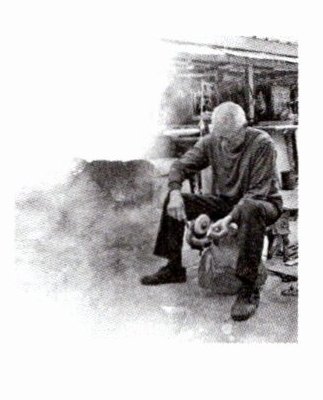
gradually disappeared from urban life as the business simply became spare over time in modern advanced technology times.
Chen Guangfu, a 79 - year - old man, has been doing the traditional business in Shenzhen for 26 years. Most of the time, he travels from one housing area to another with his tools.
Chen is from Bozhou, Anhui Province. In 1961, he learned to forge (锻造) iron when he was 17. In 1997, Chen quit his village job and decided to start his job in Shenzhen as a craftsman to sharpen knives and scissors. He said he likes the job as he is free to decide his working time, and it also helps to
realize the value of life. Over the past 26 years, the craftsman has experienced the changes of the city, and experienced the gradual disappearance of the old profession.
Since the 1980s, the clothing industry in Shenzhen has flourished (繁荣). And scissors are one of the indispensable tools for making clothes. However, with fewer and fewer clothing factories left now and changes in lifestyle, people tend to buy classier knives and scissors rather than keeping old ones. Knife and scissors sharpeners are therefore rarely to be found in the city today.
“Shenzhen is developing too fast,” Chen said. He has witnessed the rapid development of the city and felt its inclusiveness (包容性) and friendliness. But Chen said he would keep on doing the job as long as he is needed. “Now it doesn’t matter to me whether I make money or not from the job. I just want to keep this skill.”
1. How old was Chen when he chose to work in Shenzhen?
A. He was 17 years old.
B. He was 26 years old.
C. He was 53 years old.
D. He was 79 years old.
2. What does the underlined word “indispensable” in Paragraph 4 probably mean?
A. Useless.
B. Different.
C. Interesting.
D. Necessary.
3. According to the passage, why are knife and scissors sharpeners unpopular now in Shenzhen?
A. The lifestyle of people in Shenzhen has changed now.
B. The skills of the sharpeners became worse and worse.
C. It is too expensive for people to retain their old clothes.
D. Those old tools are out of date and useless for people today.
4. Which words can be used to describe Shenzhen in Chen’s eyes?
A. Wealthy, modern and nice.
B. Young, fashionable and beautiful.
C. Developing, inclusive and friendly.
D. International, peaceful and flourishing.
5. In which part of a newspaper can we read this passage?
A. Travel.
B. People.
C. Business.
D. Technology.
Knife and scissors sharpening was once a popular job decades ago in China. This traditional craft has
gradually disappeared from urban life as the business simply became spare over time in modern advanced technology times.
Chen Guangfu, a 79 - year - old man, has been doing the traditional business in Shenzhen for 26 years. Most of the time, he travels from one housing area to another with his tools.
Chen is from Bozhou, Anhui Province. In 1961, he learned to forge (锻造) iron when he was 17. In 1997, Chen quit his village job and decided to start his job in Shenzhen as a craftsman to sharpen knives and scissors. He said he likes the job as he is free to decide his working time, and it also helps to
realize the value of life. Over the past 26 years, the craftsman has experienced the changes of the city, and experienced the gradual disappearance of the old profession.
Since the 1980s, the clothing industry in Shenzhen has flourished (繁荣). And scissors are one of the indispensable tools for making clothes. However, with fewer and fewer clothing factories left now and changes in lifestyle, people tend to buy classier knives and scissors rather than keeping old ones. Knife and scissors sharpeners are therefore rarely to be found in the city today.
“Shenzhen is developing too fast,” Chen said. He has witnessed the rapid development of the city and felt its inclusiveness (包容性) and friendliness. But Chen said he would keep on doing the job as long as he is needed. “Now it doesn’t matter to me whether I make money or not from the job. I just want to keep this skill.”
1. How old was Chen when he chose to work in Shenzhen?
A. He was 17 years old.
B. He was 26 years old.
C. He was 53 years old.
D. He was 79 years old.
2. What does the underlined word “indispensable” in Paragraph 4 probably mean?
A. Useless.
B. Different.
C. Interesting.
D. Necessary.
3. According to the passage, why are knife and scissors sharpeners unpopular now in Shenzhen?
A. The lifestyle of people in Shenzhen has changed now.
B. The skills of the sharpeners became worse and worse.
C. It is too expensive for people to retain their old clothes.
D. Those old tools are out of date and useless for people today.
4. Which words can be used to describe Shenzhen in Chen’s eyes?
A. Wealthy, modern and nice.
B. Young, fashionable and beautiful.
C. Developing, inclusive and friendly.
D. International, peaceful and flourishing.
5. In which part of a newspaper can we read this passage?
A. Travel.
B. People.
C. Business.
D. Technology.
答案:
语篇解读 本文是一篇人物故事,讲述了在深圳以磨刀和磨剪刀为生的手艺人陈广福的故事。
1.C 细节理解题。根据第三段第二、三句“In 1961, he learned to forge iron when he was 17. In 1997, Chen quit his village job and decided to start his job in Shenzhen as a craftsman to sharpen knives and scissors.”可知,陈广福在1961年的时候是17岁,在1997年来深圳工作,那么他当时的年龄应该是53岁,故选C。
2.D 词义猜测题。根据画线词所在句并结合常识可知,剪刀是制作衣服的必备工具之一,necessary“必需的,必要的”符合语境,故选D。
3.A 细节理解题。根据第四段第三句可知,如今在深圳磨刀和剪刀的手艺人不受欢迎的原因是人们的生活方式发生了改变,故选A。
4.C 推理判断题。根据最后一段第二句“He has witnessed the rapid development of the city and felt its inclusiveness and friendliness.”可知,陈广福眼中的深圳是发展中的、包容的和友好的,故选C。
5.B 文章出处题。通读全文可知,文章主要讲述了在现代城市仍然坚持手工磨刀、磨剪刀的手艺人陈广福的故事,因此我们很有可能从报纸上的“人物”版块读到这篇文章,故选B。
1.C 细节理解题。根据第三段第二、三句“In 1961, he learned to forge iron when he was 17. In 1997, Chen quit his village job and decided to start his job in Shenzhen as a craftsman to sharpen knives and scissors.”可知,陈广福在1961年的时候是17岁,在1997年来深圳工作,那么他当时的年龄应该是53岁,故选C。
2.D 词义猜测题。根据画线词所在句并结合常识可知,剪刀是制作衣服的必备工具之一,necessary“必需的,必要的”符合语境,故选D。
3.A 细节理解题。根据第四段第三句可知,如今在深圳磨刀和剪刀的手艺人不受欢迎的原因是人们的生活方式发生了改变,故选A。
4.C 推理判断题。根据最后一段第二句“He has witnessed the rapid development of the city and felt its inclusiveness and friendliness.”可知,陈广福眼中的深圳是发展中的、包容的和友好的,故选C。
5.B 文章出处题。通读全文可知,文章主要讲述了在现代城市仍然坚持手工磨刀、磨剪刀的手艺人陈广福的故事,因此我们很有可能从报纸上的“人物”版块读到这篇文章,故选B。
查看更多完整答案,请扫码查看

