

 搜索
搜索
第111页
- 第1页
- 第2页
- 第3页
- 第4页
- 第5页
- 第6页
- 第7页
- 第8页
- 第9页
- 第10页
- 第11页
- 第12页
- 第13页
- 第14页
- 第15页
- 第16页
- 第17页
- 第18页
- 第19页
- 第20页
- 第21页
- 第22页
- 第23页
- 第24页
- 第25页
- 第26页
- 第27页
- 第28页
- 第29页
- 第30页
- 第31页
- 第32页
- 第33页
- 第34页
- 第35页
- 第36页
- 第37页
- 第38页
- 第39页
- 第40页
- 第41页
- 第42页
- 第43页
- 第44页
- 第45页
- 第46页
- 第47页
- 第48页
- 第49页
- 第50页
- 第51页
- 第52页
- 第53页
- 第54页
- 第55页
- 第56页
- 第57页
- 第58页
- 第59页
- 第60页
- 第61页
- 第62页
- 第63页
- 第64页
- 第65页
- 第66页
- 第67页
- 第68页
- 第69页
- 第70页
- 第71页
- 第72页
- 第73页
- 第74页
- 第75页
- 第76页
- 第77页
- 第78页
- 第79页
- 第80页
- 第81页
- 第82页
- 第83页
- 第84页
- 第85页
- 第86页
- 第87页
- 第88页
- 第89页
- 第90页
- 第91页
- 第92页
- 第93页
- 第94页
- 第95页
- 第96页
- 第97页
- 第98页
- 第99页
- 第100页
- 第101页
- 第102页
- 第103页
- 第104页
- 第105页
- 第106页
- 第107页
- 第108页
- 第109页
- 第110页
- 第111页
- 第112页
- 第113页
- 第114页
- 第115页
- 第116页
- 第117页
- 第118页
- 第119页
- 第120页
- 第121页
- 第122页
- 第123页
- 第124页
- 第125页
- 第126页
- 第127页
- 第128页
- 第129页
- 第130页
- 第131页
- 第132页
- 第133页
- 第134页
- 第135页
- 第136页
- 第137页
- 第138页
- 第139页
- 第140页
- 第141页
- 第142页
- 第143页
- 第144页
- 第145页
- 第146页
- 第147页
- 第148页
- 第149页
- 第150页
- 第151页
- 第152页
- 第153页
- 第154页
- 第155页
- 第156页
- 第157页
- 第158页
- 第159页
- 第160页
- 第161页
- 第162页
- 第163页
- 第164页
- 第165页
- 第166页
- 第167页
- 第168页
- 第169页
- 第170页
- 第171页
- 第172页
- 第173页
- 第174页
- 第175页
- 第176页
- 第177页
- 第178页
- 第179页
- 第180页
- 第181页
- 第182页
- 第183页
- 第184页
- 第185页
- 第186页
- 第187页
- 第188页
- 第189页
- 第190页
- 第191页
- 第192页
- 第193页
- 第194页
(2024广州一模)
阅读短文及文后的A~E选项,选出可以填入1~5各题空白处的最佳选项。
“Dragon” has long been used as the translation of the word “Loong”. According to some written records,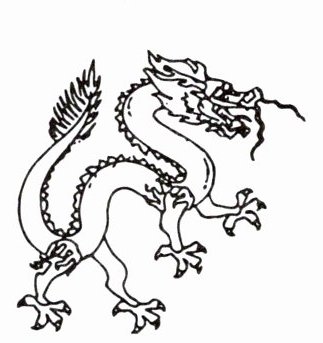
“Loong” was first translated into “dragon” in The Travels of Marco Polo published in 1299. 1 “Loong” is similar to the Western dragon, in a way—for example, both are huge and can fly. But the translation is far from being able to show all the meanings that “Loong” has in Chinese culture. Instead, it makes Westerners unable to understand it.
2 As we see in movies, the Western dragon is a kind of fire - breathing cruel animal. It is usually beaten by heroes. However, in China, it’s said that the Chinese dragon can fly and has the magical power to control wind and rain. 3
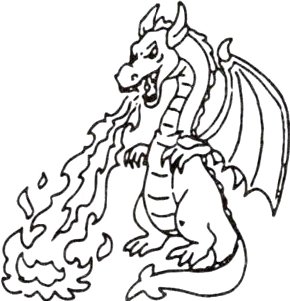
The Chinese use “Loong” as one of their favourite names or decorations.
“Loong” is meaningful and native to China and there aren’t any proper expressions for it in Western languages. 4 They aim to tell people the Chinese dragon is totally different from the fire - breathing one in ancient Western stories. No matter which way “Loong” is translated, we must show that “Loong” is warm and joyful. It’s very different from the Western dragon. 5

1.____________ 2.______________ 3.______________ 4.______________ 5.____________
阅读短文及文后的A~E选项,选出可以填入1~5各题空白处的最佳选项。
“Dragon” has long been used as the translation of the word “Loong”. According to some written records,
“Loong” was first translated into “dragon” in The Travels of Marco Polo published in 1299. 1 “Loong” is similar to the Western dragon, in a way—for example, both are huge and can fly. But the translation is far from being able to show all the meanings that “Loong” has in Chinese culture. Instead, it makes Westerners unable to understand it.
2 As we see in movies, the Western dragon is a kind of fire - breathing cruel animal. It is usually beaten by heroes. However, in China, it’s said that the Chinese dragon can fly and has the magical power to control wind and rain. 3
The Chinese use “Loong” as one of their favourite names or decorations.
“Loong” is meaningful and native to China and there aren’t any proper expressions for it in Western languages. 4 They aim to tell people the Chinese dragon is totally different from the fire - breathing one in ancient Western stories. No matter which way “Loong” is translated, we must show that “Loong” is warm and joyful. It’s very different from the Western dragon. 5
1.____________ 2.______________ 3.______________ 4.______________ 5.____________
答案:
语篇解读 本文是一篇说明文,文章主要讨论了中国龙的翻译以及与西方龙的区别。
1.C 根据“According to some written records, ‘Loong’ was first translated into ‘dragon’ in The Travels of Marco Polo published in 1299.”可知,根据一些文字记载,“Loong”在1299年出版的《马可·波罗游记》中首次被翻译为“dragon”。选项C“‘Dragon’在当时可能是描述‘Loong’最好的词”符合语境,故选C。
2.B 根据“As we see in movies, the Western dragon is a kind of fire - breathing cruel animal. It is usually beaten by heroes. However, in China, it’s said that the Chinese dragon can fly and has the magical power to control wind and rain.”可知,这里介绍的是西方龙和中国龙的差别。选项B“中国龙和西方龙在哪些方面有很大的不同?”符合语境,故选B。
3.A 根据“The Chinese use ‘Loong’ as one of their favourite names or decorations.”可知,中国人把“龙”作为他们最喜欢的名字或装饰品之一。选项A“中国人相信‘龙’能给他们带来力量和好运”符合语境,故选A。
4.E 根据“‘Loong’ is meaningful and native to China and there aren’t any proper expressions for it in Western languages.”可知,“Loong”是有意义的,是中国本土的,在西方语言中没有合适的表达。选项E“文化专家认为用‘Loong’这个新词来描述中国龙是个不错的主意”符合语境,故选E。
5.D 根据“No matter which way ‘Loong’ is translated, we must show that ‘Loong’ is warm and joyful. It’s very different from the Western dragon.”可知,无论“龙”用哪种方式翻译,我们都必须表现出“龙”的温暖和令人愉快。它和西方的龙很不一样。选项D“我们应该尽量把‘龙’解释清楚,这样西方人就不会在翻译中迷失”符合语境,故选D。
1.C 根据“According to some written records, ‘Loong’ was first translated into ‘dragon’ in The Travels of Marco Polo published in 1299.”可知,根据一些文字记载,“Loong”在1299年出版的《马可·波罗游记》中首次被翻译为“dragon”。选项C“‘Dragon’在当时可能是描述‘Loong’最好的词”符合语境,故选C。
2.B 根据“As we see in movies, the Western dragon is a kind of fire - breathing cruel animal. It is usually beaten by heroes. However, in China, it’s said that the Chinese dragon can fly and has the magical power to control wind and rain.”可知,这里介绍的是西方龙和中国龙的差别。选项B“中国龙和西方龙在哪些方面有很大的不同?”符合语境,故选B。
3.A 根据“The Chinese use ‘Loong’ as one of their favourite names or decorations.”可知,中国人把“龙”作为他们最喜欢的名字或装饰品之一。选项A“中国人相信‘龙’能给他们带来力量和好运”符合语境,故选A。
4.E 根据“‘Loong’ is meaningful and native to China and there aren’t any proper expressions for it in Western languages.”可知,“Loong”是有意义的,是中国本土的,在西方语言中没有合适的表达。选项E“文化专家认为用‘Loong’这个新词来描述中国龙是个不错的主意”符合语境,故选E。
5.D 根据“No matter which way ‘Loong’ is translated, we must show that ‘Loong’ is warm and joyful. It’s very different from the Western dragon.”可知,无论“龙”用哪种方式翻译,我们都必须表现出“龙”的温暖和令人愉快。它和西方的龙很不一样。选项D“我们应该尽量把‘龙’解释清楚,这样西方人就不会在翻译中迷失”符合语境,故选D。
查看更多完整答案,请扫码查看

