

 搜索
搜索
第149页
- 第1页
- 第2页
- 第3页
- 第4页
- 第5页
- 第6页
- 第7页
- 第8页
- 第9页
- 第10页
- 第11页
- 第12页
- 第13页
- 第14页
- 第15页
- 第16页
- 第17页
- 第18页
- 第19页
- 第20页
- 第21页
- 第22页
- 第23页
- 第24页
- 第25页
- 第26页
- 第27页
- 第28页
- 第29页
- 第30页
- 第31页
- 第32页
- 第33页
- 第34页
- 第35页
- 第36页
- 第37页
- 第38页
- 第39页
- 第40页
- 第41页
- 第42页
- 第43页
- 第44页
- 第45页
- 第46页
- 第47页
- 第48页
- 第49页
- 第50页
- 第51页
- 第52页
- 第53页
- 第54页
- 第55页
- 第56页
- 第57页
- 第58页
- 第59页
- 第60页
- 第61页
- 第62页
- 第63页
- 第64页
- 第65页
- 第66页
- 第67页
- 第68页
- 第69页
- 第70页
- 第71页
- 第72页
- 第73页
- 第74页
- 第75页
- 第76页
- 第77页
- 第78页
- 第79页
- 第80页
- 第81页
- 第82页
- 第83页
- 第84页
- 第85页
- 第86页
- 第87页
- 第88页
- 第89页
- 第90页
- 第91页
- 第92页
- 第93页
- 第94页
- 第95页
- 第96页
- 第97页
- 第98页
- 第99页
- 第100页
- 第101页
- 第102页
- 第103页
- 第104页
- 第105页
- 第106页
- 第107页
- 第108页
- 第109页
- 第110页
- 第111页
- 第112页
- 第113页
- 第114页
- 第115页
- 第116页
- 第117页
- 第118页
- 第119页
- 第120页
- 第121页
- 第122页
- 第123页
- 第124页
- 第125页
- 第126页
- 第127页
- 第128页
- 第129页
- 第130页
- 第131页
- 第132页
- 第133页
- 第134页
- 第135页
- 第136页
- 第137页
- 第138页
- 第139页
- 第140页
- 第141页
- 第142页
- 第143页
- 第144页
- 第145页
- 第146页
- 第147页
- 第148页
- 第149页
- 第150页
- 第151页
- 第152页
- 第153页
- 第154页
- 第155页
- 第156页
- 第157页
- 第158页
- 第159页
- 第160页
- 第161页
- 第162页
- 第163页
- 第164页
- 第165页
- 第166页
- 第167页
- 第168页
- 第169页
- 第170页
- 第171页
- 第172页
- 第173页
- 第174页
- 第175页
- 第176页
- 第177页
- 第178页
- 第179页
- 第180页
- 第181页
- 第182页
- 第183页
- 第184页
- 第185页
- 第186页
- 第187页
- 第188页
- 第189页
The Taklimakan Desert is the largest desert in China. It is about 337, 600 square kilometers in the Tarim Basin in Xinjiang. The dry environment makes it difficult for life there. Sandstorms often happen, and the moving sand seriously influences the lives of local people and the natural environment in this area. However, the Chinese government and people have been making much effort to control the desert. Here are some of scientific and effective ways they have used.
One of the main ways is to build a tree belt(带) around the desert. By the end of 2023, a 2,761-kilometer-long green belt had already been built around it. In 2024, the last part of the belt, 285 kilometers, was finished. It's about 3,046 kilometers in total. The belt lies as a strong wall against the spread of the desert.
Biological ways are also widely used. For example, people grow special plants that can grow well with little water, like huyang, suosuo and so on. These plants hold the sand and reduce sandstorms. At the same time, they can also bring certain economic(经济的) benefits to local people.
And the method of using solar power generation(太阳能发电) has been used too. By building greenhouses, people can grow vegetables and fruits. In this way, they can make full use of the land and light in the desert area.
Great changes have already taken place. The natural environment around the desert has been improved greatly. The local economy has also been developed rapidly. The success in the control of this desert shows: as long as we have a strong will and use scientific methods, we can protect the environment and build a better future for both people and nature.
1.(创新考法·行文方式题)How does the writer start the passage?
A. By listing facts.
B. By giving examples.
C. By answering questions.
2. What does the underlined word “effective” probably mean in Paragraph 1?
A. Expensive.
B. Simple.
C. Useful.
3. Why do people grow special plants in the desert?
A. To make the desert more beautiful.
B. To prevent sandstorms and get economic benefits.
C. To provide food for animals and make more money.
4.(创新考法·篇章结构题)Which of the following best shows the structure of the passage?
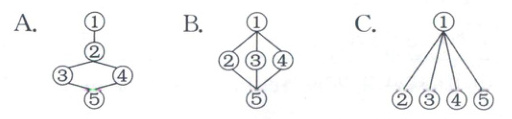
A. ①②③④⑤
B. ①②③④⑤
C. ①②③④⑤
One of the main ways is to build a tree belt(带) around the desert. By the end of 2023, a 2,761-kilometer-long green belt had already been built around it. In 2024, the last part of the belt, 285 kilometers, was finished. It's about 3,046 kilometers in total. The belt lies as a strong wall against the spread of the desert.
Biological ways are also widely used. For example, people grow special plants that can grow well with little water, like huyang, suosuo and so on. These plants hold the sand and reduce sandstorms. At the same time, they can also bring certain economic(经济的) benefits to local people.
And the method of using solar power generation(太阳能发电) has been used too. By building greenhouses, people can grow vegetables and fruits. In this way, they can make full use of the land and light in the desert area.
Great changes have already taken place. The natural environment around the desert has been improved greatly. The local economy has also been developed rapidly. The success in the control of this desert shows: as long as we have a strong will and use scientific methods, we can protect the environment and build a better future for both people and nature.
1.(创新考法·行文方式题)How does the writer start the passage?
A. By listing facts.
B. By giving examples.
C. By answering questions.
2. What does the underlined word “effective” probably mean in Paragraph 1?
A. Expensive.
B. Simple.
C. Useful.
3. Why do people grow special plants in the desert?
A. To make the desert more beautiful.
B. To prevent sandstorms and get economic benefits.
C. To provide food for animals and make more money.
4.(创新考法·篇章结构题)Which of the following best shows the structure of the passage?
A. ①②③④⑤
B. ①②③④⑤
C. ①②③④⑤
答案:
1.A 解析:推理判断题。根据第一段可知,作者通过列举塔克拉玛干沙漠的面积、环境状况等事实来开篇。
2.C 解析:词义猜测题。根据“However, the Chinese government and people have been making much effort to control the desert. Here are some of scientific and effective ways they have used.”可知,中国政府和人民一直在努力控制沙漠,文章介绍了一些科学有效的方法。因此effective与useful意思相近。
3.B 解析:细节理解题。根据“For example, people grow special plants that can grow well with little water, like hyuang, suosuo and so on. These plants hold the sand and reduce sandstorms. At the same time, they can also bring certain economic benefits to local people.”可知,人们在沙漠中种植特殊的植物可以固定沙子并减少沙尘暴,并获得一定的经济效益。
4.B 解析:篇章结构题。文章第一段引出中国政府和人民努力治理塔克拉玛干沙漠并提到一些科学有效的方法;第二、三、四段分别介绍了这些方法;第五段总结治理取得的成就。因此文章的结构是“总—分—总”。
2.C 解析:词义猜测题。根据“However, the Chinese government and people have been making much effort to control the desert. Here are some of scientific and effective ways they have used.”可知,中国政府和人民一直在努力控制沙漠,文章介绍了一些科学有效的方法。因此effective与useful意思相近。
3.B 解析:细节理解题。根据“For example, people grow special plants that can grow well with little water, like hyuang, suosuo and so on. These plants hold the sand and reduce sandstorms. At the same time, they can also bring certain economic benefits to local people.”可知,人们在沙漠中种植特殊的植物可以固定沙子并减少沙尘暴,并获得一定的经济效益。
4.B 解析:篇章结构题。文章第一段引出中国政府和人民努力治理塔克拉玛干沙漠并提到一些科学有效的方法;第二、三、四段分别介绍了这些方法;第五段总结治理取得的成就。因此文章的结构是“总—分—总”。
You can put a stamp on it, you can write an address on it, and you can send it through the mail. No, it's not a package(包裹). It's the amazing coconut(椰子)! The coconut is different from most other fruits because every part of it is useful. People have been using coconuts in many different ways. Here are some of them.
One exciting use of the coconut is as a kind of energy. Scientists are working on using coconuts for energy because they are cheap and clean. Coconut oil has already been made into fuel(燃料). It can power cars, trucks, ships and many more.
Students at Baylor University find that coconut husks(外壳) can take in water very well. So mixing coconut husks with dry soil(土壤) helps the soil to hold onto more of the water. The students also find that coconut husks can take the place of plastic in some cases. If this is possible, it will help people use less plastic.
The husk of the coconut is a perfect package. It protects the coconut from harm. That's why some countries allow people to send the coconut without any packaging. Each year, tourists post about 3,000 of these “coconut postcards”.
Coconuts grow naturally in over 80 countries of the world. They require only sunshine and proper rain. No special care is needed. Every year, more than 61 million tons of coconuts are produced. It is not surprising, then, that people want to find so many uses for the coconut.
1. Why is the coconut different from most other fruits?
A. Stamps can be put on it.
B. Every part of it is useful.
C. People send it in a package.
D. Addresses can be written on it.
2. What does the underlined word “power” in Paragraph 2 mean?
A. Make room for.
B. Add value to.
C. Provide energy for.
D. Put weight on.
3. In which part of the magazine could we read the passage?
A. Story Time.
B. History World.
C. Sports News.
D. Amazing Nature.
4. What's the main purpose of the passage?
A. To advise people to protect coconuts.
B. To ask people to grow more coconuts.
C. To show the value and uses of coconuts.
D. To introduce a fuel made from coconuts.
5.(创新考法·篇章结构题)What would be the best structure of the passage?
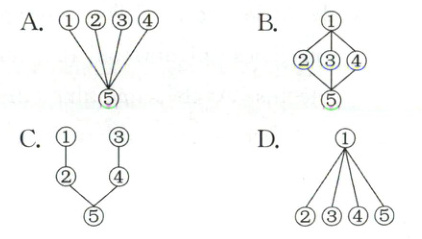
One exciting use of the coconut is as a kind of energy. Scientists are working on using coconuts for energy because they are cheap and clean. Coconut oil has already been made into fuel(燃料). It can power cars, trucks, ships and many more.
Students at Baylor University find that coconut husks(外壳) can take in water very well. So mixing coconut husks with dry soil(土壤) helps the soil to hold onto more of the water. The students also find that coconut husks can take the place of plastic in some cases. If this is possible, it will help people use less plastic.
The husk of the coconut is a perfect package. It protects the coconut from harm. That's why some countries allow people to send the coconut without any packaging. Each year, tourists post about 3,000 of these “coconut postcards”.
Coconuts grow naturally in over 80 countries of the world. They require only sunshine and proper rain. No special care is needed. Every year, more than 61 million tons of coconuts are produced. It is not surprising, then, that people want to find so many uses for the coconut.
1. Why is the coconut different from most other fruits?
A. Stamps can be put on it.
B. Every part of it is useful.
C. People send it in a package.
D. Addresses can be written on it.
2. What does the underlined word “power” in Paragraph 2 mean?
A. Make room for.
B. Add value to.
C. Provide energy for.
D. Put weight on.
3. In which part of the magazine could we read the passage?
A. Story Time.
B. History World.
C. Sports News.
D. Amazing Nature.
4. What's the main purpose of the passage?
A. To advise people to protect coconuts.
B. To ask people to grow more coconuts.
C. To show the value and uses of coconuts.
D. To introduce a fuel made from coconuts.
5.(创新考法·篇章结构题)What would be the best structure of the passage?
答案:
1.B 解析:细节理解题。根据“The coconut is different from most other fruits because every part of it is useful.”可知,椰子与其他水果的不同之处在于它的每个部分都有用。
2.C 解析:词义猜测题。根据“Coconut oil has already been made into fuel. It can power cars, trucks, ships and many more.”可知,椰子油被制成燃料后能为车辆、船只提供动力,因此power意为“提供能源”。
3.D 解析:推理判断题。通读全文可知,全文围绕椰子的自然属性和多种用途展开,与自然相关。最可能出现在杂志的“Amazing Nature”板块。
4.C 解析:推理判断题。通读全文可知,文章从多个角度(能源、环保、邮寄等)展示了椰子的实用价值,故其主要目的是展示椰子的价值和用途。
5.B 解析:篇章结构题。通读全文可知,第一段总述椰子特点;第二、三、四段分述其用途(能源、环保、邮寄等);第五段总结产量和实用性,故文章结构为“总—分—总”。
2.C 解析:词义猜测题。根据“Coconut oil has already been made into fuel. It can power cars, trucks, ships and many more.”可知,椰子油被制成燃料后能为车辆、船只提供动力,因此power意为“提供能源”。
3.D 解析:推理判断题。通读全文可知,全文围绕椰子的自然属性和多种用途展开,与自然相关。最可能出现在杂志的“Amazing Nature”板块。
4.C 解析:推理判断题。通读全文可知,文章从多个角度(能源、环保、邮寄等)展示了椰子的实用价值,故其主要目的是展示椰子的价值和用途。
5.B 解析:篇章结构题。通读全文可知,第一段总述椰子特点;第二、三、四段分述其用途(能源、环保、邮寄等);第五段总结产量和实用性,故文章结构为“总—分—总”。
查看更多完整答案,请扫码查看

