

 搜索
搜索
第123页
- 第1页
- 第2页
- 第3页
- 第4页
- 第5页
- 第6页
- 第7页
- 第8页
- 第9页
- 第10页
- 第11页
- 第12页
- 第13页
- 第14页
- 第15页
- 第16页
- 第17页
- 第18页
- 第19页
- 第20页
- 第21页
- 第22页
- 第23页
- 第24页
- 第25页
- 第26页
- 第27页
- 第28页
- 第29页
- 第30页
- 第31页
- 第32页
- 第33页
- 第34页
- 第35页
- 第36页
- 第37页
- 第38页
- 第39页
- 第40页
- 第41页
- 第42页
- 第43页
- 第44页
- 第45页
- 第46页
- 第47页
- 第48页
- 第49页
- 第50页
- 第51页
- 第52页
- 第53页
- 第54页
- 第55页
- 第56页
- 第57页
- 第58页
- 第59页
- 第60页
- 第61页
- 第62页
- 第63页
- 第64页
- 第65页
- 第66页
- 第67页
- 第68页
- 第69页
- 第70页
- 第71页
- 第72页
- 第73页
- 第74页
- 第75页
- 第76页
- 第77页
- 第78页
- 第79页
- 第80页
- 第81页
- 第82页
- 第83页
- 第84页
- 第85页
- 第86页
- 第87页
- 第88页
- 第89页
- 第90页
- 第91页
- 第92页
- 第93页
- 第94页
- 第95页
- 第96页
- 第97页
- 第98页
- 第99页
- 第100页
- 第101页
- 第102页
- 第103页
- 第104页
- 第105页
- 第106页
- 第107页
- 第108页
- 第109页
- 第110页
- 第111页
- 第112页
- 第113页
- 第114页
- 第115页
- 第116页
- 第117页
- 第118页
- 第119页
- 第120页
- 第121页
- 第122页
- 第123页
- 第124页
- 第125页
- 第126页
- 第127页
- 第128页
- 第129页
- 第130页
- 第131页
- 第132页
- 第133页
- 第134页
- 第135页
- 第136页
- 第137页
- 第138页
- 第139页
- 第140页
- 第141页
- 第142页
- 第143页
- 第144页
- 第145页
- 第146页
- 第147页
- 第148页
- 第149页
- 第150页
- 第151页
- 第152页
- 第153页
- 第154页
- 第155页
- 第156页
- 第157页
- 第158页
- 第159页
- 第160页
- 第161页
- 第162页
- 第163页
- 第164页
- 第165页
- 第166页
- 第167页
- 第168页
- 第169页
- 第170页
- 第171页
- 第172页
- 第173页
- 第174页
- 第175页
- 第176页
- 第177页
- 第178页
- 第179页
- 第180页
- 第181页
- 第182页
- 第183页
- 第184页
- 第185页
- 第186页
- 第187页
- 第188页
- 第189页
You may be really embarrassed if someone sees you talking to yourself. But don’t feel bad about it! Talking to yourself actually has a lot of advantages.
You probably know that thinking is good for the brain. It helps us do things like making plans and managing our feelings. Talking to yourself loud is like showing this quiet inner(内心的)speech. It can help you do better in different areas like study,sports and work.
Talking to yourself,especially in the third person,can help you manage bad feelings. “Talking to yourself in the third person is like giving yourself advice,” said Professor Jason Moser. Moser uses himself in an example. He does not like flying,but he has to fly often for his work. So when he is feeling nervous or afraid during a flight,he talks to himself. “Well,you know,Jason knows air travel is very safe. And Jason has been on thousands of flights. ” This can help us to see things from a different aspect,especially when we are feeling sad or angry.
When encouragement comes from oneself,it adds to self - confidence. A study invited 72 tennis players to take part in some matches. Researchers(调查者)put the players into two groups:one group that said nothing while playing,and the other that talked to themselves while playing. They found that the self - talkers showed more confidence and played better than those in the silent group.
Self - talk also helps to improve memory. Researchers tested four different ways to memorize things:reading silently,reading aloud,listening to someone else read and listening to a recording of oneself reading. Those who read out loud recalled the information the best. It is because the information will probably become a long - term memory if it is said out loud.
1. What does the underlined word “It” refer to in Paragraph 2?
A. Thinking.
B. The brain.
C. Talking to yourself.
2.(创新考法·行文方式题)How does the writer show his opinion in Paragraph 3?
A. By listing numbers.
B. By giving an example.
C. By comparing himself with others.
3. What’s the main idea of Paragraph 4?
A. Talking to oneself helps to find out the best players.
B. Talking to oneself helps to improve players’ talking skills.
C. Talking to yourself helps to make you more confident.
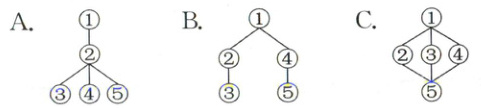
4.(创新考法·篇章结构题)Which of the following best shows the structure of the passage?
You probably know that thinking is good for the brain. It helps us do things like making plans and managing our feelings. Talking to yourself loud is like showing this quiet inner(内心的)speech. It can help you do better in different areas like study,sports and work.
Talking to yourself,especially in the third person,can help you manage bad feelings. “Talking to yourself in the third person is like giving yourself advice,” said Professor Jason Moser. Moser uses himself in an example. He does not like flying,but he has to fly often for his work. So when he is feeling nervous or afraid during a flight,he talks to himself. “Well,you know,Jason knows air travel is very safe. And Jason has been on thousands of flights. ” This can help us to see things from a different aspect,especially when we are feeling sad or angry.
When encouragement comes from oneself,it adds to self - confidence. A study invited 72 tennis players to take part in some matches. Researchers(调查者)put the players into two groups:one group that said nothing while playing,and the other that talked to themselves while playing. They found that the self - talkers showed more confidence and played better than those in the silent group.
Self - talk also helps to improve memory. Researchers tested four different ways to memorize things:reading silently,reading aloud,listening to someone else read and listening to a recording of oneself reading. Those who read out loud recalled the information the best. It is because the information will probably become a long - term memory if it is said out loud.
1. What does the underlined word “It” refer to in Paragraph 2?
A. Thinking.
B. The brain.
C. Talking to yourself.
2.(创新考法·行文方式题)How does the writer show his opinion in Paragraph 3?
A. By listing numbers.
B. By giving an example.
C. By comparing himself with others.
3. What’s the main idea of Paragraph 4?
A. Talking to oneself helps to find out the best players.
B. Talking to oneself helps to improve players’ talking skills.
C. Talking to yourself helps to make you more confident.
4.(创新考法·篇章结构题)Which of the following best shows the structure of the passage?
答案:
1.C解析:代词指代题。根据Talking to yourself loud is like showing this quiet inner speech.It can help you do better in different areas like study,sports and work.可知,大声对自己说话就像展示自己的内心语言,可以帮助人们在学习、运动和工作等不同领域做得更好。故It指代上文提到的Talking to yourself。
2.B解析:推理判断题。根据Moser uses himself in an example.可知,第三段以教授杰森·莫泽个人乘坐飞机的经历来论证观点。
3.C解析:段落大意题。根据When encouragement comes from oneself,it adds to self-confidence.可知,第四段主要介绍了自言自语可以帮助提高自信。
4.A解析:篇章结构题。通读全文可知,文章第一段总起全文,表明文章主题:自言自语有很多好处;文章第二段总体介绍了自言自语的概念,进一步表明它的好处;文章第三、四、五段分别从三个方面具体阐述自言自语的好处。
2.B解析:推理判断题。根据Moser uses himself in an example.可知,第三段以教授杰森·莫泽个人乘坐飞机的经历来论证观点。
3.C解析:段落大意题。根据When encouragement comes from oneself,it adds to self-confidence.可知,第四段主要介绍了自言自语可以帮助提高自信。
4.A解析:篇章结构题。通读全文可知,文章第一段总起全文,表明文章主题:自言自语有很多好处;文章第二段总体介绍了自言自语的概念,进一步表明它的好处;文章第三、四、五段分别从三个方面具体阐述自言自语的好处。
查看更多完整答案,请扫码查看

