

 搜索
搜索
2025年点津英语天天练英语时文阅读八年级
注:目前有些书本章节名称可能整理的还不是很完善,但都是按照顺序排列的,请同学们按照顺序仔细查找。练习册 2025年点津英语天天练英语时文阅读八年级 答案主要是用来给同学们做完题方便对答案用的,请勿直接抄袭。
第74页
- 第1页
- 第2页
- 第3页
- 第4页
- 第5页
- 第6页
- 第7页
- 第8页
- 第9页
- 第10页
- 第11页
- 第12页
- 第13页
- 第14页
- 第15页
- 第16页
- 第17页
- 第18页
- 第19页
- 第20页
- 第21页
- 第22页
- 第23页
- 第24页
- 第25页
- 第26页
- 第27页
- 第28页
- 第29页
- 第30页
- 第31页
- 第32页
- 第33页
- 第34页
- 第35页
- 第36页
- 第37页
- 第38页
- 第39页
- 第40页
- 第41页
- 第42页
- 第43页
- 第44页
- 第45页
- 第46页
- 第47页
- 第48页
- 第49页
- 第50页
- 第51页
- 第52页
- 第53页
- 第54页
- 第55页
- 第56页
- 第57页
- 第58页
- 第59页
- 第60页
- 第61页
- 第62页
- 第63页
- 第64页
- 第65页
- 第66页
- 第67页
- 第68页
- 第69页
- 第70页
- 第71页
- 第72页
- 第73页
- 第74页
- 第75页
- 第76页
- 第77页
- 第78页
- 第79页
Reverse culture shock
逆文化冲击
You're probably familiar with the idea of culture shock. It's something people talk about all the time. But I recently experienced "reverse culture shock".
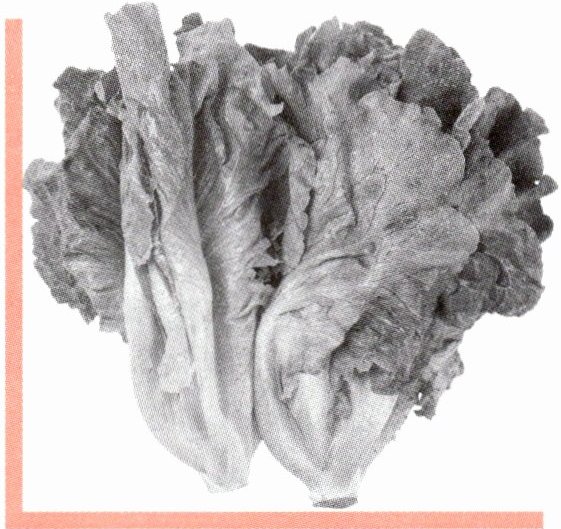
After working in South America for two years, I returned to North America for a vacation (假期). After landing in Chicago, I ordered a sandwich from a local vendor. I was excited to dig in. But then I noticed a man sitting across from me. He was eating a sandwich packed with raw lettuce (生菜). This would be unthinkable in most parts of South America. There, vegetables are often washed with unclean water. I immediately leaned over to warn the man about the dangers of potential (可能的) bacteria (细菌) in the lettuce. He looked at me in confusion.
I was also shocked at how quickly my money disappeared from my wallet into the hands of local vendors. At Six Flags, I spent seven dollars on a turkey (火鸡) leg. In Ecuador, a whole chicken only costs about two dollars.
After two years in Spanish - speaking countries, I had gotten very used to the language. In fact, it had become more natural to me than English. This was true even in the United States. When I asked for directions on the street, for example, it took all my effort not to speak Spanish.
Coming back to North America was harder than I had imagined. I always thought that when I got home, I would be like a kid in a candy shop, eager to visit all the different places I had missed. But that wasn't the case. So here I am, on my way back to South America.
(
A. two months B. six months C. two years D. five years
(
A. angry B. sorry C. confused D. thankful
(
A. cheaper B. cleaner C. more delicious D. more expensive
(
A. French. B. English. C. Spanish. D. Chinese.
(
A. eating a sandwich
B. asking for directions
C. preparing to return to South America
D. thinking about what other places to visit in his hometown
逆文化冲击
You're probably familiar with the idea of culture shock. It's something people talk about all the time. But I recently experienced "reverse culture shock".
After working in South America for two years, I returned to North America for a vacation (假期). After landing in Chicago, I ordered a sandwich from a local vendor. I was excited to dig in. But then I noticed a man sitting across from me. He was eating a sandwich packed with raw lettuce (生菜). This would be unthinkable in most parts of South America. There, vegetables are often washed with unclean water. I immediately leaned over to warn the man about the dangers of potential (可能的) bacteria (细菌) in the lettuce. He looked at me in confusion.
I was also shocked at how quickly my money disappeared from my wallet into the hands of local vendors. At Six Flags, I spent seven dollars on a turkey (火鸡) leg. In Ecuador, a whole chicken only costs about two dollars.
After two years in Spanish - speaking countries, I had gotten very used to the language. In fact, it had become more natural to me than English. This was true even in the United States. When I asked for directions on the street, for example, it took all my effort not to speak Spanish.
Coming back to North America was harder than I had imagined. I always thought that when I got home, I would be like a kid in a candy shop, eager to visit all the different places I had missed. But that wasn't the case. So here I am, on my way back to South America.
(
C
) 1. Before writing this passage, the author had stayed in South America for ______.A. two months B. six months C. two years D. five years
(
C
) 2. The sandwich eater felt ______ after the author warned him about the potential dangers in his food.A. angry B. sorry C. confused D. thankful
(
A
) 3. According to the author, food is much ______ in South America than in his hometown.A. cheaper B. cleaner C. more delicious D. more expensive
(
C
) 4. Which language does the author find more natural now?A. French. B. English. C. Spanish. D. Chinese.
(
C
) 5. While the author was writing this passage, he was ______.A. eating a sandwich
B. asking for directions
C. preparing to return to South America
D. thinking about what other places to visit in his hometown
答案:
1. C 根据第二段中的第一句可知,在写这篇文章之前,作者在南美工作了两年。故选 C。
2. C 根据第二段中的“He looked at me in confusion.”可知,吃三明治的那个人对作者的警告感到困惑。故选 C。
3. A 根据第三段中的“At Six Flags, I spent seven dollars on a turkey leg. In Ecuador, a whole chicken only costs about two dollars.”可知,南美的食物比作者家乡的食物便宜。故选 A。
4. C 根据第四段中的“After two years in Spanish - speaking countries, I had gotten very used to the language. In fact, it had become more natural to me than English.”可知,作者现在觉得西班牙语比英语更自然。故选 C。
5. C 根据最后一段中的“So here I am, on my way back to South America.”可知,作者写这篇文章时正在准备返回南美。故选 C。
2. C 根据第二段中的“He looked at me in confusion.”可知,吃三明治的那个人对作者的警告感到困惑。故选 C。
3. A 根据第三段中的“At Six Flags, I spent seven dollars on a turkey leg. In Ecuador, a whole chicken only costs about two dollars.”可知,南美的食物比作者家乡的食物便宜。故选 A。
4. C 根据第四段中的“After two years in Spanish - speaking countries, I had gotten very used to the language. In fact, it had become more natural to me than English.”可知,作者现在觉得西班牙语比英语更自然。故选 C。
5. C 根据最后一段中的“So here I am, on my way back to South America.”可知,作者写这篇文章时正在准备返回南美。故选 C。
查看更多完整答案,请扫码查看

