

 搜索
搜索
第178页
- 第1页
- 第2页
- 第3页
- 第4页
- 第5页
- 第6页
- 第7页
- 第8页
- 第9页
- 第10页
- 第11页
- 第12页
- 第13页
- 第14页
- 第15页
- 第16页
- 第17页
- 第18页
- 第19页
- 第20页
- 第21页
- 第22页
- 第23页
- 第24页
- 第25页
- 第26页
- 第27页
- 第28页
- 第29页
- 第30页
- 第31页
- 第32页
- 第33页
- 第34页
- 第35页
- 第36页
- 第37页
- 第38页
- 第39页
- 第40页
- 第41页
- 第42页
- 第43页
- 第44页
- 第45页
- 第46页
- 第47页
- 第48页
- 第49页
- 第50页
- 第51页
- 第52页
- 第53页
- 第54页
- 第55页
- 第56页
- 第57页
- 第58页
- 第59页
- 第60页
- 第61页
- 第62页
- 第63页
- 第64页
- 第65页
- 第66页
- 第67页
- 第68页
- 第69页
- 第70页
- 第71页
- 第72页
- 第73页
- 第74页
- 第75页
- 第76页
- 第77页
- 第78页
- 第79页
- 第80页
- 第81页
- 第82页
- 第83页
- 第84页
- 第85页
- 第86页
- 第87页
- 第88页
- 第89页
- 第90页
- 第91页
- 第92页
- 第93页
- 第94页
- 第95页
- 第96页
- 第97页
- 第98页
- 第99页
- 第100页
- 第101页
- 第102页
- 第103页
- 第104页
- 第105页
- 第106页
- 第107页
- 第108页
- 第109页
- 第110页
- 第111页
- 第112页
- 第113页
- 第114页
- 第115页
- 第116页
- 第117页
- 第118页
- 第119页
- 第120页
- 第121页
- 第122页
- 第123页
- 第124页
- 第125页
- 第126页
- 第127页
- 第128页
- 第129页
- 第130页
- 第131页
- 第132页
- 第133页
- 第134页
- 第135页
- 第136页
- 第137页
- 第138页
- 第139页
- 第140页
- 第141页
- 第142页
- 第143页
- 第144页
- 第145页
- 第146页
- 第147页
- 第148页
- 第149页
- 第150页
- 第151页
- 第152页
- 第153页
- 第154页
- 第155页
- 第156页
- 第157页
- 第158页
- 第159页
- 第160页
- 第161页
- 第162页
- 第163页
- 第164页
- 第165页
- 第166页
- 第167页
- 第168页
- 第169页
- 第170页
- 第171页
- 第172页
- 第173页
- 第174页
- 第175页
- 第176页
- 第177页
- 第178页
- 第179页
- 第180页
- 第181页
- 第182页
- 第183页
一、阅读理解。
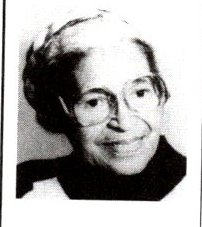
|Rosa Parks|She was born in 1913 and grew up during a time when people of color were oppressed(压迫). On December 1st, 1955, Rosa Parks was told to move to the back of the bus so that a white passenger could sit in her seat. However, she refused to do so. Her simple act made her a symbol of the civil rights movement (民权运动).|
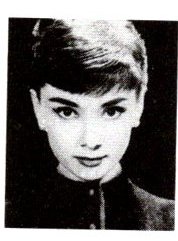
|Audrey Hepburn|During the 1950s and 1960s, Hepburn was considered one of the most famous women. She was a movie star. After she retired, she used her celebrity(名声) to do good deeds. She was a supporter of UNICEF and other charity organizations until her death in 1993.|
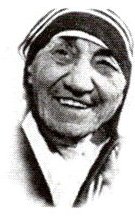
|Mother Teresa|She was born in 1910, and during her long lifetime she helped thousands of people who were sick, starving(饥饿) and hurting. She offered selfless service to people in need without asking for any return. She was awarded the Nobel Peace Prize in 1979 because of her kindness.|
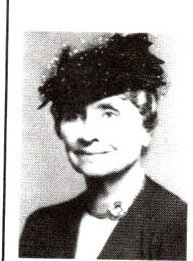
|Helen Keller|Born in 1880, Keller went deaf and blind when she was only 19 months old. With the help of a good teacher, Keller learned how to communicate with others very well. She set a good example for those with disabilities(残疾).|
根据短文内容,选择最佳答案。
( )1. Why did Rosa Parks refuse to move to the back of the bus?
A. Because she didn’t belong to people of color.
B. Because she didn’t want to be ordered by the rude driver.
C. Because she didn’t want to sit next to a white passenger.
D. Because she wanted to do the right thing.
( )2. Who used her celebrity to do good deeds after retiring?
A. Rosa Parks.
B. Audrey Hepburn.
C. Mother Teresa.
D. Helen Keller.
( )3. What does the underlined word “selfless” mean in Chinese?
A. 无私的 B. 自私的
C. 有利的 D. 有偿的
( )4. Which of the following is NOT mentioned in the passage?
A. What Audrey Hepburn did after she retired.
B. When Mother Teresa won the Nobel Peace Prize.
C. Who taught Helen Keller to communicate well.
D. Why Helen Keller loved writing and wanted to be a writer.
( )5. What’s the main idea of the passage?
A. It’s about four men admired by people.
B. It’s about four great women in history.
C. It’s about four women supporting charity.
D. It’s about four women who won the Nobel Peace Prize.
|Rosa Parks|She was born in 1913 and grew up during a time when people of color were oppressed(压迫). On December 1st, 1955, Rosa Parks was told to move to the back of the bus so that a white passenger could sit in her seat. However, she refused to do so. Her simple act made her a symbol of the civil rights movement (民权运动).|
|Audrey Hepburn|During the 1950s and 1960s, Hepburn was considered one of the most famous women. She was a movie star. After she retired, she used her celebrity(名声) to do good deeds. She was a supporter of UNICEF and other charity organizations until her death in 1993.|
|Mother Teresa|She was born in 1910, and during her long lifetime she helped thousands of people who were sick, starving(饥饿) and hurting. She offered selfless service to people in need without asking for any return. She was awarded the Nobel Peace Prize in 1979 because of her kindness.|
|Helen Keller|Born in 1880, Keller went deaf and blind when she was only 19 months old. With the help of a good teacher, Keller learned how to communicate with others very well. She set a good example for those with disabilities(残疾).|
根据短文内容,选择最佳答案。
( )1. Why did Rosa Parks refuse to move to the back of the bus?
A. Because she didn’t belong to people of color.
B. Because she didn’t want to be ordered by the rude driver.
C. Because she didn’t want to sit next to a white passenger.
D. Because she wanted to do the right thing.
( )2. Who used her celebrity to do good deeds after retiring?
A. Rosa Parks.
B. Audrey Hepburn.
C. Mother Teresa.
D. Helen Keller.
( )3. What does the underlined word “selfless” mean in Chinese?
A. 无私的 B. 自私的
C. 有利的 D. 有偿的
( )4. Which of the following is NOT mentioned in the passage?
A. What Audrey Hepburn did after she retired.
B. When Mother Teresa won the Nobel Peace Prize.
C. Who taught Helen Keller to communicate well.
D. Why Helen Keller loved writing and wanted to be a writer.
( )5. What’s the main idea of the passage?
A. It’s about four men admired by people.
B. It’s about four great women in history.
C. It’s about four women supporting charity.
D. It’s about four women who won the Nobel Peace Prize.
答案:
1. D 由第一句可知,Rosa Parks被要求坐在汽车后面是因为她是有色人种,她拒绝让座是因为她反对种族歧视。2. B 由第二行中“After she retired, she used her celebrity(名声)to do good deeds.”可知,Audrey Hepburn在退休后利用自己的声誉做了很多好事。3. A 由下文“without asking for any return”可推知,selfless意为“无私的”。4. D 综合材料内容可知,文中没有提到为什么Helen Keller喜欢写作。5. B 文章主要介绍4位历史上的伟大女性。
查看更多完整答案,请扫码查看

