

 搜索
搜索
第162页
- 第1页
- 第2页
- 第3页
- 第4页
- 第5页
- 第6页
- 第7页
- 第8页
- 第9页
- 第10页
- 第11页
- 第12页
- 第13页
- 第14页
- 第15页
- 第16页
- 第17页
- 第18页
- 第19页
- 第20页
- 第21页
- 第22页
- 第23页
- 第24页
- 第25页
- 第26页
- 第27页
- 第28页
- 第29页
- 第30页
- 第31页
- 第32页
- 第33页
- 第34页
- 第35页
- 第36页
- 第37页
- 第38页
- 第39页
- 第40页
- 第41页
- 第42页
- 第43页
- 第44页
- 第45页
- 第46页
- 第47页
- 第48页
- 第49页
- 第50页
- 第51页
- 第52页
- 第53页
- 第54页
- 第55页
- 第56页
- 第57页
- 第58页
- 第59页
- 第60页
- 第61页
- 第62页
- 第63页
- 第64页
- 第65页
- 第66页
- 第67页
- 第68页
- 第69页
- 第70页
- 第71页
- 第72页
- 第73页
- 第74页
- 第75页
- 第76页
- 第77页
- 第78页
- 第79页
- 第80页
- 第81页
- 第82页
- 第83页
- 第84页
- 第85页
- 第86页
- 第87页
- 第88页
- 第89页
- 第90页
- 第91页
- 第92页
- 第93页
- 第94页
- 第95页
- 第96页
- 第97页
- 第98页
- 第99页
- 第100页
- 第101页
- 第102页
- 第103页
- 第104页
- 第105页
- 第106页
- 第107页
- 第108页
- 第109页
- 第110页
- 第111页
- 第112页
- 第113页
- 第114页
- 第115页
- 第116页
- 第117页
- 第118页
- 第119页
- 第120页
- 第121页
- 第122页
- 第123页
- 第124页
- 第125页
- 第126页
- 第127页
- 第128页
- 第129页
- 第130页
- 第131页
- 第132页
- 第133页
- 第134页
- 第135页
- 第136页
- 第137页
- 第138页
- 第139页
- 第140页
- 第141页
- 第142页
- 第143页
- 第144页
- 第145页
- 第146页
- 第147页
- 第148页
- 第149页
- 第150页
- 第151页
- 第152页
- 第153页
- 第154页
- 第155页
- 第156页
- 第157页
- 第158页
- 第159页
- 第160页
- 第161页
- 第162页
- 第163页
- 第164页
- 第165页
- 第166页
- 第167页
- 第168页
- 第169页
- 第170页
- 第171页
- 第172页
- 第173页
- 第174页
- 第175页
- 第176页
- 第177页
- 第178页
- 第179页
- 第180页
- 第181页
- 第182页
- 第183页
假如你是北京国际学校的一名学生,在英语课上,你和同学们以“北京的名胜古迹”为话题展开讨论,请你根据下面表格中的信息,用英语写一篇短文,介绍北京历史文化发展的重要舞台——胡同(Hutong)。
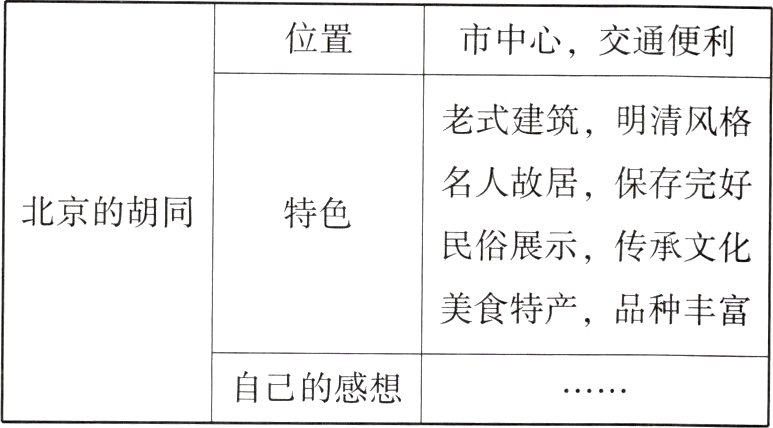
要求:1. 内容完整,意思连贯。
2. 80个词左右。
3. 不可逐句翻译。
提示词:convenient(便利的), former home(故居), folk custom(民俗), special local product(特产)
题型分析:此次写作主要采用第三人称,用一般现在时来介绍北京历史文化发展的重要舞台——胡同。
行文思路:本次写作可以分三部分来行文。第一部分介绍胡同在北京的地理位置(lie in...);第二部分介绍北京胡同的特色(“be famous for...” “used to” “be well protected and attract...” “folk custom shows...” “enjoy local food and products”);第三部分表达自己的感想(be proud of...)。
高分点拨:行文过程中注意句与句之间的衔接,不可逐句翻译。定语从句等复杂句式的使用可以增加本文的亮点。因本文是一篇发言稿,在介绍完以后,以“It's well worth visiting.”来结尾会使文章更加完整。
佳作展示:
要求:1. 内容完整,意思连贯。
2. 80个词左右。
3. 不可逐句翻译。
提示词:convenient(便利的), former home(故居), folk custom(民俗), special local product(特产)
题型分析:此次写作主要采用第三人称,用一般现在时来介绍北京历史文化发展的重要舞台——胡同。
行文思路:本次写作可以分三部分来行文。第一部分介绍胡同在北京的地理位置(lie in...);第二部分介绍北京胡同的特色(“be famous for...” “used to” “be well protected and attract...” “folk custom shows...” “enjoy local food and products”);第三部分表达自己的感想(be proud of...)。
高分点拨:行文过程中注意句与句之间的衔接,不可逐句翻译。定语从句等复杂句式的使用可以增加本文的亮点。因本文是一篇发言稿,在介绍完以后,以“It's well worth visiting.”来结尾会使文章更加完整。
佳作展示:
答案:
范文
Among the modern buildings in Beijing, there are some special ones called Hutong. Hutong usually lies in the city center and the traffic is convenient.
It’s famous for old buildings in the style of the Ming and Qing Dynasties. Many famous persons in history used to live here. Their former homes are well protected and attract lots of people at home and abroad. Much wonderful folk custom shows the culture of Beijing that passed on. Besides, the visitors can enjoy different kinds of delicious food and special local products.
I’m proud of the great places of interest in my city. It’s well worth visiting.
Among the modern buildings in Beijing, there are some special ones called Hutong. Hutong usually lies in the city center and the traffic is convenient.
It’s famous for old buildings in the style of the Ming and Qing Dynasties. Many famous persons in history used to live here. Their former homes are well protected and attract lots of people at home and abroad. Much wonderful folk custom shows the culture of Beijing that passed on. Besides, the visitors can enjoy different kinds of delicious food and special local products.
I’m proud of the great places of interest in my city. It’s well worth visiting.
查看更多完整答案,请扫码查看

