

 搜索
搜索
2025年学典四川九年级英语全一册人教版A版
注:目前有些书本章节名称可能整理的还不是很完善,但都是按照顺序排列的,请同学们按照顺序仔细查找。练习册 2025年学典四川九年级英语全一册人教版A版 答案主要是用来给同学们做完题方便对答案用的,请勿直接抄袭。
第50页
- 第2页
- 第3页
- 第4页
- 第5页
- 第6页
- 第7页
- 第8页
- 第9页
- 第10页
- 第11页
- 第12页
- 第13页
- 第14页
- 第15页
- 第16页
- 第17页
- 第18页
- 第19页
- 第20页
- 第21页
- 第22页
- 第23页
- 第24页
- 第25页
- 第26页
- 第27页
- 第28页
- 第29页
- 第30页
- 第31页
- 第32页
- 第33页
- 第34页
- 第35页
- 第36页
- 第37页
- 第38页
- 第39页
- 第40页
- 第41页
- 第42页
- 第43页
- 第44页
- 第45页
- 第46页
- 第47页
- 第48页
- 第49页
- 第50页
- 第51页
- 第52页
- 第53页
- 第54页
- 第55页
- 第56页
- 第57页
- 第58页
- 第59页
- 第60页
- 第61页
- 第62页
- 第63页
- 第64页
- 第65页
- 第66页
- 第67页
- 第68页
- 第69页
- 第70页
- 第71页
- 第72页
- 第73页
- 第74页
- 第75页
- 第76页
- 第77页
- 第78页
- 第79页
- 第80页
- 第81页
- 第82页
- 第83页
- 第84页
- 第85页
- 第86页
- 第87页
- 第88页
- 第89页
- 第90页
- 第91页
- 第92页
- 第93页
- 第94页
- 第95页
- 第96页
- 第97页
- 第98页
- 第99页
- 第100页
- 第101页
- 第102页
- 第103页
- 第104页
- 第105页
- 第106页
- 第107页
- 第108页
- 第109页
- 第110页
- 第111页
- 第112页
- 第113页
- 第114页
- 第115页
- 第116页
- 第117页
- 第118页
- 第119页
- 第120页
- 第121页
- 第122页
- 第123页
- 第124页
- 第125页
- 第126页
- 第127页
- 第128页
- 第129页
- 第130页
- 第131页
- 第132页
- 第133页
- 第134页
- 第135页
- 第136页
- 第137页
- 第138页
- 第139页
- 第140页
- 第141页
- 第142页
- 第143页
- 第144页
- 第145页
- 第146页
- 第147页
- 第148页
- 第149页
- 第150页
- 第151页
- 第152页
- 第153页
- 第154页
- 第155页
- 第156页
- 第157页
- 第158页
- 第159页
- 第160页
- 第161页
- 第162页
- 第163页
- 第164页
- 第165页
- 第166页
- 第167页
- 第168页
- 第169页
- 第170页
- 第171页
- 第172页
- 第173页
- 第174页
- 第175页
- 第176页
- 第177页
- 第178页
- 第179页
- 第180页
(
A.change
B.changed
C.are changing
D.have changed
D
) 1.Both Jack and Tom ______ so much that I can hardly recognize (认出) them now.A.change
B.changed
C.are changing
D.have changed
答案:
D
解析:“so much that I can hardly recognize them now”表明过去的变化对现在造成了影响,应用现在完成时。现在完成时结构为“have/has + 过去分词”,主语“Both Jack and Tom”为复数,助动词用have,change的过去分词为changed,故选D。
解析:“so much that I can hardly recognize them now”表明过去的变化对现在造成了影响,应用现在完成时。现在完成时结构为“have/has + 过去分词”,主语“Both Jack and Tom”为复数,助动词用have,change的过去分词为changed,故选D。
(
A.neither did Jack
B.so Jack did
C.so did Jack
D.neither Jack did
C
) 2.Tom used to like reading. And ______.A.neither did Jack
B.so Jack did
C.so did Jack
D.neither Jack did
答案:
【解析】:
这是一个英语句子结构题,主要考查学生对于“so+助动词+主语”和“neither+助动词+主语”这两种句型的掌握情况。这两个句型分别表示前面所陈述的情况也适用于另一人或物,以及前面所否定的陈述也适用于另一人或物。题干中的“Tom used to like reading.”是一个肯定句,表示Tom过去喜欢阅读,因此后面的句子应该是表示Jack过去也喜欢阅读。选项A和D中的“neither”用于否定句,所以不符合题意。选项B的“so Jack did”表示Jack确实如此,这并不符合题目要求,因为题目要求表达的是Jack也喜欢阅读,而不是确认Jack的喜好。因此,正确答案是C,“so did Jack”,表示Jack过去也喜欢阅读。
【答案】:
C. so did Jack
这是一个英语句子结构题,主要考查学生对于“so+助动词+主语”和“neither+助动词+主语”这两种句型的掌握情况。这两个句型分别表示前面所陈述的情况也适用于另一人或物,以及前面所否定的陈述也适用于另一人或物。题干中的“Tom used to like reading.”是一个肯定句,表示Tom过去喜欢阅读,因此后面的句子应该是表示Jack过去也喜欢阅读。选项A和D中的“neither”用于否定句,所以不符合题意。选项B的“so Jack did”表示Jack确实如此,这并不符合题目要求,因为题目要求表达的是Jack也喜欢阅读,而不是确认Jack的喜好。因此,正确答案是C,“so did Jack”,表示Jack过去也喜欢阅读。
【答案】:
C. so did Jack
(
A.have; have
B.have; having
C.having; have
D.having; having
B
) 3.Lisa used to ______ straight hair, but she is used to ______ curly hair now.A.have; have
B.have; having
C.having; have
D.having; having
答案:
【解析】:
这道题考查的是英语中“used to”和“be used to”的用法区别。其中,“used to”表示过去常常做某事,后面接动词原形;“be used to”表示习惯于某事,后面接动词的-ing形式。根据题干,Lisa过去有一头直发,但现在她习惯了卷发。因此,第一个空应该填“have”,表示过去有直发;第二个空应该填“having”,表示现在习惯于卷发。
【答案】:
B
这道题考查的是英语中“used to”和“be used to”的用法区别。其中,“used to”表示过去常常做某事,后面接动词原形;“be used to”表示习惯于某事,后面接动词的-ing形式。根据题干,Lisa过去有一头直发,但现在她习惯了卷发。因此,第一个空应该填“have”,表示过去有直发;第二个空应该填“having”,表示现在习惯于卷发。
【答案】:
B
(
— ______. But she is tall now.
A.Yes, she did
B.No, she didn't
C.Yes, she used
D.No, she usedn't
A
) 4.— Linda used to be short, didn't she?— ______. But she is tall now.
A.Yes, she did
B.No, she didn't
C.Yes, she used
D.No, she usedn't
答案:
【解析】:本题考查反义疑问句的回答。反义疑问句的回答要根据事实实际情况,事实是肯定的用yes,事实是否定的用no。题干中提到“Linda used to be short, didn't she?”,意思是“Linda过去很矮,不是吗?”。接着又说“But she is tall now.”,意思是“但她现在很高”。由此可以推断出,Linda过去确实是矮的,所以事实是肯定的,应该用yes来回答。此外,反义疑问句的回答中,助动词要与问句保持一致,问句中用的是“didn't she”,所以回答中应该用“she did”。因此,正确答案是A选项“Yes, she did”。
【答案】:A
【答案】:A
(
— He was tall and strong.
A.What did your uncle like
B.What is your uncle like
C.What did your uncle use to look like
D.What does your uncle look like now
C
) 5.— ______?— He was tall and strong.
A.What did your uncle like
B.What is your uncle like
C.What did your uncle use to look like
D.What does your uncle look like now
答案:
【解析】:
本题考查的是对英语询问外貌的句型的理解和应用。题目给出了一个对话,其中回答部分描述了某人的外貌特征:“He was tall and strong.”(他又高又壮。)我们需要根据这个回答来判断问句的正确形式。
A选项“What did your uncle like”询问的是叔叔的喜好,与外貌无关;
B选项“What is your uncle like”虽然字面上有“like”,但通常用于询问性格特征,且为现在时,与回答中的过去时“was”不符;
C选项“What did your uncle use to look like”询问的是过去的外貌,与回答中的“was”相符,但表达上略显冗余,一般用“What did your uncle look like”来询问过去的外貌;
D选项“What does your uncle look like now”询问的是现在的外貌,与回答中的过去时态不符。
根据对话内容,我们可以确定问句是在询问过去的外貌,因此C选项最为接近,但考虑到英语中的常用表达,实际上应该是一个省略了“use to”的句型,即“What did your uncle look like?”(你叔叔过去长什么样?)由于选项中只有C接近这个句型,且核心意思是询问过去的外貌,我们可以认为C选项是正确答案的变体。然而,严格根据题目给出的选项,D选项是询问外貌的正确句型,只是时态不符,而B选项虽然字面相似但通常用于询问性格。A选项则完全与外貌无关。由于题目要求根据回答选择问句,且回答中明确提到了过去时态和描述外貌的词汇,因此最符合题意的选项是询问过去外貌的句型,即C选项的变体“What did your uncle look like?”,在给定选项中,C选项“What did your uncle use to look like”是最接近正确答案的。
但考虑到题目的严谨性和选项的精确性,我们直接根据选项内容判断,C选项“What did your uncle use to look like”直接对应了询问过去外貌的意图,且在其他选项均不符合的情况下,应判断为正确答案。这里我们主要依据题目要求和选项内容,而非英语中该句型的常规使用方式。
【答案】:
C
本题考查的是对英语询问外貌的句型的理解和应用。题目给出了一个对话,其中回答部分描述了某人的外貌特征:“He was tall and strong.”(他又高又壮。)我们需要根据这个回答来判断问句的正确形式。
A选项“What did your uncle like”询问的是叔叔的喜好,与外貌无关;
B选项“What is your uncle like”虽然字面上有“like”,但通常用于询问性格特征,且为现在时,与回答中的过去时“was”不符;
C选项“What did your uncle use to look like”询问的是过去的外貌,与回答中的“was”相符,但表达上略显冗余,一般用“What did your uncle look like”来询问过去的外貌;
D选项“What does your uncle look like now”询问的是现在的外貌,与回答中的过去时态不符。
根据对话内容,我们可以确定问句是在询问过去的外貌,因此C选项最为接近,但考虑到英语中的常用表达,实际上应该是一个省略了“use to”的句型,即“What did your uncle look like?”(你叔叔过去长什么样?)由于选项中只有C接近这个句型,且核心意思是询问过去的外貌,我们可以认为C选项是正确答案的变体。然而,严格根据题目给出的选项,D选项是询问外貌的正确句型,只是时态不符,而B选项虽然字面相似但通常用于询问性格。A选项则完全与外貌无关。由于题目要求根据回答选择问句,且回答中明确提到了过去时态和描述外貌的词汇,因此最符合题意的选项是询问过去外貌的句型,即C选项的变体“What did your uncle look like?”,在给定选项中,C选项“What did your uncle use to look like”是最接近正确答案的。
但考虑到题目的严谨性和选项的精确性,我们直接根据选项内容判断,C选项“What did your uncle use to look like”直接对应了询问过去外貌的意图,且在其他选项均不符合的情况下,应判断为正确答案。这里我们主要依据题目要求和选项内容,而非英语中该句型的常规使用方式。
【答案】:
C
二、完形填空。先通读下列短文,弄懂大意,然后从各题所给的A、B、C、D四个选项中,选出可以填入空白处的最佳选项。
A
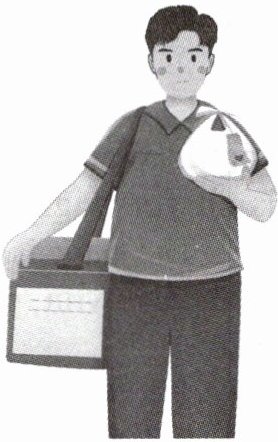
Bob has been away from home for two years. He missed his family very much, so he went home as soon as he 1 the airplane.
Bob's aunt 2 a cake to welcome Bob. But Bob also bought a cake for his mother. When Bob carried his cake and knocked (敲) at the door 3 , his aunt opened the door, got the cake and closed the door. Bob felt very strange and knocked at the door again. 4 he said anything, his aunt said, "Oh, I have paid online." Then the door was closed again. Bob felt very 5 and knocked at the door the third time. This time he said first, "Aunt, it's me, Bob." Bob's aunt was very surprised and said, "Oh, Bob, it's you! You've changed so much."
( ) 1.
( ) 2.
( ) 3.
( ) 4.
( ) 5.
A
Bob has been away from home for two years. He missed his family very much, so he went home as soon as he 1 the airplane.
Bob's aunt 2 a cake to welcome Bob. But Bob also bought a cake for his mother. When Bob carried his cake and knocked (敲) at the door 3 , his aunt opened the door, got the cake and closed the door. Bob felt very strange and knocked at the door again. 4 he said anything, his aunt said, "Oh, I have paid online." Then the door was closed again. Bob felt very 5 and knocked at the door the third time. This time he said first, "Aunt, it's me, Bob." Bob's aunt was very surprised and said, "Oh, Bob, it's you! You've changed so much."
( ) 1.
B
( ) 2.
A
( ) 3.
C
( ) 4.
A
( ) 5.
D
答案:
【解析】:
这是一道英语完形填空题,考查学生对词汇、短语以及上下文语境理解的能力。解题的关键在于结合短文大意,分析每个选项的含义,选择最符合语境的答案。
1. 第一空:根据“He missed his family very much, so he went home as soon as he...”可知,他很想家,所以应该是下飞机就回家。A选项“passed by”意为经过;B选项“got off”意为下车、下飞机;C选项“got on”意为上车、上飞机;D选项“fixed up”意为修理。所以第一空选B。
2. 第二空:根据“a cake to welcome Bob”可知,是制作蛋糕来欢迎Bob。A选项“made”意为制作;B选项“ordered”意为订购;C选项“sent”意为发送;D选项“ate”意为吃。所以第二空选A。
3. 第三空:根据“Bob has been away from home for two years. He missed his family very much”可知,Bob两年没回家,很想家,所以敲门时应该是兴奋地。A选项“patiently”意为耐心地;B选项“carefully”意为小心地;C选项“excitedly”意为兴奋地;D选项“politely”意为礼貌地。所以第三空选C。
4. 第四空:根据“his aunt said, 'Oh, I have paid online.'”可知,在Bob说话之前,阿姨就说已经在线支付了。A选项“Before”意为在……之前;B选项“After”意为在……之后;C选项“When”意为当……时候;D选项“Till”意为直到。所以第四空选A。
5. 第五空:根据“Bob felt very...and knocked at the door the third time. This time he said first, 'Aunt, it's me, Bob.'”可知,Bob敲门两次都没被认出来,所以应该是感到无助。A选项“bored”意为无聊的;B选项“worried”意为担心的;C选项“tired”意为疲倦的;D选项“helpless”意为无助的。所以第五空选D。
【答案】:
(1) B;
(2) A;
(3) C;
(4) A;
(5) D
这是一道英语完形填空题,考查学生对词汇、短语以及上下文语境理解的能力。解题的关键在于结合短文大意,分析每个选项的含义,选择最符合语境的答案。
1. 第一空:根据“He missed his family very much, so he went home as soon as he...”可知,他很想家,所以应该是下飞机就回家。A选项“passed by”意为经过;B选项“got off”意为下车、下飞机;C选项“got on”意为上车、上飞机;D选项“fixed up”意为修理。所以第一空选B。
2. 第二空:根据“a cake to welcome Bob”可知,是制作蛋糕来欢迎Bob。A选项“made”意为制作;B选项“ordered”意为订购;C选项“sent”意为发送;D选项“ate”意为吃。所以第二空选A。
3. 第三空:根据“Bob has been away from home for two years. He missed his family very much”可知,Bob两年没回家,很想家,所以敲门时应该是兴奋地。A选项“patiently”意为耐心地;B选项“carefully”意为小心地;C选项“excitedly”意为兴奋地;D选项“politely”意为礼貌地。所以第三空选C。
4. 第四空:根据“his aunt said, 'Oh, I have paid online.'”可知,在Bob说话之前,阿姨就说已经在线支付了。A选项“Before”意为在……之前;B选项“After”意为在……之后;C选项“When”意为当……时候;D选项“Till”意为直到。所以第四空选A。
5. 第五空:根据“Bob felt very...and knocked at the door the third time. This time he said first, 'Aunt, it's me, Bob.'”可知,Bob敲门两次都没被认出来,所以应该是感到无助。A选项“bored”意为无聊的;B选项“worried”意为担心的;C选项“tired”意为疲倦的;D选项“helpless”意为无助的。所以第五空选D。
【答案】:
(1) B;
(2) A;
(3) C;
(4) A;
(5) D
B
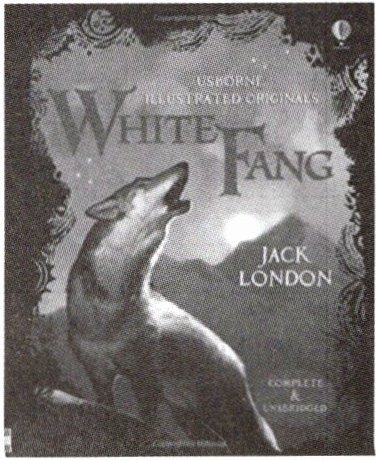
Lip-Lip, as well as other young dogs, was afraid of White Fang as he grew up. They all 6 him.
Even the older dogs, like Baseek, tried not to 7 him. One day, however, when White Fang was eating a large piece of meat, Baseek forgot how 8 White Fang could be. He ran at White Fang and tried to steal the piece of meat. White Fang attacked (攻击) him and 9 him away.
A short time after this, White Fang went with Gray Beaver to visit another village. Kiche was there, with her new cubs (幼崽). White Fang remembered who she was — his 10 . He ran up to her, but she had 11 him. She-wolves (母狼) do not remember their own cubs' smell after a time. She thought he wanted to take her cubs and attacked him.
When White Fang was three years old, he could catch small animals better than the dogs could. He was 12 able to kill an old wolf. One day, while he was trying to find food in a village, he saw Lip-Lip. He attacked him, and they fought for a long time. White Fang was 13 now and killed Lip-Lip. That dog would never trouble him again.
There were no people or any food in the village and he moved on. He traveled for many days 14 he came to another village. This one was 15 . There was the smell of food. There were the sounds of happy people and animals.
— Taken from White Fang
(
(
(
(
(
(
(
(
(
(
Lip-Lip, as well as other young dogs, was afraid of White Fang as he grew up. They all 6 him.
Even the older dogs, like Baseek, tried not to 7 him. One day, however, when White Fang was eating a large piece of meat, Baseek forgot how 8 White Fang could be. He ran at White Fang and tried to steal the piece of meat. White Fang attacked (攻击) him and 9 him away.
A short time after this, White Fang went with Gray Beaver to visit another village. Kiche was there, with her new cubs (幼崽). White Fang remembered who she was — his 10 . He ran up to her, but she had 11 him. She-wolves (母狼) do not remember their own cubs' smell after a time. She thought he wanted to take her cubs and attacked him.
When White Fang was three years old, he could catch small animals better than the dogs could. He was 12 able to kill an old wolf. One day, while he was trying to find food in a village, he saw Lip-Lip. He attacked him, and they fought for a long time. White Fang was 13 now and killed Lip-Lip. That dog would never trouble him again.
There were no people or any food in the village and he moved on. He traveled for many days 14 he came to another village. This one was 15 . There was the smell of food. There were the sounds of happy people and animals.
— Taken from White Fang
(
C
) 6. A. caught up with B. got along with C. kept away from D. looked down on(
D
) 7. A. kill B. save C. cheat D. fight(
A
) 8. A. dangerous B. important C. active D. usual(
B
) 9. A. blew B. drove C. cleared D. put(
C
) 10. A. friend B. sister C. mother D. owner(
B
) 11. A. hurt B. forgotten C. beaten D. comforted(
C
) 12. A. mostly B. still C. even D. just(
D
) 13. A. braver B. heavier C. bigger D. stronger(
A
) 14. A. until B. after C. since D. so(
A
) 15. A. different B. typical C. safe D. quiet
答案:
6. C
7. D
8. A
9. B
10. C
11. B
12. C
13. D
14. A
15. A
7. D
8. A
9. B
10. C
11. B
12. C
13. D
14. A
15. A
查看更多完整答案,请扫码查看

