

 搜索
搜索
2025年学典四川九年级英语全一册人教版A版
注:目前有些书本章节名称可能整理的还不是很完善,但都是按照顺序排列的,请同学们按照顺序仔细查找。练习册 2025年学典四川九年级英语全一册人教版A版 答案主要是用来给同学们做完题方便对答案用的,请勿直接抄袭。
第125页
- 第2页
- 第3页
- 第4页
- 第5页
- 第6页
- 第7页
- 第8页
- 第9页
- 第10页
- 第11页
- 第12页
- 第13页
- 第14页
- 第15页
- 第16页
- 第17页
- 第18页
- 第19页
- 第20页
- 第21页
- 第22页
- 第23页
- 第24页
- 第25页
- 第26页
- 第27页
- 第28页
- 第29页
- 第30页
- 第31页
- 第32页
- 第33页
- 第34页
- 第35页
- 第36页
- 第37页
- 第38页
- 第39页
- 第40页
- 第41页
- 第42页
- 第43页
- 第44页
- 第45页
- 第46页
- 第47页
- 第48页
- 第49页
- 第50页
- 第51页
- 第52页
- 第53页
- 第54页
- 第55页
- 第56页
- 第57页
- 第58页
- 第59页
- 第60页
- 第61页
- 第62页
- 第63页
- 第64页
- 第65页
- 第66页
- 第67页
- 第68页
- 第69页
- 第70页
- 第71页
- 第72页
- 第73页
- 第74页
- 第75页
- 第76页
- 第77页
- 第78页
- 第79页
- 第80页
- 第81页
- 第82页
- 第83页
- 第84页
- 第85页
- 第86页
- 第87页
- 第88页
- 第89页
- 第90页
- 第91页
- 第92页
- 第93页
- 第94页
- 第95页
- 第96页
- 第97页
- 第98页
- 第99页
- 第100页
- 第101页
- 第102页
- 第103页
- 第104页
- 第105页
- 第106页
- 第107页
- 第108页
- 第109页
- 第110页
- 第111页
- 第112页
- 第113页
- 第114页
- 第115页
- 第116页
- 第117页
- 第118页
- 第119页
- 第120页
- 第121页
- 第122页
- 第123页
- 第124页
- 第125页
- 第126页
- 第127页
- 第128页
- 第129页
- 第130页
- 第131页
- 第132页
- 第133页
- 第134页
- 第135页
- 第136页
- 第137页
- 第138页
- 第139页
- 第140页
- 第141页
- 第142页
- 第143页
- 第144页
- 第145页
- 第146页
- 第147页
- 第148页
- 第149页
- 第150页
- 第151页
- 第152页
- 第153页
- 第154页
- 第155页
- 第156页
- 第157页
- 第158页
- 第159页
- 第160页
- 第161页
- 第162页
- 第163页
- 第164页
- 第165页
- 第166页
- 第167页
- 第168页
- 第169页
- 第170页
- 第171页
- 第172页
- 第173页
- 第174页
- 第175页
- 第176页
- 第177页
- 第178页
- 第179页
- 第180页
五、阅读填空。根据短文内容,从短文后的选项中选出能填入空白处的最佳选项,选项中有一项为多余选项。
Repetition has a strange relationship with the mind. Take the experience of déjà vu for example. We wrongly believe that we have experienced a situation in the past. Déjà vu is like a signal(信号)telling something is not right. 1 But repetition can do something even more strange and unusual. The opposite of déjà vu is "jamais vu". 2 For example, musicians might get lost in a very familiar song.
A research team did two experiments about this. In the first one, 94 college students were asked to repeatedly write the same word. 3 The students were asked to copy out the word as quickly as possible. And they were allowed to stop. After the experiment, they needed to tell the reason why they stopped. About 70% of the students stopped because the word made them feel strange. In the second one, only the word "the" — the most common one in English — was used. 4
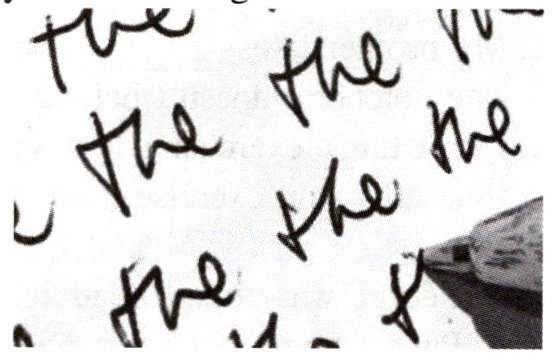
Scientists say the feeling of jamais vu might be a kind of reminder from the brain. 5 So it tells you to stop and do something meaningful. The study may lead to more research and help us understand this strange phenomenon(现象)better.
A. It's a way to check if our memory is correct.
B. Twelve words were given, such as "door" and "sward".
C. Have you ever seen a word and suddenly found it strange?
D. It gets angry when you keep doing the same thing endlessly.
E. Sometimes, we feel something familiar is strange and unreal.
F. This time, 55% of the students stopped writing for the same reason.
| 1. | 2. | 3. | 4. | 5. |
Repetition has a strange relationship with the mind. Take the experience of déjà vu for example. We wrongly believe that we have experienced a situation in the past. Déjà vu is like a signal(信号)telling something is not right. 1 But repetition can do something even more strange and unusual. The opposite of déjà vu is "jamais vu". 2 For example, musicians might get lost in a very familiar song.
A research team did two experiments about this. In the first one, 94 college students were asked to repeatedly write the same word. 3 The students were asked to copy out the word as quickly as possible. And they were allowed to stop. After the experiment, they needed to tell the reason why they stopped. About 70% of the students stopped because the word made them feel strange. In the second one, only the word "the" — the most common one in English — was used. 4
Scientists say the feeling of jamais vu might be a kind of reminder from the brain. 5 So it tells you to stop and do something meaningful. The study may lead to more research and help us understand this strange phenomenon(现象)better.
A. It's a way to check if our memory is correct.
B. Twelve words were given, such as "door" and "sward".
C. Have you ever seen a word and suddenly found it strange?
D. It gets angry when you keep doing the same thing endlessly.
E. Sometimes, we feel something familiar is strange and unreal.
F. This time, 55% of the students stopped writing for the same reason.
| 1. | 2. | 3. | 4. | 5. |
答案:
【解析】:
这是一道英语阅读填空题,主要考查学生对文章内容的理解以及上下文逻辑关系的把握。解题的关键在于通读短文,理解每个空白处所需内容的语义和逻辑,然后从选项中找出最符合的答案。
1. 前文提到“Déjà vu is like a signal(信号)telling something is not right.”,即似曾相识的感觉就像一个信号,告诉我们有些事情不对劲。A选项“It’s a way to check if our memory is correct.”(这是一种检查我们记忆是否正确的方法)进一步解释了这种信号的作用,即检查记忆是否正确,符合上下文逻辑。
2. 前文提到“The opposite of déjà vu is ‘jamais vu’.”,即似曾相识的反面是“既视感的反面(jamais vu)”。后文举例“For example, musicians might get lost in a very familiar song.”,即音乐家可能会在一首非常熟悉的歌曲中迷失。E选项“Sometimes, we feel something familiar is strange and unreal.”(有时,我们觉得熟悉的东西变得奇怪且不真实)能够很好地引出后文的例子,符合逻辑。
3. 前文提到“In the first one, 94 college students were asked to repeatedly write the same word.”,即在第一个实验中,94名大学生被要求反复写同一个单词。后文提到“The students were asked to copy out the word as quickly as possible.”,即学生们被要求尽可能快地抄写这个单词。B选项“Twelve words were given, such as ‘door’ and ‘sward’.”(给出了12个单词,比如‘door’和‘sward’)与前文实验内容相呼应,但后文提到是写同一个单词,这里可能是出题者想表达在实验开始时给出了一些单词供选择,然后选定一个让同学们反复写,此选项符合上下文语境。
4. 前文提到“In the second one, only the word ‘the’ — the most common one in English — was used.”,即在第二个实验中,只使用了英语中最常见的单词“the”。F选项“This time, 55% of the students stopped writing for the same reason.”(这次,55%的学生因为同样的原因停止了书写)与前文第一个实验的结果“About 70% of the students stopped because the word made them feel strange.”(大约70%的学生因为这个词让他们觉得奇怪而停止)相呼应,符合逻辑。
5. 前文提到“Scientists say the feeling of jamais vu might be a kind of reminder from the brain.”,即科学家说既视感的反面这种感觉可能是大脑的一种提醒。后文提到“So it tells you to stop and do something meaningful.”,即所以它告诉你停止并做一些有意义的事情。D选项“It gets angry when you keep doing the same thing endlessly.”(当你无休止地做同一件事时,它会生气)将大脑的提醒拟人化,解释了为什么大脑会发出提醒,符合上下文逻辑。
【答案】:
1. A;2. E;3. B;4. F;5. D
这是一道英语阅读填空题,主要考查学生对文章内容的理解以及上下文逻辑关系的把握。解题的关键在于通读短文,理解每个空白处所需内容的语义和逻辑,然后从选项中找出最符合的答案。
1. 前文提到“Déjà vu is like a signal(信号)telling something is not right.”,即似曾相识的感觉就像一个信号,告诉我们有些事情不对劲。A选项“It’s a way to check if our memory is correct.”(这是一种检查我们记忆是否正确的方法)进一步解释了这种信号的作用,即检查记忆是否正确,符合上下文逻辑。
2. 前文提到“The opposite of déjà vu is ‘jamais vu’.”,即似曾相识的反面是“既视感的反面(jamais vu)”。后文举例“For example, musicians might get lost in a very familiar song.”,即音乐家可能会在一首非常熟悉的歌曲中迷失。E选项“Sometimes, we feel something familiar is strange and unreal.”(有时,我们觉得熟悉的东西变得奇怪且不真实)能够很好地引出后文的例子,符合逻辑。
3. 前文提到“In the first one, 94 college students were asked to repeatedly write the same word.”,即在第一个实验中,94名大学生被要求反复写同一个单词。后文提到“The students were asked to copy out the word as quickly as possible.”,即学生们被要求尽可能快地抄写这个单词。B选项“Twelve words were given, such as ‘door’ and ‘sward’.”(给出了12个单词,比如‘door’和‘sward’)与前文实验内容相呼应,但后文提到是写同一个单词,这里可能是出题者想表达在实验开始时给出了一些单词供选择,然后选定一个让同学们反复写,此选项符合上下文语境。
4. 前文提到“In the second one, only the word ‘the’ — the most common one in English — was used.”,即在第二个实验中,只使用了英语中最常见的单词“the”。F选项“This time, 55% of the students stopped writing for the same reason.”(这次,55%的学生因为同样的原因停止了书写)与前文第一个实验的结果“About 70% of the students stopped because the word made them feel strange.”(大约70%的学生因为这个词让他们觉得奇怪而停止)相呼应,符合逻辑。
5. 前文提到“Scientists say the feeling of jamais vu might be a kind of reminder from the brain.”,即科学家说既视感的反面这种感觉可能是大脑的一种提醒。后文提到“So it tells you to stop and do something meaningful.”,即所以它告诉你停止并做一些有意义的事情。D选项“It gets angry when you keep doing the same thing endlessly.”(当你无休止地做同一件事时,它会生气)将大脑的提醒拟人化,解释了为什么大脑会发出提醒,符合上下文逻辑。
【答案】:
1. A;2. E;3. B;4. F;5. D
查看更多完整答案,请扫码查看

