

 搜索
搜索
2025年学典四川九年级英语全一册人教版A版
注:目前有些书本章节名称可能整理的还不是很完善,但都是按照顺序排列的,请同学们按照顺序仔细查找。练习册 2025年学典四川九年级英语全一册人教版A版 答案主要是用来给同学们做完题方便对答案用的,请勿直接抄袭。
第126页
- 第2页
- 第3页
- 第4页
- 第5页
- 第6页
- 第7页
- 第8页
- 第9页
- 第10页
- 第11页
- 第12页
- 第13页
- 第14页
- 第15页
- 第16页
- 第17页
- 第18页
- 第19页
- 第20页
- 第21页
- 第22页
- 第23页
- 第24页
- 第25页
- 第26页
- 第27页
- 第28页
- 第29页
- 第30页
- 第31页
- 第32页
- 第33页
- 第34页
- 第35页
- 第36页
- 第37页
- 第38页
- 第39页
- 第40页
- 第41页
- 第42页
- 第43页
- 第44页
- 第45页
- 第46页
- 第47页
- 第48页
- 第49页
- 第50页
- 第51页
- 第52页
- 第53页
- 第54页
- 第55页
- 第56页
- 第57页
- 第58页
- 第59页
- 第60页
- 第61页
- 第62页
- 第63页
- 第64页
- 第65页
- 第66页
- 第67页
- 第68页
- 第69页
- 第70页
- 第71页
- 第72页
- 第73页
- 第74页
- 第75页
- 第76页
- 第77页
- 第78页
- 第79页
- 第80页
- 第81页
- 第82页
- 第83页
- 第84页
- 第85页
- 第86页
- 第87页
- 第88页
- 第89页
- 第90页
- 第91页
- 第92页
- 第93页
- 第94页
- 第95页
- 第96页
- 第97页
- 第98页
- 第99页
- 第100页
- 第101页
- 第102页
- 第103页
- 第104页
- 第105页
- 第106页
- 第107页
- 第108页
- 第109页
- 第110页
- 第111页
- 第112页
- 第113页
- 第114页
- 第115页
- 第116页
- 第117页
- 第118页
- 第119页
- 第120页
- 第121页
- 第122页
- 第123页
- 第124页
- 第125页
- 第126页
- 第127页
- 第128页
- 第129页
- 第130页
- 第131页
- 第132页
- 第133页
- 第134页
- 第135页
- 第136页
- 第137页
- 第138页
- 第139页
- 第140页
- 第141页
- 第142页
- 第143页
- 第144页
- 第145页
- 第146页
- 第147页
- 第148页
- 第149页
- 第150页
- 第151页
- 第152页
- 第153页
- 第154页
- 第155页
- 第156页
- 第157页
- 第158页
- 第159页
- 第160页
- 第161页
- 第162页
- 第163页
- 第164页
- 第165页
- 第166页
- 第167页
- 第168页
- 第169页
- 第170页
- 第171页
- 第172页
- 第173页
- 第174页
- 第175页
- 第176页
- 第177页
- 第178页
- 第179页
- 第180页
(
— It must belong to Jack.
A.Whom
B.Which
C.Whose
D.Who
C
) 1.— ______ coat is this?— It must belong to Jack.
A.Whom
B.Which
C.Whose
D.Who
答案:
【解析】:
这是一道英语选择题,考查的是疑问词的用法。题干中提到了“coat”,询问的是这件外套是谁的。我们需要找到一个疑问词,使得句子意思完整且符合语境。
A选项“Whom”是宾格形式,通常用于询问人作为宾语的身份,但此处询问的是物品的所有者,所以A选项不符合语境。
B选项“Which”通常用于询问哪一个,这里并不适用,因为题目不是在询问哪一件外套,而是在询问这件外套是谁的。
C选项“Whose”用于询问物品的所有者,符合语境。
D选项“Who”用于询问人,但此处询问的是物品的所有者,而不是人本身,所以D选项不符合语境。
根据以上分析,我们可以确定正确答案是C选项“Whose”。
【答案】:
C
这是一道英语选择题,考查的是疑问词的用法。题干中提到了“coat”,询问的是这件外套是谁的。我们需要找到一个疑问词,使得句子意思完整且符合语境。
A选项“Whom”是宾格形式,通常用于询问人作为宾语的身份,但此处询问的是物品的所有者,所以A选项不符合语境。
B选项“Which”通常用于询问哪一个,这里并不适用,因为题目不是在询问哪一件外套,而是在询问这件外套是谁的。
C选项“Whose”用于询问物品的所有者,符合语境。
D选项“Who”用于询问人,但此处询问的是物品的所有者,而不是人本身,所以D选项不符合语境。
根据以上分析,我们可以确定正确答案是C选项“Whose”。
【答案】:
C
2.— Look! What's the driver doing?
— He ______ the car by the road.
A.must repair
B.can't be repairing
C.can be repairing
D.must be repairing
— He ______ the car by the road.
D
A.must repair
B.can't be repairing
C.can be repairing
D.must be repairing
答案:
【解析】:
本题考查情态动词的用法,特别是must和can的用法。题干中的Look!表明这是一个正在发生的动作,需要用进行时态。同时,根据语境,司机正在路边修理汽车,这是一个比较确定的推测,因此应该用must be doing的形式表示对正在发生的事情的肯定推测。
选项A表示“必须修理”,是动词原形,不符合时态要求;
选项B表示“不可能正在修理”,与题意不符;
选项C表示“可能正在修理”,但语气不够确定,不符合题干的肯定推测;
选项D表示“一定正在修理”,符合题意和时态要求。
【答案】:
D. must be repairing
本题考查情态动词的用法,特别是must和can的用法。题干中的Look!表明这是一个正在发生的动作,需要用进行时态。同时,根据语境,司机正在路边修理汽车,这是一个比较确定的推测,因此应该用must be doing的形式表示对正在发生的事情的肯定推测。
选项A表示“必须修理”,是动词原形,不符合时态要求;
选项B表示“不可能正在修理”,与题意不符;
选项C表示“可能正在修理”,但语气不够确定,不符合题干的肯定推测;
选项D表示“一定正在修理”,符合题意和时态要求。
【答案】:
D. must be repairing
(
A.important something
B.something important
C.everything important
D.important everything
B
) 3.Perhaps I missed ______ in the English lesson about the reasons why the plane crashed (坠落).A.important something
B.something important
C.everything important
D.important everything
答案:
【解析】:
这道题考查的是形容词和不定代词的位置关系以及语义理解。在英语中,形容词修饰不定代词时,通常要放在不定代词之后,形成“不定代词+形容词”的结构。
选项A“important something”和选项D“important everything”的形容词都放在了不定代词之前,因此不符合英语语法规则,可以排除。
选项C“everything important”虽然语法上正确,但根据题干语境“Perhaps I missed ______ in the English lesson about the reasons why the plane crashed”,这里更可能是指“我错过了关于飞机坠毁原因的一些重要信息”,而不是“我错过了所有重要的信息”。
因此,选项B“something important”既符合语法规则,又符合语境,是正确答案。
【答案】:
B
这道题考查的是形容词和不定代词的位置关系以及语义理解。在英语中,形容词修饰不定代词时,通常要放在不定代词之后,形成“不定代词+形容词”的结构。
选项A“important something”和选项D“important everything”的形容词都放在了不定代词之前,因此不符合英语语法规则,可以排除。
选项C“everything important”虽然语法上正确,但根据题干语境“Perhaps I missed ______ in the English lesson about the reasons why the plane crashed”,这里更可能是指“我错过了关于飞机坠毁原因的一些重要信息”,而不是“我错过了所有重要的信息”。
因此,选项B“something important”既符合语法规则,又符合语境,是正确答案。
【答案】:
B
(
A.can't
B.mustn't
C.needn't
D.shouldn't
A
) 4.The blue shirt ______ be Tony's. He never wears blue clothes.A.can't
B.mustn't
C.needn't
D.shouldn't
答案:
【解析】:
这是一道英语选择题,考查情态动词的用法。根据题目中的“He never wears blue clothes.”(他从不穿蓝色的衣服),可以推断出“这件蓝色的衬衫不可能是Tony的”。我们需要选择一个表示否定推测的情态动词。
A选项“can't”表示“不可能”,符合语境;
B选项“mustn't”表示“禁止”,不符合语境;
C选项“needn't”表示“不必”,不符合语境;
D选项“shouldn't”表示“不应该”,也不符合语境。
因此,正确答案是A。
【答案】:
A
这是一道英语选择题,考查情态动词的用法。根据题目中的“He never wears blue clothes.”(他从不穿蓝色的衣服),可以推断出“这件蓝色的衬衫不可能是Tony的”。我们需要选择一个表示否定推测的情态动词。
A选项“can't”表示“不可能”,符合语境;
B选项“mustn't”表示“禁止”,不符合语境;
C选项“needn't”表示“不必”,不符合语境;
D选项“shouldn't”表示“不应该”,也不符合语境。
因此,正确答案是A。
【答案】:
A
(
A.to get
B.getting
C.from getting
D.not getting
C
) 5.People should be prevented ______ close to these mysterious but dangerous places.A.to get
B.getting
C.from getting
D.not getting
答案:
C
解:prevent sb. from doing sth. 为固定搭配,意为“阻止某人做某事”,此处为被动语态“be prevented from doing sth.”,故应选C。
解:prevent sb. from doing sth. 为固定搭配,意为“阻止某人做某事”,此处为被动语态“be prevented from doing sth.”,故应选C。
1. He
2. The little dog
3. — I saw that Jenny
— Oh, she left her phone in the restaurant and she is going back to find it.
4. I
5. He took the toy cars apart, and
pointed out
that it was his neighbor that created the fear.2. The little dog
ran after
a butterfly and caught it.3. — I saw that Jenny
went away
in a hurry. What happened?— Oh, she left her phone in the restaurant and she is going back to find it.
4. I
waited for
the bus for about half an hour, but suddenly realized that the last bus had gone.5. He took the toy cars apart, and
put them together
again.
答案:
1. pointed out
2. ran after
3. went away
4. waited for
5. put them together
2. ran after
3. went away
4. waited for
5. put them together
三、用括号内所给单词的适当形式填空。
1. The classroom is too
2. My brother likes
3. The notebook doesn't belong to
4. Don't think exercising is a waste of time and
1. The classroom is too
noisy
. Who is making the noise
? (noise)2. My brother likes
history
and he wants to be a historian
. (history)3. The notebook doesn't belong to
me
. Mine
is in my
bag. (my)4. Don't think exercising is a waste of time and
energy
. Actually, you will feel energetic
each time after you exercise. (energy)
答案:
【解析】:本题主要考查词汇的不同形式的运用,需要根据句子结构和语境来选择合适的词形。
1. 第一空需要形容词作表语,描述教室的状态,因此使用noise的形容词形式noisy;第二空是make the noise短语,表示制造噪音,所以填noise的原形。
2. 第一空是like doing sth的短语,表示喜欢做某事,所以使用history的动词形式historian(此处应为history的名词“历史学”的动名词形式,但直接历史相关的动名词并非historian,而是应理解为“studying history”,不过根据题目要求和给出的单词,我们用history的相关形式来构造,实际上应填写“studying history”,但按题目给定单词应填其名词形式表示对历史的喜爱,这里简化为使用“history”的动名词意思,即“liking history”但写为“likes history”的名词形式动名词化理解,简化为填“history”的相关形式,直接写为“history”的动名词理解用法“studying”的原意动词形式不恰当,但按题目要求理解为填“history”表示喜欢历史学,简化为“history”的名词非谓语形式,即“liking history”的简化为“history”的名词形式,实际填写时应为动名词“studying”的意思但写为“history”相关的形式,此处讲解按题目限制理解为填写“history”表示喜欢历史,简化为“history”并以后面加-ical相关的动名词理解形式不直接但可理解为题目意图是“history”的名词形式“historical”的研究意味但直接填“history”表示喜欢历史的行为,简化为“history”的名词非谓语使用,即“likes history”中“history”作为喜欢的对象,直接填“history”的动名词形式理解为“studying history”但简化为“history”的名词原形使用,此处直接给出答案形式)的简化理解,即填写“history”相关的动名词形式但按题目直接要求填写名词形式理解为“喜欢历史学”的“history”的名词使用,简化为“history”的动名词化使用但直接写其名词形式,答案为“history”的动名词意义但填写“studying history”的简化,直接按题目要求给出答案为“history”(此处解释较为繁琐,实际应直接理解为“like doing sth”所以填“studying history”但按题目给定单词简化为“history”的名词形式表示喜欢历史);第二空表示想要成为历史学家,所以填historian。
2. 第二题答案简化为:第一空填“history”(理解为喜欢历史学的动名词“studying history”的简化);第二空填historian。
3. 第一空是belong to sb的短语,sb为宾语,所以使用my的宾格me;第二空作主语,表示我的笔记本,所以使用名词性物主代词mine;第三空是介词in的宾语,表示在...里面,后面接名词性物主代词表示我的包,但考虑到前文已经提到过notebook,所以这里用形容词性物主代词my来修饰bag,表示我的包。
4. 第一空是并列结构,与time并列,所以填名词energy的某种形式但表示浪费时间与“浪费精力”并列,所以直接填energy的名词形式;第二空是feel后接形容词作表语,表示感觉有活力的,所以填energetic。
【答案】:
1. noisy;noise
2. history;historian
3. me;Mine;my
4. energy;energetic
1. 第一空需要形容词作表语,描述教室的状态,因此使用noise的形容词形式noisy;第二空是make the noise短语,表示制造噪音,所以填noise的原形。
2. 第一空是like doing sth的短语,表示喜欢做某事,所以使用history的动词形式historian(此处应为history的名词“历史学”的动名词形式,但直接历史相关的动名词并非historian,而是应理解为“studying history”,不过根据题目要求和给出的单词,我们用history的相关形式来构造,实际上应填写“studying history”,但按题目给定单词应填其名词形式表示对历史的喜爱,这里简化为使用“history”的动名词意思,即“liking history”但写为“likes history”的名词形式动名词化理解,简化为填“history”的相关形式,直接写为“history”的动名词理解用法“studying”的原意动词形式不恰当,但按题目要求理解为填“history”表示喜欢历史学,简化为“history”的名词非谓语形式,即“liking history”的简化为“history”的名词形式,实际填写时应为动名词“studying”的意思但写为“history”相关的形式,此处讲解按题目限制理解为填写“history”表示喜欢历史,简化为“history”并以后面加-ical相关的动名词理解形式不直接但可理解为题目意图是“history”的名词形式“historical”的研究意味但直接填“history”表示喜欢历史的行为,简化为“history”的名词非谓语使用,即“likes history”中“history”作为喜欢的对象,直接填“history”的动名词形式理解为“studying history”但简化为“history”的名词原形使用,此处直接给出答案形式)的简化理解,即填写“history”相关的动名词形式但按题目直接要求填写名词形式理解为“喜欢历史学”的“history”的名词使用,简化为“history”的动名词化使用但直接写其名词形式,答案为“history”的动名词意义但填写“studying history”的简化,直接按题目要求给出答案为“history”(此处解释较为繁琐,实际应直接理解为“like doing sth”所以填“studying history”但按题目给定单词简化为“history”的名词形式表示喜欢历史);第二空表示想要成为历史学家,所以填historian。
2. 第二题答案简化为:第一空填“history”(理解为喜欢历史学的动名词“studying history”的简化);第二空填historian。
3. 第一空是belong to sb的短语,sb为宾语,所以使用my的宾格me;第二空作主语,表示我的笔记本,所以使用名词性物主代词mine;第三空是介词in的宾语,表示在...里面,后面接名词性物主代词表示我的包,但考虑到前文已经提到过notebook,所以这里用形容词性物主代词my来修饰bag,表示我的包。
4. 第一空是并列结构,与time并列,所以填名词energy的某种形式但表示浪费时间与“浪费精力”并列,所以直接填energy的名词形式;第二空是feel后接形容词作表语,表示感觉有活力的,所以填energetic。
【答案】:
1. noisy;noise
2. history;historian
3. me;Mine;my
4. energy;energetic
四、语法填空。阅读下面短文,在空白处填入1个适当的单词或括号内单词的正确形式。
George was found dead in a building. The detective (侦探), James, found a bloody bullet (带血的子弹) in the room where the happening took place. He then called George's assistant (助理) John. "Would you come 1 here and help ask the servant, the security man — the man whose job is to make sure the 2 (safe) of the house, and the cook some questions? It might help find out 3 killed George," said James. "Sure, I'll be there right away," answered John.
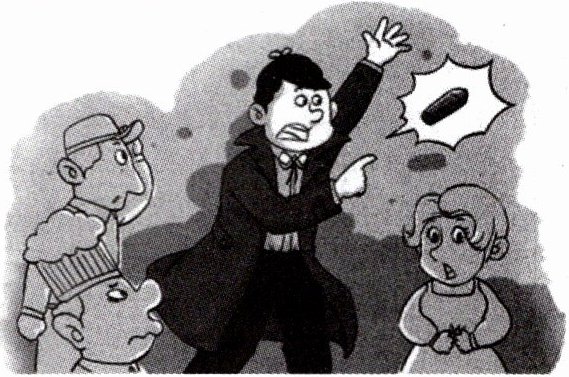
John found the servant and 4 (express) his purpose of coming here. The servant said that she wasn't around when the crime happened. At that time, she 5 (attend) the opening ceremony (仪式) of a shop nearby.
Next was the security man. John asked him whether he heard 6 (some) gunshot. The security man said that he fell asleep as he was tired that day so he didn't hear the gunshot.
As for the cook, John asked him what happened that day. The cook answered that he was cooking breakfast when he heard 7 noise in George's room. By the time he got to the room, he saw George lying in a pool of blood. He was very 8 (scary) and called the police nearby for help right away.
Hearing all these, James knew at once who killed George. It was clearly the assistant John. How did James know? John 9 (order) just to ask the servant, the security man and the cook questions only to help find out who killed George. James 10 told John anything about the bullet. How did he know that a gun was used to kill George?
| 1. | 2. | 3. | 4. | 5. |
| 6. | 7. | 8. | 9. | 10. |
George was found dead in a building. The detective (侦探), James, found a bloody bullet (带血的子弹) in the room where the happening took place. He then called George's assistant (助理) John. "Would you come 1 here and help ask the servant, the security man — the man whose job is to make sure the 2 (safe) of the house, and the cook some questions? It might help find out 3 killed George," said James. "Sure, I'll be there right away," answered John.
John found the servant and 4 (express) his purpose of coming here. The servant said that she wasn't around when the crime happened. At that time, she 5 (attend) the opening ceremony (仪式) of a shop nearby.
Next was the security man. John asked him whether he heard 6 (some) gunshot. The security man said that he fell asleep as he was tired that day so he didn't hear the gunshot.
As for the cook, John asked him what happened that day. The cook answered that he was cooking breakfast when he heard 7 noise in George's room. By the time he got to the room, he saw George lying in a pool of blood. He was very 8 (scary) and called the police nearby for help right away.
Hearing all these, James knew at once who killed George. It was clearly the assistant John. How did James know? John 9 (order) just to ask the servant, the security man and the cook questions only to help find out who killed George. James 10 told John anything about the bullet. How did he know that a gun was used to kill George?
| 1. | 2. | 3. | 4. | 5. |
| 6. | 7. | 8. | 9. | 10. |
答案:
1. over
2. safety
3. who
4. expressed
5. was attending
6. any
7. a
8. scared
9. was ordered
10. never
2. safety
3. who
4. expressed
5. was attending
6. any
7. a
8. scared
9. was ordered
10. never
查看更多完整答案,请扫码查看

