

 搜索
搜索
2025年学典四川九年级英语全一册人教版A版
注:目前有些书本章节名称可能整理的还不是很完善,但都是按照顺序排列的,请同学们按照顺序仔细查找。练习册 2025年学典四川九年级英语全一册人教版A版 答案主要是用来给同学们做完题方便对答案用的,请勿直接抄袭。
第150页
- 第2页
- 第3页
- 第4页
- 第5页
- 第6页
- 第7页
- 第8页
- 第9页
- 第10页
- 第11页
- 第12页
- 第13页
- 第14页
- 第15页
- 第16页
- 第17页
- 第18页
- 第19页
- 第20页
- 第21页
- 第22页
- 第23页
- 第24页
- 第25页
- 第26页
- 第27页
- 第28页
- 第29页
- 第30页
- 第31页
- 第32页
- 第33页
- 第34页
- 第35页
- 第36页
- 第37页
- 第38页
- 第39页
- 第40页
- 第41页
- 第42页
- 第43页
- 第44页
- 第45页
- 第46页
- 第47页
- 第48页
- 第49页
- 第50页
- 第51页
- 第52页
- 第53页
- 第54页
- 第55页
- 第56页
- 第57页
- 第58页
- 第59页
- 第60页
- 第61页
- 第62页
- 第63页
- 第64页
- 第65页
- 第66页
- 第67页
- 第68页
- 第69页
- 第70页
- 第71页
- 第72页
- 第73页
- 第74页
- 第75页
- 第76页
- 第77页
- 第78页
- 第79页
- 第80页
- 第81页
- 第82页
- 第83页
- 第84页
- 第85页
- 第86页
- 第87页
- 第88页
- 第89页
- 第90页
- 第91页
- 第92页
- 第93页
- 第94页
- 第95页
- 第96页
- 第97页
- 第98页
- 第99页
- 第100页
- 第101页
- 第102页
- 第103页
- 第104页
- 第105页
- 第106页
- 第107页
- 第108页
- 第109页
- 第110页
- 第111页
- 第112页
- 第113页
- 第114页
- 第115页
- 第116页
- 第117页
- 第118页
- 第119页
- 第120页
- 第121页
- 第122页
- 第123页
- 第124页
- 第125页
- 第126页
- 第127页
- 第128页
- 第129页
- 第130页
- 第131页
- 第132页
- 第133页
- 第134页
- 第135页
- 第136页
- 第137页
- 第138页
- 第139页
- 第140页
- 第141页
- 第142页
- 第143页
- 第144页
- 第145页
- 第146页
- 第147页
- 第148页
- 第149页
- 第150页
- 第151页
- 第152页
- 第153页
- 第154页
- 第155页
- 第156页
- 第157页
- 第158页
- 第159页
- 第160页
- 第161页
- 第162页
- 第163页
- 第164页
- 第165页
- 第166页
- 第167页
- 第168页
- 第169页
- 第170页
- 第171页
- 第172页
- 第173页
- 第174页
- 第175页
- 第176页
- 第177页
- 第178页
- 第179页
- 第180页
(
— Yes, I always feel ______ when visiting my friends on weekends.
A.relaxing; relaxed
B.relaxed; relaxing
C.relaxed; relaxed
D.relaxing; relaxing
A
) 1.— It's ______ to visit a friend on the weekend.— Yes, I always feel ______ when visiting my friends on weekends.
A.relaxing; relaxed
B.relaxed; relaxing
C.relaxed; relaxed
D.relaxing; relaxing
答案:
A
解析:-ing形式的形容词(relaxing)通常修饰物,表示“令人……的”;-ed形式的形容词(relaxed)通常修饰人,表示“感到……的”。第一空主语是“to visit a friend on the weekend”这件事,用relaxing;第二空主语是“I”,表示人的感受,用relaxed。故选A。
解析:-ing形式的形容词(relaxing)通常修饰物,表示“令人……的”;-ed形式的形容词(relaxed)通常修饰人,表示“感到……的”。第一空主语是“to visit a friend on the weekend”这件事,用relaxing;第二空主语是“I”,表示人的感受,用relaxed。故选A。
(
A.interesting something
B.something interesting
C.interesting anything
D.anything interesting
D
) 2.Did you experience ______ when you were in Canada?A.interesting something
B.something interesting
C.interesting anything
D.anything interesting
答案:
【解析】:本题考查不定代词的用法。在英语中,不定代词如something,anything,nothing等,当有形容词修饰时,形容词应后置。此外,本句是一个疑问句,疑问句中通常使用anything,但在希望得到对方肯定答复时,也可以使用something。然而,根据本题的语境和选项,应选择anything,并且形容词interesting应后置。
【答案】:D.anything interesting。
【答案】:D.anything interesting。
(
A.unless
B.if
C.until
D.since
B
) 3.Your friend will be angry with you ______ you are 15 minutes late in Switzerland.A.unless
B.if
C.until
D.since
答案:
【解析】:这是一道英语选择题,考查的是连词的用法。题目描述了一个条件关系,即在瑞士,如果你的朋友因为你迟到15分钟而生气。我们需要找到一个合适的连词来连接这两个句子。
A选项unless表示“除非”,通常用于表示一种排除条件;
B选项if表示“如果”,用于表示一种假设条件;
C选项until表示“直到”,用于表示时间上的延续;
D选项since表示“自从”或“因为”,可以表示时间或原因。
根据句意,这里描述的是一个假设条件,即“如果你迟到了15分钟”,所以应该使用if。
【答案】:B
A选项unless表示“除非”,通常用于表示一种排除条件;
B选项if表示“如果”,用于表示一种假设条件;
C选项until表示“直到”,用于表示时间上的延续;
D选项since表示“自从”或“因为”,可以表示时间或原因。
根据句意,这里描述的是一个假设条件,即“如果你迟到了15分钟”,所以应该使用if。
【答案】:B
(
— OK, Mom.
A.working
B.work
C.to work
D.worked
A
) 4.— Tom, you have kept ______ on your computer for hours. You should have a rest, or it is bad for your eyes.— OK, Mom.
A.working
B.work
C.to work
D.worked
答案:
A
解:keep doing sth. 表示“持续做某事”,为固定搭配。此处指“持续在电脑上工作数小时”,应用working。故选A。
解:keep doing sth. 表示“持续做某事”,为固定搭配。此处指“持续在电脑上工作数小时”,应用working。故选A。
(
— ______ We have just started.
A.What a pity!
B.How come?
C.It's no big deal.
D.Why are you so late?
C
) 5.— I am sorry for being late for the party, James.— ______ We have just started.
A.What a pity!
B.How come?
C.It's no big deal.
D.Why are you so late?
答案:
【解析】:
这是一道英语日常交际用语的题目,考查的是在特定语境下选择合适的回应。题干中一个人向James道歉,因为参加聚会迟到了,而James的回应需要符合他们正在进行的对话情境。
A选项“What a pity!”通常用于表示遗憾,但在此情境下并不合适,因为聚会刚开始,迟到并未造成实质性的遗憾。
B选项“How come?”是询问原因,但题干中已经明确说明了迟到的原因(即道歉者已经道歉),所以这不是一个合适的回应。
C选项“It's no big deal.”表示这不是什么大问题,符合James对迟到者的宽慰和理解的语境,因为聚会刚开始,迟到并未造成太大影响。
D选项“Why are you so late?”是询问迟到的原因,但同样,题干中已经隐含了迟到者道歉的情境,所以这不是一个恰当的回应。
【答案】:
C. It's no big deal.
这是一道英语日常交际用语的题目,考查的是在特定语境下选择合适的回应。题干中一个人向James道歉,因为参加聚会迟到了,而James的回应需要符合他们正在进行的对话情境。
A选项“What a pity!”通常用于表示遗憾,但在此情境下并不合适,因为聚会刚开始,迟到并未造成实质性的遗憾。
B选项“How come?”是询问原因,但题干中已经明确说明了迟到的原因(即道歉者已经道歉),所以这不是一个合适的回应。
C选项“It's no big deal.”表示这不是什么大问题,符合James对迟到者的宽慰和理解的语境,因为聚会刚开始,迟到并未造成太大影响。
D选项“Why are you so late?”是询问迟到的原因,但同样,题干中已经隐含了迟到者道歉的情境,所以这不是一个恰当的回应。
【答案】:
C. It's no big deal.
1. We all know that Beijing is the
2. Their most
3. Jack is
4. The sun is at its highest point in the sky at
capital
of China.2. Their most
valuable
belongings were locked in a safety deposit box (保险箱) in the bedroom.3. Jack is
mad
at Nancy because he has waited for her at the bus stop for an hour.4. The sun is at its highest point in the sky at
noon
.
答案:
【解析】:
这道题目是英语单词填空题,需要根据句子内容和首字母提示,填写正确的单词。这类题目主要考查学生对英语词汇的掌握和运用能力,包括理解句子意思,根据语境和首字母提示推断出正确的单词。
1. 第一句中提到北京是中国的某个重要地位,结合常识和首字母c,可以推断出应该是“capital”(首都)。
2. 第二句描述的是他们最什么的东西被锁在保险箱里,结合首字母v和语境,可以推断出应该是“valuable”(贵重的)。
3. 第三句中Jack对Nancy的某个行为表示不满,因为他已经在公交车站等了她一个小时,结合首字母m,可以推断出应该是“mad”(生气的)。
4. 第四句描述的是太阳在天空中达到最高点的时刻,结合常识和首字母n,可以推断出应该是“noon”(中午)。
【答案】:
1. capital
2. valuable
3. mad
4. noon
这道题目是英语单词填空题,需要根据句子内容和首字母提示,填写正确的单词。这类题目主要考查学生对英语词汇的掌握和运用能力,包括理解句子意思,根据语境和首字母提示推断出正确的单词。
1. 第一句中提到北京是中国的某个重要地位,结合常识和首字母c,可以推断出应该是“capital”(首都)。
2. 第二句描述的是他们最什么的东西被锁在保险箱里,结合首字母v和语境,可以推断出应该是“valuable”(贵重的)。
3. 第三句中Jack对Nancy的某个行为表示不满,因为他已经在公交车站等了她一个小时,结合首字母m,可以推断出应该是“mad”(生气的)。
4. 第四句描述的是太阳在天空中达到最高点的时刻,结合常识和首字母n,可以推断出应该是“noon”(中午)。
【答案】:
1. capital
2. valuable
3. mad
4. noon
三、从方框中选出适当的短语,用其正确的形式填空。
after all, drop by, get mad, make an effort, make plans
1. Most people want to improve themselves and they
2. We
3. I
4. David felt really nervous.
5. It's useful
after all, drop by, get mad, make an effort, make plans
1. Most people want to improve themselves and they
make an effort
once they know how to do it.2. We
dropped by
your house but your mom said that you were out.3. I
get mad
when someone speaks loudly in the classroom.4. David felt really nervous.
After all
, it was his first time to give a speech in public.5. It's useful
to make plans
before traveling, or you will worry about what your next direction is.
答案:
【解析】:
这道题目是英语填空题,主要考查对短语的理解及其在句子中的正确运用。需要根据句子的语境,从给定的短语中选择最合适的填入空白处。题目来源于九年级英语教材,因此应注重短语在语境中的恰当使用。
1. 第一空,根据“once they know how to do it”可以推断,人们知道如何做之后会努力去实现,因此应选用“make an effort”,表示“努力”。
2. 第二空,根据“but your mom said that you were out”可知,前半句应表示“我们去过你家”,因此选用“drop by”,表示“顺便拜访”。
3. 第三空,根据“when someone speaks loudly in the classroom”可以推断,这种情况会让人生气,因此选用“get mad”,表示“生气”。
4. 第四空,根据“it was his first time to give a speech in public”可知,这是David第一次公开演讲,所以紧张是情理之中的,因此选用“after all”,表示“毕竟”。
5. 第五空,根据“before traveling, or you will worry about what your next direction is”可知,旅行前做好计划是有用的,因此选用“make plans”,表示“制定计划”。
【答案】:
1. make an effort
2. dropped by
3. get mad
4. After all
5. to make plans
这道题目是英语填空题,主要考查对短语的理解及其在句子中的正确运用。需要根据句子的语境,从给定的短语中选择最合适的填入空白处。题目来源于九年级英语教材,因此应注重短语在语境中的恰当使用。
1. 第一空,根据“once they know how to do it”可以推断,人们知道如何做之后会努力去实现,因此应选用“make an effort”,表示“努力”。
2. 第二空,根据“but your mom said that you were out”可知,前半句应表示“我们去过你家”,因此选用“drop by”,表示“顺便拜访”。
3. 第三空,根据“when someone speaks loudly in the classroom”可以推断,这种情况会让人生气,因此选用“get mad”,表示“生气”。
4. 第四空,根据“it was his first time to give a speech in public”可知,这是David第一次公开演讲,所以紧张是情理之中的,因此选用“after all”,表示“毕竟”。
5. 第五空,根据“before traveling, or you will worry about what your next direction is”可知,旅行前做好计划是有用的,因此选用“make plans”,表示“制定计划”。
【答案】:
1. make an effort
2. dropped by
3. get mad
4. After all
5. to make plans
四、阅读填空。根据短文内容,从短文后的选项中选出能填入空白处的最佳选项,选项中有一项为多余选项。
When a child's teeth fall out, how do people in your country deal with them? Actually, people in different countries may behave (表现) differently. 1
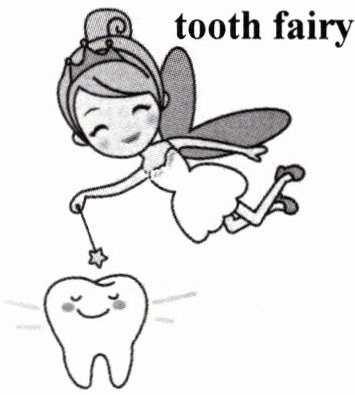
In Korea, people throw the fallen tooth on the roof (屋顶) of a house. 2 Later, the magpie (喜鹊) will return with a new tooth for the child. In other Asian countries, children also do that.
3 In Mongolia, dogs take teeth away. Dogs are highly honored in Mongolian culture. It's traditional that the new teeth will be in good and strong condition if a child's teeth are fed to a dog.
4 Children expect the tooth fairy to leave money or presents in exchange. But the exact origin (起源) of the tooth fairy is still a mystery.
According to a tradition, a child puts a lost tooth under the pillow (枕头) before going to bed. In the very early hours of the morning, while the child is sleeping, the tooth fairy comes. 5 In France, the tooth fairy leaves a small gift or candy. In the USA, the tooth fairy usually leaves money. Actually, these things are often done by parents because they want to give their children an imaginative childhood.
| A. Then something amazing happens to the child. |
| B. Birds aren't the only animals to take the lost teeth. |
| C. She takes the tooth and leaves something else under the pillow. |
| D. According to a tradition, a magpie will come and take the tooth. |
| E. That's because there are different customs in different countries. |
| F. The idea of giving the lost teeth to a tooth fairy is also a tradition in the West. |
1. ______ 2. ______ 3. ______ 4. ______ 5. ______
When a child's teeth fall out, how do people in your country deal with them? Actually, people in different countries may behave (表现) differently. 1
In Korea, people throw the fallen tooth on the roof (屋顶) of a house. 2 Later, the magpie (喜鹊) will return with a new tooth for the child. In other Asian countries, children also do that.
3 In Mongolia, dogs take teeth away. Dogs are highly honored in Mongolian culture. It's traditional that the new teeth will be in good and strong condition if a child's teeth are fed to a dog.
4 Children expect the tooth fairy to leave money or presents in exchange. But the exact origin (起源) of the tooth fairy is still a mystery.
According to a tradition, a child puts a lost tooth under the pillow (枕头) before going to bed. In the very early hours of the morning, while the child is sleeping, the tooth fairy comes. 5 In France, the tooth fairy leaves a small gift or candy. In the USA, the tooth fairy usually leaves money. Actually, these things are often done by parents because they want to give their children an imaginative childhood.
| A. Then something amazing happens to the child. |
| B. Birds aren't the only animals to take the lost teeth. |
| C. She takes the tooth and leaves something else under the pillow. |
| D. According to a tradition, a magpie will come and take the tooth. |
| E. That's because there are different customs in different countries. |
| F. The idea of giving the lost teeth to a tooth fairy is also a tradition in the West. |
1. ______ 2. ______ 3. ______ 4. ______ 5. ______
答案:
【解析】:
这是一道英语阅读填空题,考查学生对短文内容的理解以及根据上下文选择合适选项的能力。解题的关键在于通读短文,把握不同国家对于孩子掉牙的不同处理方式这一主题,然后分析每个空白处前后文的逻辑关系和内容,从所给选项中选出最符合语境的答案。
1. 前文提到不同国家的人对孩子掉牙的处理方式可能不同,E选项“That's because there are different customs in different countries.”(那是因为不同国家有不同的习俗。)解释了前文现象的原因,所以1处选E。
2. 前文说在韩国人们把掉落的牙齿扔到屋顶上,D选项“According to a tradition, a magpie will come and take the tooth.”(根据传统,喜鹊会来取走牙齿。)承接上文,说明了扔到屋顶上后的情况,所以2处选D。
3. 后文提到在蒙古是狗把牙齿带走,B选项“Birds aren't the only animals to take the lost teeth.”(鸟不是唯一带走掉落牙齿的动物。)引出了下文关于其他动物带走牙齿的描述,所以3处选B。
4. 后文讲述了在西方国家孩子期望牙仙子留下钱或礼物,F选项“The idea of giving the lost teeth to a tooth fairy is also a tradition in the West.”(把掉落的牙齿给牙仙子的想法在西方也是一个传统。)引出了西方牙仙子的传统,所以4处选F。
5. 前文说在孩子睡觉时牙仙子会来,C选项“She takes the tooth and leaves something else under the pillow.”(她拿走牙齿并在枕头下留下其他东西。)具体说明了牙仙子来了之后的行为,所以5处选C。
【答案】:
1. E;2. D;3. B;4. F;5. C
这是一道英语阅读填空题,考查学生对短文内容的理解以及根据上下文选择合适选项的能力。解题的关键在于通读短文,把握不同国家对于孩子掉牙的不同处理方式这一主题,然后分析每个空白处前后文的逻辑关系和内容,从所给选项中选出最符合语境的答案。
1. 前文提到不同国家的人对孩子掉牙的处理方式可能不同,E选项“That's because there are different customs in different countries.”(那是因为不同国家有不同的习俗。)解释了前文现象的原因,所以1处选E。
2. 前文说在韩国人们把掉落的牙齿扔到屋顶上,D选项“According to a tradition, a magpie will come and take the tooth.”(根据传统,喜鹊会来取走牙齿。)承接上文,说明了扔到屋顶上后的情况,所以2处选D。
3. 后文提到在蒙古是狗把牙齿带走,B选项“Birds aren't the only animals to take the lost teeth.”(鸟不是唯一带走掉落牙齿的动物。)引出了下文关于其他动物带走牙齿的描述,所以3处选B。
4. 后文讲述了在西方国家孩子期望牙仙子留下钱或礼物,F选项“The idea of giving the lost teeth to a tooth fairy is also a tradition in the West.”(把掉落的牙齿给牙仙子的想法在西方也是一个传统。)引出了西方牙仙子的传统,所以4处选F。
5. 前文说在孩子睡觉时牙仙子会来,C选项“She takes the tooth and leaves something else under the pillow.”(她拿走牙齿并在枕头下留下其他东西。)具体说明了牙仙子来了之后的行为,所以5处选C。
【答案】:
1. E;2. D;3. B;4. F;5. C
查看更多完整答案,请扫码查看

