

 搜索
搜索
2025年通城学典组合训练八年级英语全一册人教版辽宁专版
注:目前有些书本章节名称可能整理的还不是很完善,但都是按照顺序排列的,请同学们按照顺序仔细查找。练习册 2025年通城学典组合训练八年级英语全一册人教版辽宁专版 答案主要是用来给同学们做完题方便对答案用的,请勿直接抄袭。
第29页
- 第1页
- 第2页
- 第3页
- 第4页
- 第5页
- 第6页
- 第7页
- 第8页
- 第9页
- 第10页
- 第11页
- 第12页
- 第13页
- 第14页
- 第15页
- 第16页
- 第17页
- 第18页
- 第19页
- 第20页
- 第21页
- 第22页
- 第23页
- 第24页
- 第25页
- 第26页
- 第27页
- 第28页
- 第29页
- 第30页
- 第31页
- 第32页
- 第33页
- 第34页
- 第35页
- 第36页
- 第37页
- 第38页
- 第39页
- 第40页
- 第41页
- 第42页
- 第43页
- 第44页
- 第45页
- 第46页
- 第47页
- 第48页
- 第49页
- 第50页
- 第51页
- 第52页
- 第53页
- 第54页
- 第55页
- 第56页
- 第57页
- 第58页
- 第59页
- 第60页
- 第61页
- 第62页
- 第63页
- 第64页
- 第65页
- 第66页
- 第67页
- 第68页
- 第69页
- 第70页
- 第71页
- 第72页
- 第73页
- 第74页
- 第75页
- 第76页
- 第77页
- 第78页
- 第79页
- 第80页
- 第81页
- 第82页
- 第83页
- 第84页
- 第85页
- 第86页
- 第87页
- 第88页
- 第89页
- 第90页
- 第91页
- 第92页
- 第93页
- 第94页
- 第95页
- 第96页
- 第97页
- 第98页
- 第99页
- 第100页
- 第101页
- 第102页
- 第103页
- 第104页
- 第105页
- 第106页
- 第107页
- 第108页
- 第109页
- 第110页
- 第111页
- 第112页
- 第113页
- 第114页
- 第115页
- 第116页
- 第117页
- 第118页
- 第119页
- 第120页
- 第121页
- 第122页
- 第123页
- 第124页
- 第125页
- 第126页
A
KEY→P6
范畴:人与自然
主题:自然科学
体裁:说明文
难度:★★★★
建议用时:8分钟
评价:____/4
Recently, scientists have already found out how and why earthquakes happen.
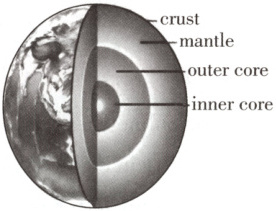
Long ago, people believed that the Earth was solid, but today, scientists know that the Earth is made up of layers.
The centre of the Earth is called the core. The core is very hot. The inner core is a solid ball made of iron, and the outer core is made of iron that can flow(流动) slowly.
The mantle(地幔) around the core is made of very hot rock. The lower part of the mantle is soft and can move very slowly. The mantle makes up most of the Earth.
The top layer of the Earth is called the crust(地壳), and is made of rock. It is the thinnest of all the Earth's layers. It is thinnest under the sea and much thicker under the land.
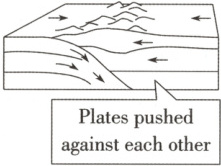
The crust and the upper part of the mantle are made up of very big, plate-like pieces of rock that move slowly on the lower part of the mantle. Most of the time, they are moving so slowly that people cannot feel the movement.
These big pieces of rock are called tectonic plates(构造板块). They are in different sizes, and each one has a name. When the plates meet, they can move to different directions, go past each other, or push against each other until part of one plate is under the other.
The movements of the plates make the Earth's cover break. These broken places are called faults(断层). Some faults are easy to see. Most faults don't move, but the plates keep moving slowly. Over time, this causes stress(压力) in the rocks.
When the stress is too much for the rocks, they break suddenly along the fault. This kind of shaking runs out in all directions, and makes the ground shake. This is an earthquake, and it is why most earthquakes happen near the sides of tectonic plates.
(
A. 2.
B. 3.
C. 4.
D. 5.
(
A. the inner core
B. the outer core
C. the mantle
D. the crust
(
A. Layers of the Earth.
B. Big and plate-like pieces of rock.
C. The lower part of the mantle.
D. The upper part of the mantle.
(
A. What an earthquake is.
B. Reasons for earthquakes.
C. Movements of tectonic plates.
D. How and why earthquakes happen.
KEY→P6
范畴:人与自然
主题:自然科学
体裁:说明文
难度:★★★★
建议用时:8分钟
评价:____/4
Recently, scientists have already found out how and why earthquakes happen.
Long ago, people believed that the Earth was solid, but today, scientists know that the Earth is made up of layers.
The centre of the Earth is called the core. The core is very hot. The inner core is a solid ball made of iron, and the outer core is made of iron that can flow(流动) slowly.
The mantle(地幔) around the core is made of very hot rock. The lower part of the mantle is soft and can move very slowly. The mantle makes up most of the Earth.
The top layer of the Earth is called the crust(地壳), and is made of rock. It is the thinnest of all the Earth's layers. It is thinnest under the sea and much thicker under the land.
The crust and the upper part of the mantle are made up of very big, plate-like pieces of rock that move slowly on the lower part of the mantle. Most of the time, they are moving so slowly that people cannot feel the movement.
These big pieces of rock are called tectonic plates(构造板块). They are in different sizes, and each one has a name. When the plates meet, they can move to different directions, go past each other, or push against each other until part of one plate is under the other.
The movements of the plates make the Earth's cover break. These broken places are called faults(断层). Some faults are easy to see. Most faults don't move, but the plates keep moving slowly. Over time, this causes stress(压力) in the rocks.
When the stress is too much for the rocks, they break suddenly along the fault. This kind of shaking runs out in all directions, and makes the ground shake. This is an earthquake, and it is why most earthquakes happen near the sides of tectonic plates.
(
C
)1. How many layers are there in the Earth according to the text?A. 2.
B. 3.
C. 4.
D. 5.
(
B
)2. The sentences “I am now in the deep Earth. After going through the layer made of hot rock, I found hot iron around me flowing softly like water.” are describing ____.A. the inner core
B. the outer core
C. the mantle
D. the crust
(
B
)3. What does “they” in Paragraph 6 refer to?A. Layers of the Earth.
B. Big and plate-like pieces of rock.
C. The lower part of the mantle.
D. The upper part of the mantle.
(
D
)4. Which is the main idea of the passage?A. What an earthquake is.
B. Reasons for earthquakes.
C. Movements of tectonic plates.
D. How and why earthquakes happen.
答案:
1.C 2.B 3.B 4.D
查看更多完整答案,请扫码查看

