

 搜索
搜索
第80页
- 第1页
- 第2页
- 第3页
- 第4页
- 第5页
- 第6页
- 第7页
- 第8页
- 第9页
- 第10页
- 第11页
- 第12页
- 第13页
- 第14页
- 第15页
- 第16页
- 第17页
- 第18页
- 第19页
- 第20页
- 第21页
- 第22页
- 第23页
- 第24页
- 第25页
- 第26页
- 第27页
- 第28页
- 第29页
- 第30页
- 第31页
- 第32页
- 第33页
- 第34页
- 第35页
- 第36页
- 第37页
- 第38页
- 第39页
- 第40页
- 第41页
- 第42页
- 第43页
- 第44页
- 第45页
- 第46页
- 第47页
- 第48页
- 第49页
- 第50页
- 第51页
- 第52页
- 第53页
- 第54页
- 第55页
- 第56页
- 第57页
- 第58页
- 第59页
- 第60页
- 第61页
- 第62页
- 第63页
- 第64页
- 第65页
- 第66页
- 第67页
- 第68页
- 第69页
- 第70页
- 第71页
- 第72页
- 第73页
- 第74页
- 第75页
- 第76页
- 第77页
- 第78页
- 第79页
- 第80页
- 第81页
- 第82页
- 第83页
- 第84页
- 第85页
- 第86页
- 第87页
- 第88页
- 第89页
- 第90页
- 第91页
- 第92页
- 第93页
- 第94页
- 第95页
- 第96页
- 第97页
- 第98页
- 第99页
- 第100页
- 第101页
- 第102页
- 第103页
- 第104页
- 第105页
- 第106页
- 第107页
- 第108页
- 第109页
- 第110页
- 第111页
- 第112页
- 第113页
- 第114页
- 第115页
- 第116页
- 第117页
- 第118页
- 第119页
- 第120页
- 第121页
- 第122页
- 第123页
- 第124页
- 第125页
- 第126页
- 第127页
- 第128页
- 第129页
- 第130页
- 第131页
- 第132页
- 第133页
- 第134页
- 第135页
- 第136页
- 第137页
- 第138页
- 第139页
- 第140页
- 第141页
- 第142页
- 第143页
- 第144页
- 第145页
- 第146页
- 第147页
- 第148页
- 第149页
- 第150页
- 第151页
- 第152页
- 第153页
- 第154页
- 第155页
- 第156页
- 第157页
- 第158页
- 第159页
- 第160页
- 第161页
- 第162页
- 第163页
- 第164页
- 第165页
- 第166页
- 第167页
- 第168页
- 第169页
- 第170页
- 第171页
- 第172页
- 第173页
- 第174页
- 第175页
- 第176页
- 第177页
- 第178页
- 第179页
- 第180页
- 第181页
- 第182页
- 第183页
- 第184页
- 第185页
- 第186页
- 第187页
- 第188页
- 第189页
- 第190页
- 第191页
- 第192页
C
① Going to an art museum can be a fun activity. However,if you're not sure what the art is about,it may seem boring. Here are many ways to understand different kinds of art.
② You don't need to visit the most famous museum in your area. Instead,have an adult help you look at the websites of a few local museums to see what exhibits(展览) they have. Choose one you're interested in to visit. For example,if you enjoy taking photos,you might go to a photography exhibit.
③ If a piece of art(艺术品) catches your eyes,you may start by getting close to the artwork. Think about the story the artwork may be trying to tell. Bring a notebook and pencil with you,so you can make a quick drawing yourself. This way,you might see new details(细节) of it that you didn't notice before.
④ If you want to find out more details of the artwork,a volunteer at the museum may be helpful to talk to you about it. Free brochures(手册) may also provide information. You can also ask yourself what the work means to you. For example,maybe the colours in the piece remind you of a place that's special to you or the emotions you've been feeling.
⑤ After you leave the museum,consider which pieces of art stay in your mind and why. Talk to friends who went with you,and ask them about their favourite pieces,too. The way artists make themselves understood through their work is the magic of art really.
( )7. What's the writer's advice when choosing a museum?
A. Ask your parents to help you decide. B. Visit the most famous museum nearby. C. Choose an exhibit that interests you. D. Go to see a photography exhibit first.
( )8. Why do you need a notebook and pencil according to Paragraph 3?
A. To draw a similar picture by yourself. B. To draw a picture of yourself quickly. C. To write down the story of the artwork. D. To copy things from the free brochures.
( )9. What may be the magic of art really according to the last paragraph?
A. The art pieces that stay in your mind for a long time. B. The way you understand artists through their work. C. The time you spend talking with your friend or an adult. D. The story your favourite piece of art is trying to tell.
( )10. Which of the following best shows the structure of the text?
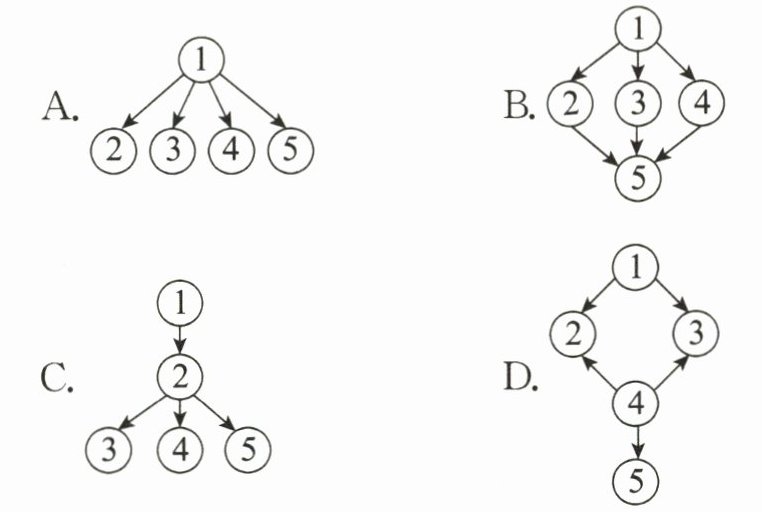
A. ①
↙ ↓ ↘
② ③ ④ ⑤
B. ①
↙ ↓ ↘
② ③ ④
↘
⑤
C. ①
↓
②
↙ ↘
③ ④ ⑤
D. ①
↙ ↘
② ③
↘ ↙
④
↓
⑤
① Going to an art museum can be a fun activity. However,if you're not sure what the art is about,it may seem boring. Here are many ways to understand different kinds of art.
② You don't need to visit the most famous museum in your area. Instead,have an adult help you look at the websites of a few local museums to see what exhibits(展览) they have. Choose one you're interested in to visit. For example,if you enjoy taking photos,you might go to a photography exhibit.
③ If a piece of art(艺术品) catches your eyes,you may start by getting close to the artwork. Think about the story the artwork may be trying to tell. Bring a notebook and pencil with you,so you can make a quick drawing yourself. This way,you might see new details(细节) of it that you didn't notice before.
④ If you want to find out more details of the artwork,a volunteer at the museum may be helpful to talk to you about it. Free brochures(手册) may also provide information. You can also ask yourself what the work means to you. For example,maybe the colours in the piece remind you of a place that's special to you or the emotions you've been feeling.
⑤ After you leave the museum,consider which pieces of art stay in your mind and why. Talk to friends who went with you,and ask them about their favourite pieces,too. The way artists make themselves understood through their work is the magic of art really.
( )7. What's the writer's advice when choosing a museum?
A. Ask your parents to help you decide. B. Visit the most famous museum nearby. C. Choose an exhibit that interests you. D. Go to see a photography exhibit first.
( )8. Why do you need a notebook and pencil according to Paragraph 3?
A. To draw a similar picture by yourself. B. To draw a picture of yourself quickly. C. To write down the story of the artwork. D. To copy things from the free brochures.
( )9. What may be the magic of art really according to the last paragraph?
A. The art pieces that stay in your mind for a long time. B. The way you understand artists through their work. C. The time you spend talking with your friend or an adult. D. The story your favourite piece of art is trying to tell.
( )10. Which of the following best shows the structure of the text?
A. ①
↙ ↓ ↘
② ③ ④ ⑤
B. ①
↙ ↓ ↘
② ③ ④
↘
⑤
C. ①
↓
②
↙ ↘
③ ④ ⑤
D. ①
↙ ↘
② ③
↘ ↙
④
↓
⑤
答案:
7. C
8. A
9. B
10. B
8. A
9. B
10. B
查看更多完整答案,请扫码查看

