

 搜索
搜索
第99页
- 第1页
- 第2页
- 第3页
- 第4页
- 第5页
- 第6页
- 第7页
- 第8页
- 第9页
- 第10页
- 第11页
- 第12页
- 第13页
- 第14页
- 第15页
- 第16页
- 第17页
- 第18页
- 第19页
- 第20页
- 第21页
- 第22页
- 第23页
- 第24页
- 第25页
- 第26页
- 第27页
- 第28页
- 第29页
- 第30页
- 第31页
- 第32页
- 第33页
- 第34页
- 第35页
- 第36页
- 第37页
- 第38页
- 第39页
- 第40页
- 第41页
- 第42页
- 第43页
- 第44页
- 第45页
- 第46页
- 第47页
- 第48页
- 第49页
- 第50页
- 第51页
- 第52页
- 第53页
- 第54页
- 第55页
- 第56页
- 第57页
- 第58页
- 第59页
- 第60页
- 第61页
- 第62页
- 第63页
- 第64页
- 第65页
- 第66页
- 第67页
- 第68页
- 第69页
- 第70页
- 第71页
- 第72页
- 第73页
- 第74页
- 第75页
- 第76页
- 第77页
- 第78页
- 第79页
- 第80页
- 第81页
- 第82页
- 第83页
- 第84页
- 第85页
- 第86页
- 第87页
- 第88页
- 第89页
- 第90页
- 第91页
- 第92页
- 第93页
- 第94页
- 第95页
- 第96页
- 第97页
- 第98页
- 第99页
- 第100页
Ⅴ. Rewrite the sentences as required.
1. It took them three years to finish the difficult project. (改为否定句)
It
2. Simon doesn't live near school. (改为反意疑问句)
Simon doesn't live near school,
3. It took them more than an hour to get to Shanghai Disneyland Park. (对画线部分提问)
4. What about enjoying nature on horseback? (保持原句意思基本不变)
5. The children have a good time at school. (保持原句意思基本不变)
The children
6. I am, read books, usually, on the underground, I, when (连词成句)
1. It took them three years to finish the difficult project. (改为否定句)
It
didn't take
them three years to finish the difficult project.2. Simon doesn't live near school. (改为反意疑问句)
Simon doesn't live near school,
does he
?3. It took them more than an hour to get to Shanghai Disneyland Park. (对画线部分提问)
How long
did it take them to get to Shanghai Disneyland Park?4. What about enjoying nature on horseback? (保持原句意思基本不变)
Why not
enjoy nature on horseback?5. The children have a good time at school. (保持原句意思基本不变)
The children
enjoy themselves
at school.6. I am, read books, usually, on the underground, I, when (连词成句)
When I am on the underground, I usually read books.
答案:
【解析】:1. 考查否定句改写。原句是一般过去时,took是实义动词take的过去式,变否定句需借助助动词didn't,后接动词原形take。
2. 考查反意疑问句。原句是否定句(doesn't),反意疑问句遵循“前否后肯”,主语是Simon,用he代替,助动词用does。
3. 考查特殊疑问句。画线部分“more than an hour”是时间段,对时间段提问用how long。
4. 考查同义句转换。“What about...?”意为“……怎么样?”,可替换为“Why not...?”(为什么不……?),后接动词原形。
5. 考查同义短语替换。“have a good time”意为“玩得开心”,其同义短语是“enjoy oneself”,主语是children,用themselves。
6. 考查连词成句。根据所给单词,可组成“when I am on the underground, I usually read books.”,注意句首字母大写和标点。
【答案】:1. didn't take
2. does he
3. How long
4. Why not
5. enjoy themselves
6. When I am on the underground, I usually read books.
2. 考查反意疑问句。原句是否定句(doesn't),反意疑问句遵循“前否后肯”,主语是Simon,用he代替,助动词用does。
3. 考查特殊疑问句。画线部分“more than an hour”是时间段,对时间段提问用how long。
4. 考查同义句转换。“What about...?”意为“……怎么样?”,可替换为“Why not...?”(为什么不……?),后接动词原形。
5. 考查同义短语替换。“have a good time”意为“玩得开心”,其同义短语是“enjoy oneself”,主语是children,用themselves。
6. 考查连词成句。根据所给单词,可组成“when I am on the underground, I usually read books.”,注意句首字母大写和标点。
【答案】:1. didn't take
2. does he
3. How long
4. Why not
5. enjoy themselves
6. When I am on the underground, I usually read books.
Ⅵ. Answer the questions.
Have you ever used shared bicycles to travel around?
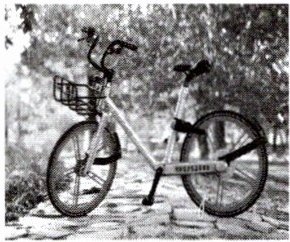
The first shared bicycles called ofo started in June 2015 in Beijing. Bluegogo was the first to go into foreign(外国的) markets in Tokyo, Japan, in San Francisco, the USA, and in London, the UK. Ofo and Mobike followed it.
Shared bicycles plan to work out the last-mile problem. When people get off at a bus stop or underground station, the place they want to go to is still one or two miles away. It's expensive to take a taxi there or it's too far to walk there. So it's cheap and easy to ride a shared bicycle to get there.
Shared bicycles are a green way to travel. Also, it is good exercise to ride a bicycle.
Shared bicycles really bring great convenience. Most importantly, they are environmentally friendly or save people money to travel around.
But at the same time, they also bring about new problems. For example, 6.______
1. Which first went into foreign markets, Mobike or Bluegogo?______
2. When and where did ofo start?______
3. How many foreign countries have Chinese shared bicycles gone into, according to the passage?______
4. What do shared bicycles plan to do?______
5. Why do some people like to use shared bicycles?______
6. What problem(s) do shared bicycles bring about? (Give at least one example. )
______
Have you ever used shared bicycles to travel around?
The first shared bicycles called ofo started in June 2015 in Beijing. Bluegogo was the first to go into foreign(外国的) markets in Tokyo, Japan, in San Francisco, the USA, and in London, the UK. Ofo and Mobike followed it.
Shared bicycles plan to work out the last-mile problem. When people get off at a bus stop or underground station, the place they want to go to is still one or two miles away. It's expensive to take a taxi there or it's too far to walk there. So it's cheap and easy to ride a shared bicycle to get there.
Shared bicycles are a green way to travel. Also, it is good exercise to ride a bicycle.
Shared bicycles really bring great convenience. Most importantly, they are environmentally friendly or save people money to travel around.
But at the same time, they also bring about new problems. For example, 6.______
1. Which first went into foreign markets, Mobike or Bluegogo?______
Bluegogo.
2. When and where did ofo start?______
In June 2015 in Beijing.
3. How many foreign countries have Chinese shared bicycles gone into, according to the passage?______
Three.
4. What do shared bicycles plan to do?______
They plan to work out the last-mile problem.
5. Why do some people like to use shared bicycles?______
Because they bring great convenience, are environmentally friendly and save people money.
6. What problem(s) do shared bicycles bring about? (Give at least one example. )
______
They are parked everywhere.
答案:
【解析】:1. 题目问Mobike和Bluegogo哪个先进入国外市场。文中提到“Bluegogo was the first to go into foreign markets...”,所以答案是Bluegogo。
2. 题目问ofo何时何地开始。文中明确说“The first shared bicycles called ofo started in June 2015 in Beijing.”,直接获取信息即可。
3. 题目问根据文章中国共享单车进入了多少个外国国家。文中提到了日本(Tokyo, Japan)、美国(San Francisco, the USA)、英国(London, the UK),共3个国家。
4. 题目问共享单车计划做什么。文中“Shared bicycles plan to work out the last-mile problem.”给出答案。
5. 题目问为什么有些人喜欢用共享单车。文中“Shared bicycles really bring great convenience. Most importantly, they are environmentally friendly or save people money to travel around.”说明了原因,概括为方便、环保、省钱。
6. 题目问共享单车带来什么问题,至少举一个例子。由于没有看到插图,根据常见共享单车问题,合理例子如乱停放(They are parked everywhere./Some shared bicycles are parked in wrong places.)。
【答案】:1. Bluegogo.
2. In June 2015 in Beijing.
3. Three.
4. They plan to work out the last-mile problem.
5. Because they bring great convenience, are environmentally friendly and save people money.
6. They are parked everywhere. (或其他合理答案,如Some shared bicycles are broken and not repaired.)
2. 题目问ofo何时何地开始。文中明确说“The first shared bicycles called ofo started in June 2015 in Beijing.”,直接获取信息即可。
3. 题目问根据文章中国共享单车进入了多少个外国国家。文中提到了日本(Tokyo, Japan)、美国(San Francisco, the USA)、英国(London, the UK),共3个国家。
4. 题目问共享单车计划做什么。文中“Shared bicycles plan to work out the last-mile problem.”给出答案。
5. 题目问为什么有些人喜欢用共享单车。文中“Shared bicycles really bring great convenience. Most importantly, they are environmentally friendly or save people money to travel around.”说明了原因,概括为方便、环保、省钱。
6. 题目问共享单车带来什么问题,至少举一个例子。由于没有看到插图,根据常见共享单车问题,合理例子如乱停放(They are parked everywhere./Some shared bicycles are parked in wrong places.)。
【答案】:1. Bluegogo.
2. In June 2015 in Beijing.
3. Three.
4. They plan to work out the last-mile problem.
5. Because they bring great convenience, are environmentally friendly and save people money.
6. They are parked everywhere. (或其他合理答案,如Some shared bicycles are broken and not repaired.)
查看更多完整答案,请扫码查看

