

 搜索
搜索
第97页
- 第1页
- 第2页
- 第3页
- 第4页
- 第5页
- 第6页
- 第7页
- 第8页
- 第9页
- 第10页
- 第11页
- 第12页
- 第13页
- 第14页
- 第15页
- 第16页
- 第17页
- 第18页
- 第19页
- 第20页
- 第21页
- 第22页
- 第23页
- 第24页
- 第25页
- 第26页
- 第27页
- 第28页
- 第29页
- 第30页
- 第31页
- 第32页
- 第33页
- 第34页
- 第35页
- 第36页
- 第37页
- 第38页
- 第39页
- 第40页
- 第41页
- 第42页
- 第43页
- 第44页
- 第45页
- 第46页
- 第47页
- 第48页
- 第49页
- 第50页
- 第51页
- 第52页
- 第53页
- 第54页
- 第55页
- 第56页
- 第57页
- 第58页
- 第59页
- 第60页
- 第61页
- 第62页
- 第63页
- 第64页
- 第65页
- 第66页
- 第67页
- 第68页
- 第69页
- 第70页
- 第71页
- 第72页
- 第73页
- 第74页
- 第75页
- 第76页
- 第77页
- 第78页
- 第79页
- 第80页
- 第81页
- 第82页
- 第83页
- 第84页
- 第85页
- 第86页
- 第87页
- 第88页
- 第89页
- 第90页
- 第91页
- 第92页
- 第93页
- 第94页
- 第95页
- 第96页
- 第97页
- 第98页
- 第99页
- 第100页
1. My brother always washes dishes after supper. (改为否定句)
My brother
2. It is a very beautiful view. (改为感叹句)
3. Ms Chen got up early to enjoy sunrise. (对画线部分提问)
4. The People's Square is about twenty minutes' drive from our school. (对画线部分提问)
5. How much was your smartphone? (保持原句意思基本不变)
6. two hours, by plane, took them, to arrive in Beijing, it, about (连词成句)
7. I'm going to visit Beijing this winter. (保持原句意思基本不变)
8. I love being close to nature. (对画线部分提问)
9. The website says we can go by plane, by train, or by car. (对画线部分提问)
10. How about going by train? (保持原句意思基本不变)
My brother
never washes
dishes after supper.2. It is a very beautiful view. (改为感叹句)
What a
beautiful view it is!3. Ms Chen got up early to enjoy sunrise. (对画线部分提问)
Why did
Ms Chen get up early?4. The People's Square is about twenty minutes' drive from our school. (对画线部分提问)
How far
is the People's Square from your school?5. How much was your smartphone? (保持原句意思基本不变)
What's
the price
of your smartphone?6. two hours, by plane, took them, to arrive in Beijing, it, about (连词成句)
It took them about two hours to arrive in Beijing by plane.
.7. I'm going to visit Beijing this winter. (保持原句意思基本不变)
I will visit Beijing this winter.
8. I love being close to nature. (对画线部分提问)
What do you love?
9. The website says we can go by plane, by train, or by car. (对画线部分提问)
What does the website say?
10. How about going by train? (保持原句意思基本不变)
What about going by train?
答案:
1. never washes
2. What a
3. Why did
4. How far
5. What's; price
6. It took them about two hours to arrive in Beijing by plane.
7. I will visit Beijing this winter.
8. What do you love?
9. What does the website say?
10. What about going by train?
2. What a
3. Why did
4. How far
5. What's; price
6. It took them about two hours to arrive in Beijing by plane.
7. I will visit Beijing this winter.
8. What do you love?
9. What does the website say?
10. What about going by train?
Ⅵ. Fill in the blanks with proper words.
Marco Polo(马可·波罗) was born in Venice in Italy in 1254. He was the most f 1 westerner to visit Asia. He usually wrote down things about his travels. In his diaries he wrote all the things he saw and heard.
At that time, many people read Marco Polo's book b 2 they didn't believe(相信) what he said. As a young man, Marco Polo planned to travel with his father. It took them more than three years to get to China.
The Chinese emperor met them. They talked a lot and became friends f 3. He learned the Chinese language when he travelled around and talked to many people. Before he was thirty, he was made a Chinese officer.
After almost seventeen years in the East, Marco and his father planned to come back home. When they got to Venice, their family and friends were s 4 to see them again. They had been away from home for over 25 years. Marco Polo was really a great t 5.
1. ______
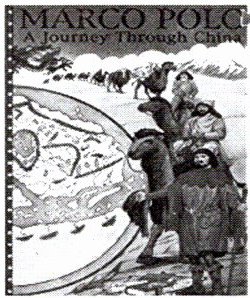
Marco Polo(马可·波罗) was born in Venice in Italy in 1254. He was the most f 1 westerner to visit Asia. He usually wrote down things about his travels. In his diaries he wrote all the things he saw and heard.
At that time, many people read Marco Polo's book b 2 they didn't believe(相信) what he said. As a young man, Marco Polo planned to travel with his father. It took them more than three years to get to China.
The Chinese emperor met them. They talked a lot and became friends f 3. He learned the Chinese language when he travelled around and talked to many people. Before he was thirty, he was made a Chinese officer.
After almost seventeen years in the East, Marco and his father planned to come back home. When they got to Venice, their family and friends were s 4 to see them again. They had been away from home for over 25 years. Marco Polo was really a great t 5.
1. ______
famous
______ 2. ______but
______ 3. ______finally
______ 4. ______surprised
______ 5. ______traveller
______
答案:
【解析】:本题考查根据上下文和首字母提示填写合适的单词,主要涉及形容词、连词、副词、形容词和名词的用法。
1. 句意:他是最______的访问亚洲的西方人。根据首字母“f”及常识,马可·波罗是著名的旅行家,“famous”(著名的)符合语境,故填famous。
2. 句意:那时,很多人读马可·波罗的书______他们不相信他说的话。前后句是转折关系,“but”(但是)表转折,故填but。
3. 句意:他们谈了很多,______成了朋友。“became friends”是动词短语,需要副词修饰,“finally”(最终)符合语境,故填finally。
4. 句意:当他们回到威尼斯时,他们的家人和朋友______再次见到他们。“be surprised to do sth.”(惊讶地做某事),“surprised”(惊讶的)符合语境,故填surprised。
5. 句意:马可·波罗真的是一位伟大的______。根据全文,他是旅行家,“traveller”(旅行者)符合语境,故填traveller。
【答案】:1. famous
2. but
3. finally
4. surprised
5. traveller
1. 句意:他是最______的访问亚洲的西方人。根据首字母“f”及常识,马可·波罗是著名的旅行家,“famous”(著名的)符合语境,故填famous。
2. 句意:那时,很多人读马可·波罗的书______他们不相信他说的话。前后句是转折关系,“but”(但是)表转折,故填but。
3. 句意:他们谈了很多,______成了朋友。“became friends”是动词短语,需要副词修饰,“finally”(最终)符合语境,故填finally。
4. 句意:当他们回到威尼斯时,他们的家人和朋友______再次见到他们。“be surprised to do sth.”(惊讶地做某事),“surprised”(惊讶的)符合语境,故填surprised。
5. 句意:马可·波罗真的是一位伟大的______。根据全文,他是旅行家,“traveller”(旅行者)符合语境,故填traveller。
【答案】:1. famous
2. but
3. finally
4. surprised
5. traveller
查看更多完整答案,请扫码查看

