

 搜索
搜索
第53页
- 第1页
- 第2页
- 第3页
- 第4页
- 第5页
- 第6页
- 第7页
- 第8页
- 第9页
- 第10页
- 第11页
- 第12页
- 第13页
- 第14页
- 第15页
- 第16页
- 第17页
- 第18页
- 第19页
- 第20页
- 第21页
- 第22页
- 第23页
- 第24页
- 第25页
- 第26页
- 第27页
- 第28页
- 第29页
- 第30页
- 第31页
- 第32页
- 第33页
- 第34页
- 第35页
- 第36页
- 第37页
- 第38页
- 第39页
- 第40页
- 第41页
- 第42页
- 第43页
- 第44页
- 第45页
- 第46页
- 第47页
- 第48页
- 第49页
- 第50页
- 第51页
- 第52页
- 第53页
- 第54页
- 第55页
- 第56页
- 第57页
- 第58页
- 第59页
- 第60页
- 第61页
- 第62页
- 第63页
- 第64页
- 第65页
- 第66页
- 第67页
- 第68页
- 第69页
- 第70页
- 第71页
- 第72页
- 第73页
- 第74页
- 第75页
- 第76页
- 第77页
- 第78页
- 第79页
- 第80页
- 第81页
- 第82页
- 第83页
- 第84页
- 第85页
- 第86页
- 第87页
- 第88页
- 第89页
- 第90页
- 第91页
- 第92页
- 第93页
- 第94页
- 第95页
- 第96页
- 第97页
- 第98页
- 第99页
- 第100页
Ⅳ. Rewrite the sentences as required.
1. This is my cousin. (改为复数)
2. Linda and Susan have already been to the Bund. (改为否定句)
Linda and Susan
3. We will meet the parents at the school entrance at 1:30 p. m. (对画线部分提问)
4. A ticket to Disneyland Park costs about 500 yuan. (对画线部分提问)
5. Lucy would like to be a sportswoman. (保持原句意思基本不变)
Lucy
6. always, on foot, go to school, and I, together, my cousin (连词成句)
1. This is my cousin. (改为复数)
These are
my cousins.2. Linda and Susan have already been to the Bund. (改为否定句)
Linda and Susan
haven't
been to the Bund yet
.3. We will meet the parents at the school entrance at 1:30 p. m. (对画线部分提问)
Where will
you meet the parents at 1:30 p. m. ?4. A ticket to Disneyland Park costs about 500 yuan. (对画线部分提问)
How much
does a ticket to Disneyland Park cost?5. Lucy would like to be a sportswoman. (保持原句意思基本不变)
Lucy
wants to
be a sportswoman.6. always, on foot, go to school, and I, together, my cousin (连词成句)
My cousin and I always go to school together on foot
.
答案:
【解析】:1. 考查单数句变复数句。指示代词this(这个)的复数是these(这些),be动词is的复数是are,句首首字母大写,所以填These are。
2. 考查现在完成时的否定句。原句是现在完成时,其否定句在助动词have后加not,缩写为haven't;already(已经)用于肯定句,否定句中用yet(还),所以填haven't; yet。
3. 考查对地点提问。画线部分“at the school entrance”是地点,对地点提问用where(哪里),原句是一般将来时,变疑问句时will提到主语前,句首首字母大写,所以填Where will。
4. 考查对价格提问。画线部分“about 500 yuan”是价格,对价格提问用how much(多少钱),句首首字母大写,所以填How much。
5. 考查同义句转换。would like to do sth.(想要做某事)的同义短语是want to do sth.,主语Lucy是第三人称单数,want用第三人称单数形式wants,所以填wants to。
6. 考查连词成句。主语是my cousin and I(我的表妹和我),副词always(总是)放在实义动词前,go to school(去上学)是谓语和宾语,together(一起)和on foot(步行)是状语,句首首字母大写,所以填My cousin and I always go to school together on foot。
【答案】:1. These are
2. haven't; yet
3. Where will
4. How much
5. wants to
6. My cousin and I always go to school together on foot
2. 考查现在完成时的否定句。原句是现在完成时,其否定句在助动词have后加not,缩写为haven't;already(已经)用于肯定句,否定句中用yet(还),所以填haven't; yet。
3. 考查对地点提问。画线部分“at the school entrance”是地点,对地点提问用where(哪里),原句是一般将来时,变疑问句时will提到主语前,句首首字母大写,所以填Where will。
4. 考查对价格提问。画线部分“about 500 yuan”是价格,对价格提问用how much(多少钱),句首首字母大写,所以填How much。
5. 考查同义句转换。would like to do sth.(想要做某事)的同义短语是want to do sth.,主语Lucy是第三人称单数,want用第三人称单数形式wants,所以填wants to。
6. 考查连词成句。主语是my cousin and I(我的表妹和我),副词always(总是)放在实义动词前,go to school(去上学)是谓语和宾语,together(一起)和on foot(步行)是状语,句首首字母大写,所以填My cousin and I always go to school together on foot。
【答案】:1. These are
2. haven't; yet
3. Where will
4. How much
5. wants to
6. My cousin and I always go to school together on foot
Ⅴ. A. Choose the best answer.
14 September
Dear Emily,
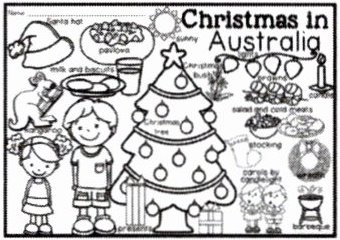
How are you? Did you have a nice summer holiday? I didn't, because it was winter in Australia then.
I have lived in Australia for half a year. I have made a lot of new friends at school. Most of them are taller than me. Some of them also come from China.
We usually speak Chinese, but we must speak English when we have classes in the classroom. At weekends, Dad, Mum and I go shopping in the morning and have a picnic in a park in the afternoon. Sometimes my dad asks my cousin Allan to join us in the park. On Friday evening, we go to a Chinese restaurant with my grandparents for dinner. We go there once a week. We never go to the cinema because the tickets are very dear. I like Australia, because the people here are friendly and helpful. Come and visit us and other relatives here at Christmas.
With love from your cousin,
Jenny
(
A. winter
B. summer
C. autumn
D. spring
(
A. For 6 months.
B. For 6 years.
C. For 6 weeks.
D. For a year.
(
A. Twice a month.
B. Twice a week.
C. Once a month.
D. Once a week.
(
A. cheap
B. expensive
C. lovely
D. important
(
A. All Jenny's new friends are from China.
B. Now there are five people in her family.
C. Australians are unfriendly to her family.
D. Emily is one of Jenny's cousins in China.
14 September
Dear Emily,
How are you? Did you have a nice summer holiday? I didn't, because it was winter in Australia then.
I have lived in Australia for half a year. I have made a lot of new friends at school. Most of them are taller than me. Some of them also come from China.
We usually speak Chinese, but we must speak English when we have classes in the classroom. At weekends, Dad, Mum and I go shopping in the morning and have a picnic in a park in the afternoon. Sometimes my dad asks my cousin Allan to join us in the park. On Friday evening, we go to a Chinese restaurant with my grandparents for dinner. We go there once a week. We never go to the cinema because the tickets are very dear. I like Australia, because the people here are friendly and helpful. Come and visit us and other relatives here at Christmas.
With love from your cousin,
Jenny
(
B
)1. Australians spend their Christmas in ______.A. winter
B. summer
C. autumn
D. spring
(
A
)2. How long have Jenny lived in Australia?A. For 6 months.
B. For 6 years.
C. For 6 weeks.
D. For a year.
(
D
)3. How often do Jenny go to the Chinese restaurant for dinner?A. Twice a month.
B. Twice a week.
C. Once a month.
D. Once a week.
(
B
)4. The underlined word “dear” means “______” here.A. cheap
B. expensive
C. lovely
D. important
(
D
)5. Which of the following is TRUE about Jenny's letter?A. All Jenny's new friends are from China.
B. Now there are five people in her family.
C. Australians are unfriendly to her family.
D. Emily is one of Jenny's cousins in China.
答案:
【解析】:1. 题目问澳大利亚人在什么季节过圣诞节。信中提到“because it was winter in Australia then”(那时澳大利亚是冬天),而那时指暑假,通常暑假在北半球是夏季,澳大利亚在南半球,季节相反,所以圣诞节在澳大利亚是夏季,选B。
2. 问题是Jenny在澳大利亚住了多久。文中明确说“I have lived in Australia for half a year.”,half a year就是6个月,选A。
3. 询问Jenny多久去一次中餐馆吃晚餐。信里写着“We go there once a week.”,所以是每周一次,选D。
4. 划线单词“dear”的意思。前面说“We never go to the cinema because the tickets are very dear.”,从“never go”可推测是票贵,所以“dear”在这里是“expensive”(昂贵的)的意思,选B。
5. 关于Jenny的信,哪个选项正确。A选项“All...are from China”与“Some of them also come from China”不符;B选项未提及家里有五口人;C选项“unfriendly”与“I like Australia, because the people here are friendly”相反;D选项,信开头是“Dear Emily”,结尾是“With love from your cousin, Jenny”,可知Emily是Jenny在中国的表妹,正确,选D。
【答案】:1.B
2.A
3.D
4.B
5.D
2. 问题是Jenny在澳大利亚住了多久。文中明确说“I have lived in Australia for half a year.”,half a year就是6个月,选A。
3. 询问Jenny多久去一次中餐馆吃晚餐。信里写着“We go there once a week.”,所以是每周一次,选D。
4. 划线单词“dear”的意思。前面说“We never go to the cinema because the tickets are very dear.”,从“never go”可推测是票贵,所以“dear”在这里是“expensive”(昂贵的)的意思,选B。
5. 关于Jenny的信,哪个选项正确。A选项“All...are from China”与“Some of them also come from China”不符;B选项未提及家里有五口人;C选项“unfriendly”与“I like Australia, because the people here are friendly”相反;D选项,信开头是“Dear Emily”,结尾是“With love from your cousin, Jenny”,可知Emily是Jenny在中国的表妹,正确,选D。
【答案】:1.B
2.A
3.D
4.B
5.D
查看更多完整答案,请扫码查看

