

 搜索
搜索
第71页
- 第1页
- 第2页
- 第3页
- 第4页
- 第5页
- 第6页
- 第7页
- 第8页
- 第9页
- 第10页
- 第11页
- 第12页
- 第13页
- 第14页
- 第15页
- 第16页
- 第17页
- 第18页
- 第19页
- 第20页
- 第21页
- 第22页
- 第23页
- 第24页
- 第25页
- 第26页
- 第27页
- 第28页
- 第29页
- 第30页
- 第31页
- 第32页
- 第33页
- 第34页
- 第35页
- 第36页
- 第37页
- 第38页
- 第39页
- 第40页
- 第41页
- 第42页
- 第43页
- 第44页
- 第45页
- 第46页
- 第47页
- 第48页
- 第49页
- 第50页
- 第51页
- 第52页
- 第53页
- 第54页
- 第55页
- 第56页
- 第57页
- 第58页
- 第59页
- 第60页
- 第61页
- 第62页
- 第63页
- 第64页
- 第65页
- 第66页
- 第67页
- 第68页
- 第69页
- 第70页
- 第71页
- 第72页
- 第73页
- 第74页
- 第75页
- 第76页
- 第77页
- 第78页
- 第79页
- 第80页
- 第81页
- 第82页
- 第83页
- 第84页
- 第85页
- 第86页
- 第87页
- 第88页
- 第89页
- 第90页
- 第91页
- 第92页
- 第93页
- 第94页
- 第95页
- 第96页
- 第97页
- 第98页
- 第99页
- 第100页
1. The newspaper has reported the good news. (改为否定句)
The newspaper
2. The Garden School's sports ground is very tidy. (改为感叹句)
3. They'll go to Shanghai Disneyland Park by underground. (对画线部分提问)
4. What's Samuel's age? (保持原句意思基本不变)
5. have, you, run, to, catch, the, Frisbee, to (连词成句)
The newspaper
hasn't
reported the good news yet
.2. The Garden School's sports ground is very tidy. (改为感叹句)
How
tidy
the Garden School's sports ground is!3. They'll go to Shanghai Disneyland Park by underground. (对画线部分提问)
How
will
they go to Shanghai Disneyland Park?4. What's Samuel's age? (保持原句意思基本不变)
How
old
is Samuel?5. have, you, run, to, catch, the, Frisbee, to (连词成句)
You have to run to catch the Frisbee
.
答案:
【解析】:1. 本题考查现在完成时的否定句。原句是现在完成时“has reported”,否定句在助动词has后加not,缩写为hasn't,同时句末用yet表示“还未”。
2. 本题考查感叹句。原句形容词是tidy,感叹句结构为“How+形容词+主语+谓语!”,所以用How tidy。
3. 本题考查对交通方式提问。画线部分“by underground”是方式,用疑问词How,原句是一般将来时,助动词will提前。
4. 本题考查同义句转换。“What's one's age?”的同义句是“How old is...?”,询问年龄。
5. 本题考查连词成句。主语是you,“have to”表示“不得不”,“run to catch the Frisbee”表示“跑去接飞盘”,组合起来是“You have to run to catch the Frisbee.”。
【答案】:1. hasn't; yet
2. How; tidy
3. How; will
4. How; old
5. You have to run to catch the Frisbee
2. 本题考查感叹句。原句形容词是tidy,感叹句结构为“How+形容词+主语+谓语!”,所以用How tidy。
3. 本题考查对交通方式提问。画线部分“by underground”是方式,用疑问词How,原句是一般将来时,助动词will提前。
4. 本题考查同义句转换。“What's one's age?”的同义句是“How old is...?”,询问年龄。
5. 本题考查连词成句。主语是you,“have to”表示“不得不”,“run to catch the Frisbee”表示“跑去接飞盘”,组合起来是“You have to run to catch the Frisbee.”。
【答案】:1. hasn't; yet
2. How; tidy
3. How; will
4. How; old
5. You have to run to catch the Frisbee
Ⅵ. Answer the questions.
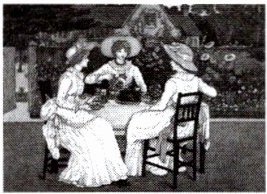
Some Chinese students are visiting their English teacher Mrs Priestly in London. Mrs Priestly is telling them about what an English family life is like.
Our house is big in the countryside. I can't do all the housework by myself. So I have Susan and Lizzie to help me. Lizzie's job is to cook meals for us. Susan's job is to tidy up the house. We have breakfast at 8 a. m. I like to begin the day well, so our breakfast is always a good one. We have lunch at 1 p. m. We have afternoon tea at 5 p. m. Susan brings in tea with plates of bread, butter and cookies. At about 8 p. m. we have dinner. We usually go to bed at 11 p. m. That's what our life is like every day.
1. Are the Chinese students in China or in the UK now?
2. Where is Mrs Priestly's house?
3. What is Lizzie?
4. The underlined word "one" means "
5. What does the Priestly family have for afternoon tea?
6. When do they usually go to sleep?
Some Chinese students are visiting their English teacher Mrs Priestly in London. Mrs Priestly is telling them about what an English family life is like.
Our house is big in the countryside. I can't do all the housework by myself. So I have Susan and Lizzie to help me. Lizzie's job is to cook meals for us. Susan's job is to tidy up the house. We have breakfast at 8 a. m. I like to begin the day well, so our breakfast is always a good one. We have lunch at 1 p. m. We have afternoon tea at 5 p. m. Susan brings in tea with plates of bread, butter and cookies. At about 8 p. m. we have dinner. We usually go to bed at 11 p. m. That's what our life is like every day.
1. Are the Chinese students in China or in the UK now?
In the UK.
2. Where is Mrs Priestly's house?
In the countryside.
3. What is Lizzie?
A cook.
4. The underlined word "one" means "
breakfast
".5. What does the Priestly family have for afternoon tea?
Tea, bread, butter and cookies.
6. When do they usually go to sleep?
At 11 p.m.
答案:
【解析】:1. 题目问中国学生现在在中国还是英国。原文开头“Some Chinese students are visiting their English teacher Mrs Priestly in London.”,London在英国,所以答案是In the UK.
2. 问Priestly夫人的房子在哪里。文中“Our house is big in the countryside.”,直接可知在乡下,答案是In the countryside.
3. 问Lizzie是做什么的。文中“Lizzie's job is to cook meals for us.”,做饭的人是厨师,答案是A cook.
4. 划线词“one”的意思。前文“I like to begin the day well, so our breakfast is always a good one.”,这里“one”指代前面提到的breakfast,答案是breakfast.
5. 问Priestly一家下午茶吃什么。文中“Susan brings in tea with plates of bread, butter and cookies.”,明确提到茶、面包、黄油和饼干,答案是Tea, bread, butter and cookies.
6. 问他们通常什么时候睡觉。文中“We usually go to bed at 11 p.m.”,“go to bed”即“go to sleep”,答案是At 11 p.m.
【答案】:1. In the UK.
2. In the countryside.
3. A cook.
4. breakfast
5. Tea, bread, butter and cookies.
6. At 11 p.m.
2. 问Priestly夫人的房子在哪里。文中“Our house is big in the countryside.”,直接可知在乡下,答案是In the countryside.
3. 问Lizzie是做什么的。文中“Lizzie's job is to cook meals for us.”,做饭的人是厨师,答案是A cook.
4. 划线词“one”的意思。前文“I like to begin the day well, so our breakfast is always a good one.”,这里“one”指代前面提到的breakfast,答案是breakfast.
5. 问Priestly一家下午茶吃什么。文中“Susan brings in tea with plates of bread, butter and cookies.”,明确提到茶、面包、黄油和饼干,答案是Tea, bread, butter and cookies.
6. 问他们通常什么时候睡觉。文中“We usually go to bed at 11 p.m.”,“go to bed”即“go to sleep”,答案是At 11 p.m.
【答案】:1. In the UK.
2. In the countryside.
3. A cook.
4. breakfast
5. Tea, bread, butter and cookies.
6. At 11 p.m.
查看更多完整答案,请扫码查看

