

 搜索
搜索
第104页
- 第1页
- 第2页
- 第3页
- 第4页
- 第5页
- 第6页
- 第7页
- 第8页
- 第9页
- 第10页
- 第11页
- 第12页
- 第13页
- 第14页
- 第15页
- 第16页
- 第17页
- 第18页
- 第19页
- 第20页
- 第21页
- 第22页
- 第23页
- 第24页
- 第25页
- 第26页
- 第27页
- 第28页
- 第29页
- 第30页
- 第31页
- 第32页
- 第33页
- 第34页
- 第35页
- 第36页
- 第37页
- 第38页
- 第39页
- 第40页
- 第41页
- 第42页
- 第43页
- 第44页
- 第45页
- 第46页
- 第47页
- 第48页
- 第49页
- 第50页
- 第51页
- 第52页
- 第53页
- 第54页
- 第55页
- 第56页
- 第57页
- 第58页
- 第59页
- 第60页
- 第61页
- 第62页
- 第63页
- 第64页
- 第65页
- 第66页
- 第67页
- 第68页
- 第69页
- 第70页
- 第71页
- 第72页
- 第73页
- 第74页
- 第75页
- 第76页
- 第77页
- 第78页
- 第79页
- 第80页
- 第81页
- 第82页
- 第83页
- 第84页
- 第85页
- 第86页
- 第87页
- 第88页
- 第89页
- 第90页
- 第91页
- 第92页
- 第93页
- 第94页
- 第95页
- 第96页
- 第97页
- 第98页
- 第99页
- 第100页
- 第101页
- 第102页
- 第103页
- 第104页
- 第105页
- 第106页
二、阅读理解
A
Millions of words are around me all the time. Each word is different and special. In my mind, words pile up like big hills—sentences, jokes, and songs. When I was a baby, I started to love words. To me, they were like sweet drinks, full of meaning and fun. Words helped me understand what I was thinking and feeling. My parents always talked to me. They sang, whispered, and told me stories. I remembered every word they said.
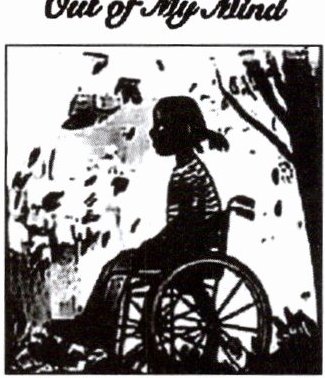
I don't know how I learned to understand words, but it happened quickly. By the time I was two, my mind was full of words, and I knew what they meant. But I never said a word. Now I'm almost eleven.
When I was little, Dad read to me every night. He would say, "Baby Melody, let's read a book together." Even when he was tired, he'd smile and read books like Where the Wild Things Are. I knew all the words by heart. But I never spoke a word.
I think I have a photographic memory. It is like a camera—when I see or hear something, I remember it forever(永远). But nobody knows this, not even my mum. She knows I'm smart, but she doesn't know how much I remember. It drives me crazy.
One time, when I was four, I saw a toy on TV that was unsafe for kids. Later, when I saw it at the store with Mum, I tried to tell her, but I couldn't talk. I screamed and pointed, but she thought I just wanted the toy. She got angry, and I cried. Things like that always happen—I just cannot express(表达) myself!
—Adapted from Out of My Mind
1. What did Melody's dad do with her every evening when she was little?
A. He read books to her.
B. He helped her to write.
C. He taught her to speak.
D. He watched TV with her.
2. Why does Melody think she has a photographic memory?
A. She can speak clearly and remember long numbers.
B. She likes to take pictures everywhere with her camera.
C. She remembers things forever if she sees or hears them.
D. Her mother once told her that she had the special ability.
3. What did Melody try to tell her mum when she saw a toy in a store?
A. The toy sold there was expensive.
B. The toy was unsafe for children.
C. She didn't like the children's toy.
D. She wanted to play with the toy.
4. What can we know about Melody's problems from the passage?
A. She doesn't want to speak.
B. She is unable to speak clearly.
C. She cannot understand others.
D. She cannot remember the words.
A
Millions of words are around me all the time. Each word is different and special. In my mind, words pile up like big hills—sentences, jokes, and songs. When I was a baby, I started to love words. To me, they were like sweet drinks, full of meaning and fun. Words helped me understand what I was thinking and feeling. My parents always talked to me. They sang, whispered, and told me stories. I remembered every word they said.
I don't know how I learned to understand words, but it happened quickly. By the time I was two, my mind was full of words, and I knew what they meant. But I never said a word. Now I'm almost eleven.
When I was little, Dad read to me every night. He would say, "Baby Melody, let's read a book together." Even when he was tired, he'd smile and read books like Where the Wild Things Are. I knew all the words by heart. But I never spoke a word.
I think I have a photographic memory. It is like a camera—when I see or hear something, I remember it forever(永远). But nobody knows this, not even my mum. She knows I'm smart, but she doesn't know how much I remember. It drives me crazy.
One time, when I was four, I saw a toy on TV that was unsafe for kids. Later, when I saw it at the store with Mum, I tried to tell her, but I couldn't talk. I screamed and pointed, but she thought I just wanted the toy. She got angry, and I cried. Things like that always happen—I just cannot express(表达) myself!
—Adapted from Out of My Mind
1. What did Melody's dad do with her every evening when she was little?
A. He read books to her.
B. He helped her to write.
C. He taught her to speak.
D. He watched TV with her.
2. Why does Melody think she has a photographic memory?
A. She can speak clearly and remember long numbers.
B. She likes to take pictures everywhere with her camera.
C. She remembers things forever if she sees or hears them.
D. Her mother once told her that she had the special ability.
3. What did Melody try to tell her mum when she saw a toy in a store?
A. The toy sold there was expensive.
B. The toy was unsafe for children.
C. She didn't like the children's toy.
D. She wanted to play with the toy.
4. What can we know about Melody's problems from the passage?
A. She doesn't want to speak.
B. She is unable to speak clearly.
C. She cannot understand others.
D. She cannot remember the words.
答案:
1. A 提示:细节理解题。根据第三段中"When I was little, Dad read to me every night."可知,梅乐迪 的爸爸在她小时候每天晚上给她读书。
2. C 提示:细节理解题。根据第四段中"I think I have a photographic memory. It is like a camera—when I see or hear something, I remember it forever."可知,因为梅乐迪能永久记住看到或听到 的东西,所以她认为她有照相机一样 的记忆力。
3. B 提示:细节理解题。根据最后一段中"One time, when I was four, I saw a toy on TV that was unsafe for kids. Later, when I saw it at the store with Mum, I tried to tell her, but I couldn't talk."可知,梅乐迪四岁时,有一次她在电视上看到一个对孩子来说不安全 的玩具。后来当她和妈妈在商店看到这个玩具时,她想告诉妈妈,但说不出话来。
4. B 提示:细节理解题。根据最后一段中"Things like that always happen—I just cannot express myself!"可知,她 的问题在于不能清晰地表达。
2. C 提示:细节理解题。根据第四段中"I think I have a photographic memory. It is like a camera—when I see or hear something, I remember it forever."可知,因为梅乐迪能永久记住看到或听到 的东西,所以她认为她有照相机一样 的记忆力。
3. B 提示:细节理解题。根据最后一段中"One time, when I was four, I saw a toy on TV that was unsafe for kids. Later, when I saw it at the store with Mum, I tried to tell her, but I couldn't talk."可知,梅乐迪四岁时,有一次她在电视上看到一个对孩子来说不安全 的玩具。后来当她和妈妈在商店看到这个玩具时,她想告诉妈妈,但说不出话来。
4. B 提示:细节理解题。根据最后一段中"Things like that always happen—I just cannot express myself!"可知,她 的问题在于不能清晰地表达。
查看更多完整答案,请扫码查看

