

 搜索
搜索
第49页
- 第1页
- 第2页
- 第3页
- 第4页
- 第5页
- 第6页
- 第7页
- 第8页
- 第9页
- 第10页
- 第11页
- 第12页
- 第13页
- 第14页
- 第15页
- 第16页
- 第17页
- 第18页
- 第19页
- 第20页
- 第21页
- 第22页
- 第23页
- 第24页
- 第25页
- 第26页
- 第27页
- 第28页
- 第29页
- 第30页
- 第31页
- 第32页
- 第33页
- 第34页
- 第35页
- 第36页
- 第37页
- 第38页
- 第39页
- 第40页
- 第41页
- 第42页
- 第43页
- 第44页
- 第45页
- 第46页
- 第47页
- 第48页
- 第49页
- 第50页
- 第51页
- 第52页
- 第53页
- 第54页
- 第55页
- 第56页
- 第57页
- 第58页
- 第59页
- 第60页
- 第61页
- 第62页
- 第63页
- 第64页
- 第65页
- 第66页
- 第67页
- 第68页
- 第69页
- 第70页
- 第71页
- 第72页
- 第73页
- 第74页
- 第75页
- 第76页
- 第77页
- 第78页
- 第79页
- 第80页
- 第81页
- 第82页
- 第83页
- 第84页
- 第85页
- 第86页
- 第87页
- 第88页
- 第89页
- 第90页
- 第91页
- 第92页
- 第93页
- 第94页
- 第95页
- 第96页
- 第97页
- 第98页
- 第99页
- 第100页
- 第101页
- 第102页
- 第103页
- 第104页
- 第105页
- 第106页
- 第107页
- 第108页
- 第109页
- 第110页
- 第111页
- 第112页
- 第113页
- 第114页
- 第115页
- 第116页
- 第117页
- 第118页
- 第119页
- 第120页
- 第121页
- 第122页
- 第123页
- 第124页
- 第125页
- 第126页
- 第127页
- 第128页
- 第129页
- 第130页
- 第131页
- 第132页
- 第133页
- 第134页
- 第135页
- 第136页
- 第137页
- 第138页
- 第139页
- 第140页
- 第141页
- 第142页
- 第143页
- 第144页
- 第145页
- 第146页
- 第147页
- 第148页
- 第149页
- 第150页
- 第151页
- 第152页
- 第153页
- 第154页
- 第155页
- 第156页
- 第157页
- 第158页
- 第159页
- 第160页
- 第161页
- 第162页
- 第163页
- 第164页
- 第165页
- 第166页
- 第167页
- 第168页
- 第169页
- 第170页
- 第171页
- 第172页
- 第173页
- 第174页
- 第175页
- 第176页
(
A.with
B.towards
C.against
D.in the front of
C
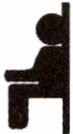
)1. To do the wall sit,squat with your back ______ the wall and feet on the ground.A.with
B.towards
C.against
D.in the front of
答案:
【解析】:
这是一道英语选择题,考查的是介词的用法。题目描述了一个靠墙蹲的动作,需要选择一个合适的介词来表达“背靠着墙”的意思。
A选项“with”表示伴随,不符合语境;
B选项“towards”表示方向,也不符合;
D选项“in the front of”通常用于表示在某个物体内部的前部,与题意不符;
C选项“against”表示紧贴或靠着某个物体,符合题目中“背靠着墙”的描述。
【答案】:
C
这是一道英语选择题,考查的是介词的用法。题目描述了一个靠墙蹲的动作,需要选择一个合适的介词来表达“背靠着墙”的意思。
A选项“with”表示伴随,不符合语境;
B选项“towards”表示方向,也不符合;
D选项“in the front of”通常用于表示在某个物体内部的前部,与题意不符;
C选项“against”表示紧贴或靠着某个物体,符合题目中“背靠着墙”的描述。
【答案】:
C
(
A.at;in
B.in;into
C.for;in
D.in;for
B
)2. —Xu Yuanchong was truly talented ______ languages—he could even rhyme poems in English! —Yes! He translated those Chinese classics ______ world-famous masterpieces!A.at;in
B.in;into
C.for;in
D.in;for
答案:
B
解析:第一空考查固定搭配"be talented in",表示"在……方面有天赋",故填"in";第二空考查固定搭配"translate...into...",表示"把……翻译成……",故填"into"。因此答案为B。
解析:第一空考查固定搭配"be talented in",表示"在……方面有天赋",故填"in";第二空考查固定搭配"translate...into...",表示"把……翻译成……",故填"into"。因此答案为B。
( )3. —Life is like a race. You either take the lead or ______. —Yes,we should try our best.
A.fall over
B.fall from
C.fall down
D.fall behind
D
A.fall over
B.fall from
C.fall down
D.fall behind
答案:
【解析】:这是一道英语词汇辨析题,主要考查对短语动词的理解和运用。题目通过比喻“生活就像一场比赛”来引出下文,需要选择一个与“take the lead”(领先)相对应的短语,表达在比赛中可能发生的另一种情况。
A选项“fall over”意为“摔倒”,B选项“fall from”意为“从…掉落”,这两个选项与比赛中的领先或落后状态不直接相关。
C选项“fall down”也有“摔倒”的意思,同样不符合语境。
D选项“fall behind”意为“落后”,与“take the lead”形成对比,符合题目中“生活就像一场比赛,你要么领先,要么…”的语境。
【答案】:D
A选项“fall over”意为“摔倒”,B选项“fall from”意为“从…掉落”,这两个选项与比赛中的领先或落后状态不直接相关。
C选项“fall down”也有“摔倒”的意思,同样不符合语境。
D选项“fall behind”意为“落后”,与“take the lead”形成对比,符合题目中“生活就像一场比赛,你要么领先,要么…”的语境。
【答案】:D
(
—Talking about the weather is a common way.
A.introduction
B.information
C.suggestion
D.conversation
D
)4. —Do you know how to start a(n) ______ with a foreigner?—Talking about the weather is a common way.
A.introduction
B.information
C.suggestion
D.conversation
答案:
【解析】:
这是一道英语词汇辨析题,主要考查学生对名词词义的理解以及上下文语境的运用。题目中的对话是关于如何与外国人开始一个什么,根据答语“Talking about the weather is a common way.”(谈论天气是一个常见的方法。)可以推断出问句是在询问如何与外国人开始一个“对话”。因此,需要对四个选项进行辨析,找出最符合语境的答案。
A选项“introduction”意为“介绍”,B选项“information”意为“信息”,C选项“suggestion”意为“建议”,D选项“conversation”意为“对话”。根据对话内容,只有D选项符合语境。
【答案】:
D
这是一道英语词汇辨析题,主要考查学生对名词词义的理解以及上下文语境的运用。题目中的对话是关于如何与外国人开始一个什么,根据答语“Talking about the weather is a common way.”(谈论天气是一个常见的方法。)可以推断出问句是在询问如何与外国人开始一个“对话”。因此,需要对四个选项进行辨析,找出最符合语境的答案。
A选项“introduction”意为“介绍”,B选项“information”意为“信息”,C选项“suggestion”意为“建议”,D选项“conversation”意为“对话”。根据对话内容,只有D选项符合语境。
【答案】:
D
( )5. —I'm sure that Jack will win the competition. He is such a strong player.
—You can't
A.develop
B.decide
C.predict
D.imagine
—You can't
C
everything. Not everything goes on as you expect.A.develop
B.decide
C.predict
D.imagine
答案:
【解析】:这是一道英语词汇辨析题,主要考查学生对动词词义的理解以及在语境中的运用能力。题目通过一段对话设置情境,上句提到“我确信Jack会赢得比赛,他是个很强的选手”,下句回应“你不能_____一切,不是所有事情都如你所愿”。需要从四个选项中选择一个最符合语境的动词。
A选项“develop”意为“发展;开发”,与语境不符;
B选项“decide”意为“决定”,在此处也不合适,因为句子表达的不是决定某事的意思;
C选项“predict”意为“预测”,符合语境,即不能预测一切事情都会按预期发展;
D选项“imagine”意为“想象”,与语境不符。
【答案】:C
A选项“develop”意为“发展;开发”,与语境不符;
B选项“decide”意为“决定”,在此处也不合适,因为句子表达的不是决定某事的意思;
C选项“predict”意为“预测”,符合语境,即不能预测一切事情都会按预期发展;
D选项“imagine”意为“想象”,与语境不符。
【答案】:C
(
—Yes. It was ______ in 1776;it has a history of less than 250 years.
A.found;founded
B.founded;found
C.found;found
D.founded;founded
A
)6. —Have you ______ out when the United States of America started?—Yes. It was ______ in 1776;it has a history of less than 250 years.
A.found;founded
B.founded;found
C.found;found
D.founded;founded
答案:
解:第一空,“Have you... out”为现在完成时,需用过去分词。“find out”表示“查明”,其过去分词是“found”。
第二空,“It was... in 1776”为被动语态,“建立”是“found”,其过去分词是“founded”。
答案:A
第二空,“It was... in 1776”为被动语态,“建立”是“found”,其过去分词是“founded”。
答案:A
(
—Yeah,this is also one of the reasons why she can always get good grades in the exams.
A.sets;apart
B.sets;up
C.sets;off
D.sets;down
A
)7. —Lucy's ability to solve problems quickly really ______ her ______ from others.—Yeah,this is also one of the reasons why she can always get good grades in the exams.
A.sets;apart
B.sets;up
C.sets;off
D.sets;down
答案:
【解析】:
本题考察的是动词短语的意义和用法。题目中提到了Lucy快速解决问题的能力使她与其他人有所区别,这是她能在考试中取得好成绩的原因之一。我们需要找到一个动词短语,能够表达“使...与众不同”或“使...突出”的意思。
A选项“sets;apart”意为“使...与众不同”,符合句意。
B选项“sets;up”意为“建立”,与句意不符。
C选项“sets;off”意为“出发,动身”,与句意不符。
D选项“sets;down”意为“写下,记下”,与句意不符。
根据以上分析,A选项“sets;apart”最符合题意。
【答案】:
A
本题考察的是动词短语的意义和用法。题目中提到了Lucy快速解决问题的能力使她与其他人有所区别,这是她能在考试中取得好成绩的原因之一。我们需要找到一个动词短语,能够表达“使...与众不同”或“使...突出”的意思。
A选项“sets;apart”意为“使...与众不同”,符合句意。
B选项“sets;up”意为“建立”,与句意不符。
C选项“sets;off”意为“出发,动身”,与句意不符。
D选项“sets;down”意为“写下,记下”,与句意不符。
根据以上分析,A选项“sets;apart”最符合题意。
【答案】:
A
( )8.
A.In order to
B.To prevent
C.In order not to
D.In order to not
C
get lost in the forest,we'd better take a compass(指南针) with us.A.In order to
B.To prevent
C.In order not to
D.In order to not
答案:
【解析】:本题考查的是目的状语从句的用法,以及否定短语的构成。题目中提到了一个建议,即为了不在森林里迷路,我们最好带上指南针。我们需要找到一个表示“为了不...”的短语。
A. In order to 表示“为了...”,但后面接的是肯定的动作,不符合题意。
B. To prevent 表示“为了阻止...”,但它后面通常接动名词形式,且此选项没有表达出“我们”作为主语的动作,不符合题意。
C. In order not to 表示“为了不...”,后面可以接动词原形,符合题意。
D. In order to not 语法上不正确,否定词“not”应该放在“to”之前,构成“in order not to”。
根据以上分析,我们可以确定正确答案是C,因为它正确地表达了“为了不...”的意思,并且语法上也是正确的。
【答案】:C
A. In order to 表示“为了...”,但后面接的是肯定的动作,不符合题意。
B. To prevent 表示“为了阻止...”,但它后面通常接动名词形式,且此选项没有表达出“我们”作为主语的动作,不符合题意。
C. In order not to 表示“为了不...”,后面可以接动词原形,符合题意。
D. In order to not 语法上不正确,否定词“not”应该放在“to”之前,构成“in order not to”。
根据以上分析,我们可以确定正确答案是C,因为它正确地表达了“为了不...”的意思,并且语法上也是正确的。
【答案】:C
( )9. —Could I keep your laptop computer?
—With pleasure. But you must ______ it before this Friday. I'll use it at the weekend.
A.lend
B.return
C.keep
D.give
—With pleasure. But you must ______ it before this Friday. I'll use it at the weekend.
B
A.lend
B.return
C.keep
D.give
答案:
【解析】:这是一道英语词汇辨析题,主要考查学生对动词词义的理解及在语境中的运用能力。题目中对话的意思是“——我可以用你的笔记本电脑吗?——很乐意。但你必须在这周五之前____它。我周末要用。”。A选项“lend”意为“借出”;B选项“return”意为“归还”;C选项“keep”意为“保存,保留”;D选项“give”意为“给”。根据对话语境,这里应该是要在周五之前归还电脑,所以应该选择“return”。
【答案】:B
【答案】:B
(
—Well,they carry so much history and culture.
A.curious
B.creative
C.energetic
D.humorous
A
)10. —I'm ______ about why you like to visit so many places in China,David.—Well,they carry so much history and culture.
A.curious
B.creative
C.energetic
D.humorous
答案:
【解析】:这是一道英语词汇辨析题,主要考查学生对形容词词义的理解以及根据语境选择恰当词汇的能力。题目中对话表达了一方对另一方喜欢游览中国很多地方的原因感到好奇,需要从四个选项(curious好奇的、creative有创造力的、energetic精力充沛的、humorous幽默的)中选择最符合语境的形容词。根据对话内容“why you like to visit so many places in China”可知,这里表达的是好奇的意思,所以应选择curious。
【答案】:A
【答案】:A
(
—When we are in the zoo,we mustn't ______ the animals.
A.feed
B.touch
C.attack
D.awake
A
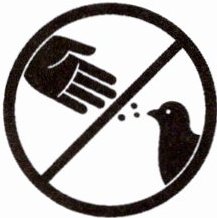
)11. —What does the picture on the right tell the visitors not to do?—When we are in the zoo,we mustn't ______ the animals.
A.feed
B.touch
C.attack
D.awake
答案:
【解析】:这是一道英语选择题,考查的是对图片信息的理解以及动词词义的辨析。题目给出了一个在动物园场景下的禁止标志图片,图片中显示了一只手和一只动物,中间有一条斜线穿过,表示禁止做某事,从图片中可以看到有食物的颗粒,所以应该是禁止投喂动物。接下来需要从四个选项中选择一个符合图片含义的动词。
A选项feed,意为“喂养,投喂”;B选项touch,意为“触摸”;C选项attack,意为“攻击”;D选项awake,意为“唤醒”。根据图片信息以及题目中的语境“When we are in the zoo”(当我们在动物园时),可以判断这里应该是禁止投喂动物。
【答案】:A
A选项feed,意为“喂养,投喂”;B选项touch,意为“触摸”;C选项attack,意为“攻击”;D选项awake,意为“唤醒”。根据图片信息以及题目中的语境“When we are in the zoo”(当我们在动物园时),可以判断这里应该是禁止投喂动物。
【答案】:A
查看更多完整答案,请扫码查看

