

 搜索
搜索
第241页
- 第1页
- 第2页
- 第3页
- 第4页
- 第5页
- 第6页
- 第7页
- 第8页
- 第9页
- 第10页
- 第11页
- 第12页
- 第13页
- 第14页
- 第15页
- 第16页
- 第17页
- 第18页
- 第19页
- 第20页
- 第21页
- 第22页
- 第23页
- 第24页
- 第25页
- 第26页
- 第27页
- 第28页
- 第29页
- 第30页
- 第31页
- 第32页
- 第33页
- 第34页
- 第35页
- 第36页
- 第37页
- 第38页
- 第39页
- 第40页
- 第41页
- 第42页
- 第43页
- 第44页
- 第45页
- 第46页
- 第47页
- 第48页
- 第49页
- 第50页
- 第51页
- 第52页
- 第53页
- 第54页
- 第55页
- 第56页
- 第57页
- 第58页
- 第59页
- 第60页
- 第61页
- 第62页
- 第63页
- 第64页
- 第65页
- 第66页
- 第67页
- 第68页
- 第69页
- 第70页
- 第71页
- 第72页
- 第73页
- 第74页
- 第75页
- 第76页
- 第77页
- 第78页
- 第79页
- 第80页
- 第81页
- 第82页
- 第83页
- 第84页
- 第85页
- 第86页
- 第87页
- 第88页
- 第89页
- 第90页
- 第91页
- 第92页
- 第93页
- 第94页
- 第95页
- 第96页
- 第97页
- 第98页
- 第99页
- 第100页
- 第101页
- 第102页
- 第103页
- 第104页
- 第105页
- 第106页
- 第107页
- 第108页
- 第109页
- 第110页
- 第111页
- 第112页
- 第113页
- 第114页
- 第115页
- 第116页
- 第117页
- 第118页
- 第119页
- 第120页
- 第121页
- 第122页
- 第123页
- 第124页
- 第125页
- 第126页
- 第127页
- 第128页
- 第129页
- 第130页
- 第131页
- 第132页
- 第133页
- 第134页
- 第135页
- 第136页
- 第137页
- 第138页
- 第139页
- 第140页
- 第141页
- 第142页
- 第143页
- 第144页
- 第145页
- 第146页
- 第147页
- 第148页
- 第149页
- 第150页
- 第151页
- 第152页
- 第153页
- 第154页
- 第155页
- 第156页
- 第157页
- 第158页
- 第159页
- 第160页
- 第161页
- 第162页
- 第163页
- 第164页
- 第165页
- 第166页
- 第167页
- 第168页
- 第169页
- 第170页
- 第171页
- 第172页
- 第173页
- 第174页
- 第175页
- 第176页
- 第177页
- 第178页
- 第179页
- 第180页
- 第181页
- 第182页
- 第183页
- 第184页
- 第185页
- 第186页
- 第187页
- 第188页
- 第189页
- 第190页
- 第191页
- 第192页
- 第193页
- 第194页
- 第195页
- 第196页
- 第197页
- 第198页
- 第199页
- 第200页
- 第201页
- 第202页
- 第203页
- 第204页
- 第205页
- 第206页
- 第207页
- 第208页
- 第209页
- 第210页
- 第211页
- 第212页
- 第213页
- 第214页
- 第215页
- 第216页
- 第217页
- 第218页
- 第219页
- 第220页
- 第221页
- 第222页
- 第223页
- 第224页
- 第225页
- 第226页
- 第227页
- 第228页
- 第229页
- 第230页
- 第231页
- 第232页
- 第233页
- 第234页
- 第235页
- 第236页
- 第237页
- 第238页
- 第239页
- 第240页
- 第241页
- 第242页
- 第243页
- 第244页
- 第245页
D
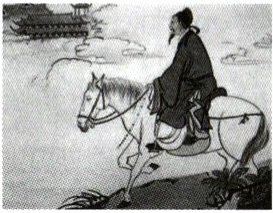
Modern travellers enjoy safe, comfortable transportation from high-speed trains to planes. We also have lots of information to stay updated on our journey. But in history, travel was different. Let’s explore ancient China. What was travelling like back then?
Travel in control
Before the Song dynasty, the country strictly controlled the movement of common people. Commerce(商业) began to appear in the Song dynasty, and the growing wealth led to the rise of an early tourism industry.
However, this golden period ended. Zhu Yuanzhang, the ruler of the Ming dynasty, renewed(重新开始) strict travel control. Movement was still common if it was managed by the country. The government would send soldiers and craftsmen wherever they were needed, and everything was planned before.
After the Ming dynasty, the country allowed more freedom for people to travel on their own.
Danger on the road
Ancient travel was very dangerous. People worried about the many dangers they could face on their journeys.
For example, distances(距离) didn’t often stay the same over time—“Ten li” in one place might be different from “ten li” in another. This could be a big problem. Failing to understand the distance could leave travellers alone in faraway areas with no hotels around. This was very dangerous for single travellers.
Travel guides also warned readers about dangerous roads and areas to avoid. Theft and robbery were also common on the road. In short, it was very dangerous out there.
Ancient Travelogues(旅行日志)
We’re not short of travel records from ancient people. School textbooks often include famous articles like “Eight Records of Excursions in Yongzhou(《永州八记》)” “An Account of the Old Drunkard’s Pavilion(《醉翁亭记》)” and “Night Tour of Chengtian Temple(《记承天寺夜游》)”. All of them come from travels.
Writers paid more attention to sights and feelings instead of detailed travel travelogues. However, these records show their personal interests, giving us a clear look into ancient daily life.
Much like how we take holiday photos today, ancient people added drawings to their travelogues. In the Ming dynasty, Wang Shizhen, an officer, travelled from Taicang to Beijing. He brought a painter who made drawings for each stop. They created 30 to 40 paintings that are still kept today. These drawings give us valuable knowledge.
(
A. Before the Song dynasty.
B. In the Song dynasty.
C. In the Ming dynasty.
D. After the Ming dynasty.
(
A. Making travel plans was more popular.
B. The tourism industry was further developed.
C. People were allowed to travel by themselves.
D. Movement was strictly managed by the country.
(
A. To fight with thieves and robbers.
B. To carry maps with clear pictures.
C. To avoid travelling with strangers.
D. To stay away from dangerous roads.
(
A. By hiring writers to record travels.
B. By telling others sights and feelings.
C. By writing travelogues and drawing.
D. By collecting drawings for each stop.
(
A. Travel in ancient China
B. Works of ancient travel
C. Changes of travel styles
D. Challenges of ancient travel
Modern travellers enjoy safe, comfortable transportation from high-speed trains to planes. We also have lots of information to stay updated on our journey. But in history, travel was different. Let’s explore ancient China. What was travelling like back then?
Travel in control
Before the Song dynasty, the country strictly controlled the movement of common people. Commerce(商业) began to appear in the Song dynasty, and the growing wealth led to the rise of an early tourism industry.
However, this golden period ended. Zhu Yuanzhang, the ruler of the Ming dynasty, renewed(重新开始) strict travel control. Movement was still common if it was managed by the country. The government would send soldiers and craftsmen wherever they were needed, and everything was planned before.
After the Ming dynasty, the country allowed more freedom for people to travel on their own.
Danger on the road
Ancient travel was very dangerous. People worried about the many dangers they could face on their journeys.
For example, distances(距离) didn’t often stay the same over time—“Ten li” in one place might be different from “ten li” in another. This could be a big problem. Failing to understand the distance could leave travellers alone in faraway areas with no hotels around. This was very dangerous for single travellers.
Travel guides also warned readers about dangerous roads and areas to avoid. Theft and robbery were also common on the road. In short, it was very dangerous out there.
Ancient Travelogues(旅行日志)
We’re not short of travel records from ancient people. School textbooks often include famous articles like “Eight Records of Excursions in Yongzhou(《永州八记》)” “An Account of the Old Drunkard’s Pavilion(《醉翁亭记》)” and “Night Tour of Chengtian Temple(《记承天寺夜游》)”. All of them come from travels.
Writers paid more attention to sights and feelings instead of detailed travel travelogues. However, these records show their personal interests, giving us a clear look into ancient daily life.
Much like how we take holiday photos today, ancient people added drawings to their travelogues. In the Ming dynasty, Wang Shizhen, an officer, travelled from Taicang to Beijing. He brought a painter who made drawings for each stop. They created 30 to 40 paintings that are still kept today. These drawings give us valuable knowledge.
(
B
)56. When did the early tourism industry start?A. Before the Song dynasty.
B. In the Song dynasty.
C. In the Ming dynasty.
D. After the Ming dynasty.
(
D
)57. What result did Emperor Zhu Yuanzhang’s rules lead to?A. Making travel plans was more popular.
B. The tourism industry was further developed.
C. People were allowed to travel by themselves.
D. Movement was strictly managed by the country.
(
D
)58. What did travel guides advise ancient travellers to do?A. To fight with thieves and robbers.
B. To carry maps with clear pictures.
C. To avoid travelling with strangers.
D. To stay away from dangerous roads.
(
C
)59. How did ancient travellers record their journeys?A. By hiring writers to record travels.
B. By telling others sights and feelings.
C. By writing travelogues and drawing.
D. By collecting drawings for each stop.
(
A
)60. What’s the best title for the passage?A. Travel in ancient China
B. Works of ancient travel
C. Changes of travel styles
D. Challenges of ancient travel
答案:
D 【文章大意】本文是一篇说明文。文章主要介绍了古代中国的旅行情况。
56.B [解析]细节理解题。根据“Commerce(商业)began to appear in the Song dynasty,and the growing wealth led to the rise of an early tourism industry.”可知,商业在宋朝开始出现,不断增长的财富导致了早期旅游业的兴起,所以早期旅游业开始于宋朝。故选B。
57.D [解析]细节理解题。根据“Zhu Yuanzhang,the ruler of the Ming dynasty,renewed(重新开始)strict travel control. Movement was still common if it was managed by the country.”可知,明朝统治者朱元璋重新开始严格的旅行管控,人员流动如果由国家管理则仍然常见,所以朱元璋的规定导致人员流动由国家严格管理。故选D。
58.D [解析]细节理解题。根据“Travel guides also warned readers about dangerous roads and areas to avoid.”可知,旅行指南会警告读者要避开的危险道路和区域,即建议古代旅行者远离危险道路。故选D。
59.C [解析]细节理解题。根据“Writers paid more attention to sights and feelings instead of detailed travel travelogues.”以及“ancient people added drawings to their travelogues”可知,古代旅行者通过写旅行日志和画画来记录他们的旅行。故选C。
60.A [解析]标题归纳题。文章主要围绕古代中国的旅行展开,包括旅行管控、路上的危险以及古代旅行日志等方面,所以最佳标题是“古代中国的旅行”。故选A。
56.B [解析]细节理解题。根据“Commerce(商业)began to appear in the Song dynasty,and the growing wealth led to the rise of an early tourism industry.”可知,商业在宋朝开始出现,不断增长的财富导致了早期旅游业的兴起,所以早期旅游业开始于宋朝。故选B。
57.D [解析]细节理解题。根据“Zhu Yuanzhang,the ruler of the Ming dynasty,renewed(重新开始)strict travel control. Movement was still common if it was managed by the country.”可知,明朝统治者朱元璋重新开始严格的旅行管控,人员流动如果由国家管理则仍然常见,所以朱元璋的规定导致人员流动由国家严格管理。故选D。
58.D [解析]细节理解题。根据“Travel guides also warned readers about dangerous roads and areas to avoid.”可知,旅行指南会警告读者要避开的危险道路和区域,即建议古代旅行者远离危险道路。故选D。
59.C [解析]细节理解题。根据“Writers paid more attention to sights and feelings instead of detailed travel travelogues.”以及“ancient people added drawings to their travelogues”可知,古代旅行者通过写旅行日志和画画来记录他们的旅行。故选C。
60.A [解析]标题归纳题。文章主要围绕古代中国的旅行展开,包括旅行管控、路上的危险以及古代旅行日志等方面,所以最佳标题是“古代中国的旅行”。故选A。
查看更多完整答案,请扫码查看

