

 搜索
搜索
2026年山东省中考试卷精选九年级英语
注:目前有些书本章节名称可能整理的还不是很完善,但都是按照顺序排列的,请同学们按照顺序仔细查找。练习册 2026年山东省中考试卷精选九年级英语 答案主要是用来给同学们做完题方便对答案用的,请勿直接抄袭。
第7页
- 第1页
- 第2页
- 第3页
- 第4页
- 第5页
- 第6页
- 第7页
- 第8页
- 第9页
- 第10页
- 第11页
- 第12页
- 第13页
- 第14页
- 第15页
- 第16页
- 第17页
- 第18页
- 第19页
- 第20页
- 第21页
- 第22页
- 第23页
- 第24页
- 第25页
- 第26页
- 第27页
- 第28页
- 第29页
- 第30页
- 第31页
- 第32页
- 第33页
- 第34页
- 第35页
- 第36页
- 第37页
- 第38页
- 第39页
- 第40页
- 第41页
- 第42页
- 第43页
- 第44页
- 第45页
- 第46页
- 第47页
- 第48页
- 第49页
- 第50页
- 第51页
- 第52页
- 第53页
- 第54页
- 第55页
- 第56页
- 第57页
- 第58页
- 第59页
- 第60页
- 第61页
- 第62页
- 第63页
- 第64页
- 第65页
- 第66页
- 第67页
- 第68页
- 第69页
- 第70页
- 第71页
- 第72页
- 第73页
- 第74页
- 第75页
- 第76页
- 第77页
- 第78页
- 第79页
- 第80页
- 第81页
- 第82页
- 第83页
- 第84页
- 第85页
- 第86页
- 第87页
- 第88页
- 第89页
- 第90页
- 第91页
- 第92页
- 第93页
- 第94页
- 第95页
- 第96页
- 第97页
- 第98页
- 第99页
- 第100页
- 第101页
- 第102页
- 第103页
- 第104页
- 第105页
- 第106页
- 第107页
- 第108页
- 第109页
- 第110页
- 第111页
- 第112页
- 第113页
- 第114页
- 第115页
- 第116页
- 第117页
- 第118页
- 第119页
- 第120页
- 第121页
- 第122页
- 第123页
- 第124页
- 第125页
- 第126页
- 第127页
- 第128页
- 第129页
- 第130页
- 第131页
- 第132页
- 第133页
- 第134页
- 第135页
- 第136页
- 第137页
- 第138页
- 第139页
- 第140页
- 第141页
- 第142页
- 第143页
- 第144页
阅读下面短文,在空白处填入1个适当的单词或括号内单词的正确形式。
Ancient China developed over 200 special sports. Many of 66.
By the Han Dynasty, it had become widely welcomed and highly skilled. Even emperors that time were cuju 69.
In cuju games, two teams of six players competed 70.
During the Song Dynasty, the competitive goal - scoring style turned into a performance that focused on skills. And at that time, even women and children 73.
Like sports around 75.
Ancient China developed over 200 special sports. Many of 66.
them
(they) have a long history, and 67. are believed
(believe) to share similarities with modern sports. One sport that dates back (追溯) to the Warring States period 68. is
(be) cuju. It was originally developed for ancient military training.By the Han Dynasty, it had become widely welcomed and highly skilled. Even emperors that time were cuju 69.
fans
(fan), who not only liked watching cuju games, but also tried their footwork on the playground.In cuju games, two teams of six players competed 70.
to score
(score) goals by kicking a ball into the net - does that sound familiar (熟悉的)? 71. In
2004, FIFA recognized cuju as the earliest form of soccer, which made Chinese people 72. proud
(pride).During the Song Dynasty, the competitive goal - scoring style turned into a performance that focused on skills. And at that time, even women and children 73.
enjoyed
(enjoy) playing cuju, which we can see from some paintings, reflecting the 74. popularity
(popular) of cuju as a form of amusement in China's history.Like sports around 75.
the
world, traditional Chinese sports such as martial arts, dragon boat racing and cuju, developed from practical needs in daily life, production or military training, while also shaping different cultural qualities.
答案:
第三节 [文章大意]本文是一篇说明文。文章介绍了中国古代的一项体育运动——蹴鞠的历史及其发展情况。
66.them [解析]考查代词的用法。句意:很多运动有着悠久的历史,被认为和现代运动有着相似之处。本处代指前文提到的“sports”,作介词of的宾语,应用人称代词的宾格形式。故填them。
67.are believed [解析]考查动词的时态和语态。句意同上题。分析句子的语法结构可知,此处的主语“Many”与believe之间是被动关系,且根据并列分句的谓语动词have可知,本句是一般现在时,应使用一般现在时的被动语态。故填are believed。
68.is [解析]考查动词的时态和主谓一致。句意:一项可以追溯到战国时代的运动是蹴鞠。根据上文“Many of... have a long history”可知,此处应使用一般现在时;主语“One sport”为第三人称单数,此处应用is。故填is。
69.fans [解析]考查名词的复数。句意:甚至当时的皇帝也是蹴鞠迷,他们不仅喜欢看蹴鞠比赛,还会在球场上尝试踢球技巧。根据主语“emperors”可知,此处“fan”也需用复数形式。故填fans。
70.to score [解析]考查非谓语动词。句意:在蹴鞠比赛中,两支各有六名球员的队伍通过踢球入网来竞争得分——这听起来是不是很熟悉?根据“competed”可知,此处应用动词不定式作目的状语。故填to score。
71.In [解析]考查介词的用法。句意:在2004年,FIFA承认蹴鞠是最早的足球形式,这使得中国人为之骄傲。根据“2004”可知,此处表示“在某一年”,需用介词in,注意句首字母大写。故填In。
72.proud [解析]考查形容词的用法。句意同上题。根据“made Chinese people”可知,此处需用形容词作宾语补足语,pride的形容词形式是proud,“make sb+形容词”为固定用法,意为“使某人……”。故填proud。
73.enjoyed [解析]考查动词的时态。句意:在那时,甚至妇女和儿童都喜欢玩蹴鞠。根据段首时间状语“During the Song Dynasty”可知,本处描述过去的事情,应该使用一般过去时。句中有明确的过去时间状语时,应该使用一般过去时。故填enjoyed。
74.popularity [解析]考查名词的用法。句意:在那时,甚至妇女和儿童都喜欢玩蹴鞠,这点在一些绘画中我们能够看出,这反映了在中国历史上蹴鞠作为一种娱乐形式而受到欢迎。根据“the... of”可知,此处需用名词作reflecting的宾语,popular的名词形式是popularity,是不可数名词。故填popularity。
75.the [解析]考查冠词的用法。句意:像世界上的其他运动一样,中国传统运动如武术、龙舟赛和蹴鞠源于日常生活、生产或军事训练的实际需求,同时也塑造了不同的文化特质。根据“around... world”可知,此处需用定冠词the修饰world,“around the world”表示“全世界”。故填the。
66.them [解析]考查代词的用法。句意:很多运动有着悠久的历史,被认为和现代运动有着相似之处。本处代指前文提到的“sports”,作介词of的宾语,应用人称代词的宾格形式。故填them。
67.are believed [解析]考查动词的时态和语态。句意同上题。分析句子的语法结构可知,此处的主语“Many”与believe之间是被动关系,且根据并列分句的谓语动词have可知,本句是一般现在时,应使用一般现在时的被动语态。故填are believed。
68.is [解析]考查动词的时态和主谓一致。句意:一项可以追溯到战国时代的运动是蹴鞠。根据上文“Many of... have a long history”可知,此处应使用一般现在时;主语“One sport”为第三人称单数,此处应用is。故填is。
69.fans [解析]考查名词的复数。句意:甚至当时的皇帝也是蹴鞠迷,他们不仅喜欢看蹴鞠比赛,还会在球场上尝试踢球技巧。根据主语“emperors”可知,此处“fan”也需用复数形式。故填fans。
70.to score [解析]考查非谓语动词。句意:在蹴鞠比赛中,两支各有六名球员的队伍通过踢球入网来竞争得分——这听起来是不是很熟悉?根据“competed”可知,此处应用动词不定式作目的状语。故填to score。
71.In [解析]考查介词的用法。句意:在2004年,FIFA承认蹴鞠是最早的足球形式,这使得中国人为之骄傲。根据“2004”可知,此处表示“在某一年”,需用介词in,注意句首字母大写。故填In。
72.proud [解析]考查形容词的用法。句意同上题。根据“made Chinese people”可知,此处需用形容词作宾语补足语,pride的形容词形式是proud,“make sb+形容词”为固定用法,意为“使某人……”。故填proud。
73.enjoyed [解析]考查动词的时态。句意:在那时,甚至妇女和儿童都喜欢玩蹴鞠。根据段首时间状语“During the Song Dynasty”可知,本处描述过去的事情,应该使用一般过去时。句中有明确的过去时间状语时,应该使用一般过去时。故填enjoyed。
74.popularity [解析]考查名词的用法。句意:在那时,甚至妇女和儿童都喜欢玩蹴鞠,这点在一些绘画中我们能够看出,这反映了在中国历史上蹴鞠作为一种娱乐形式而受到欢迎。根据“the... of”可知,此处需用名词作reflecting的宾语,popular的名词形式是popularity,是不可数名词。故填popularity。
75.the [解析]考查冠词的用法。句意:像世界上的其他运动一样,中国传统运动如武术、龙舟赛和蹴鞠源于日常生活、生产或军事训练的实际需求,同时也塑造了不同的文化特质。根据“around... world”可知,此处需用定冠词the修饰world,“around the world”表示“全世界”。故填the。
根据所提供的图片,用一个完整的句子提问或应答。
76.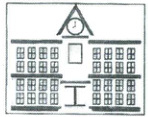 A: What time does the school begin?
B:
77.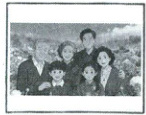 A: ?
A: ?
B: Six. I love my big family.
78. A: Where is Chen Jie?
B: In the music room.
79.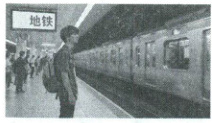 A: How did Eric get to the theater?
B:
80.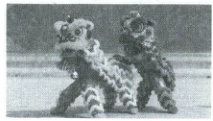 A: ?
A: ?
B: Yes, I have. They're fantastic!
76.
A: What time does the school begin?B:
77.
A: ?B: Six. I love my big family.
78.
A: Where is Chen Jie?B: In the music room.
79.
A: How did Eric get to the theater?B:
80.
A: ?B: Yes, I have. They're fantastic!
答案:
第四部分 第一节
76.It begins at eight o’clock [解析]上句询问“学校几点开始上课”,根据左边图片上的时钟可知,学校八点开始上课。故可知答案。
77.How many people are there in your family [解析]根据答语“Six. I love my big family.”及左边图片中的全家福可知,本处询问的是“你家有几口人”。故可知答案。
78.She is playing erhu [解析]根据“Where is Chen Jie?”和“In the music room.”及左边图片可知,陈洁正在演奏二胡。本句应使用现在进行时。故可知答案。
79.He went there by subway/He took the subway to get there [解析]根据问句“How did Eric get to the theater?”及图片中的地铁可知,此处应回答“埃里克坐地铁去的”,注意用一般过去时。故可知答案。
80.Have you ever watched lion dances [解析]根据答语“Yes, I have. They are fantastic!”及图片中的舞狮可知,此处问的是“你去看舞狮表演了吗”。根据答语中的“I have”可知,应使用现在完成时。故可知答案。
易错警示 本题易错答成“Did you watch the lion dances”。注意本题答题的关键点是“Yes, I have”,应该用现在完成时提问。
76.It begins at eight o’clock [解析]上句询问“学校几点开始上课”,根据左边图片上的时钟可知,学校八点开始上课。故可知答案。
77.How many people are there in your family [解析]根据答语“Six. I love my big family.”及左边图片中的全家福可知,本处询问的是“你家有几口人”。故可知答案。
78.She is playing erhu [解析]根据“Where is Chen Jie?”和“In the music room.”及左边图片可知,陈洁正在演奏二胡。本句应使用现在进行时。故可知答案。
79.He went there by subway/He took the subway to get there [解析]根据问句“How did Eric get to the theater?”及图片中的地铁可知,此处应回答“埃里克坐地铁去的”,注意用一般过去时。故可知答案。
80.Have you ever watched lion dances [解析]根据答语“Yes, I have. They are fantastic!”及图片中的舞狮可知,此处问的是“你去看舞狮表演了吗”。根据答语中的“I have”可知,应使用现在完成时。故可知答案。
易错警示 本题易错答成“Did you watch the lion dances”。注意本题答题的关键点是“Yes, I have”,应该用现在完成时提问。
查看更多完整答案,请扫码查看

