

 搜索
搜索
第4页
- 第1页
- 第2页
- 第3页
- 第4页
- 第5页
- 第6页
- 第7页
- 第8页
- 第9页
- 第10页
- 第11页
- 第12页
- 第13页
- 第14页
- 第15页
- 第16页
- 第17页
- 第18页
- 第19页
- 第20页
- 第21页
- 第22页
- 第23页
- 第24页
- 第25页
- 第26页
- 第27页
- 第28页
- 第29页
- 第30页
- 第31页
- 第32页
- 第33页
- 第34页
- 第35页
- 第36页
- 第37页
- 第38页
- 第39页
- 第40页
- 第41页
- 第42页
- 第43页
- 第44页
- 第45页
- 第46页
- 第47页
- 第48页
- 第49页
- 第50页
- 第51页
- 第52页
- 第53页
- 第54页
- 第55页
- 第56页
- 第57页
- 第58页
- 第59页
- 第60页
- 第61页
- 第62页
- 第63页
- 第64页
- 第65页
- 第66页
- 第67页
- 第68页
- 第69页
- 第70页
- 第71页
- 第72页
- 第73页
- 第74页
- 第75页
- 第76页
- 第77页
- 第78页
- 第79页
- 第80页
- 第81页
- 第82页
- 第83页
- 第84页
四、阅读与表达(共4小题,41 ~ 43小题,每小题2分,44小题4分;满分10分)
阅读下面的材料,根据内容回答问题。
The new school year is coming. Who will be your new classmates? Will you sit alone or in pairs? In fact, there are many different classroom seating arrangements (排列). Let's take a look at some of them.
Traditional Seating
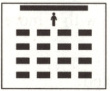 Students sit alone in rows. This seating arrangement helps students listen to the teacher carefully. But it is not convenient for students to have discussions in class.
Paired Seating
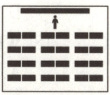
Two desks are put together. Students sit side by side. Sitting in pairs allows students to discuss and cooperate with their deskmates (同桌). However, some students can't focus on their lessons because they may chat with their deskmates.
Group Seating
 Students sit in small groups, facing each other. This arrangement is great for either large classes or small classrooms. It is good for group discussions and cooperation. But there is a problem. When students are doing group work, some of them may sit back and leave others to find a way out.
U - Shape Seating
Desks are placed in a U - shape. This kind of seating creates an open space in the middle. The teacher has enough space to move around. However, it takes up more classroom space.

Every coin has two sides. Every seating arrangement has its own advantages and disadvantages.
41. How do students sit in traditional seating?
42. What is the disadvantage of U - shape seating?
43. Which of the seating arrangements help students cooperate with each other?
44. Which seating arrangement do you like best? Give your reason(s). Write 30 words or more.
阅读下面的材料,根据内容回答问题。
The new school year is coming. Who will be your new classmates? Will you sit alone or in pairs? In fact, there are many different classroom seating arrangements (排列). Let's take a look at some of them.
Traditional Seating
Students sit alone in rows. This seating arrangement helps students listen to the teacher carefully. But it is not convenient for students to have discussions in class.Paired Seating
Two desks are put together. Students sit side by side. Sitting in pairs allows students to discuss and cooperate with their deskmates (同桌). However, some students can't focus on their lessons because they may chat with their deskmates.
Group Seating
Students sit in small groups, facing each other. This arrangement is great for either large classes or small classrooms. It is good for group discussions and cooperation. But there is a problem. When students are doing group work, some of them may sit back and leave others to find a way out.U - Shape Seating
Desks are placed in a U - shape. This kind of seating creates an open space in the middle. The teacher has enough space to move around. However, it takes up more classroom space.
Every coin has two sides. Every seating arrangement has its own advantages and disadvantages.
41. How do students sit in traditional seating?
42. What is the disadvantage of U - shape seating?
43. Which of the seating arrangements help students cooperate with each other?
44. Which seating arrangement do you like best? Give your reason(s). Write 30 words or more.
答案:
41. Students sit alone in rows.
42. It takes up more classroom space.
43. Paired Seating and Group Seating.
44. I like Group Seating best. Because it is good for group discussions and cooperation. In group work, we can learn from each other and solve problems together. It also creates a more active and interactive learning atmosphere.
42. It takes up more classroom space.
43. Paired Seating and Group Seating.
44. I like Group Seating best. Because it is good for group discussions and cooperation. In group work, we can learn from each other and solve problems together. It also creates a more active and interactive learning atmosphere.
五、书面表达(满分20分)
45. 假定你是李辉,你的外国好友Eric给你发来一封邮件。请仔细阅读这封邮件并写一封回信,内容包括:
(1)感谢信任;
(2)介绍午休情况;
(3)愿意继续提供帮助。

注意:
(1)词数80 ~ 100,开头和结尾已给出,不计入总词数;
(2)可适当增加细节,以使行文连贯;
(3)邮件中不能出现真实姓名及学校名称。
Dear Eric,
Yours,
Li Hui
45. 假定你是李辉,你的外国好友Eric给你发来一封邮件。请仔细阅读这封邮件并写一封回信,内容包括:
(1)感谢信任;
(2)介绍午休情况;
(3)愿意继续提供帮助。
注意:
(1)词数80 ~ 100,开头和结尾已给出,不计入总词数;
(2)可适当增加细节,以使行文连贯;
(3)邮件中不能出现真实姓名及学校名称。
Dear Eric,
Yours,
Li Hui
答案:
Dear Eric,
Thanks for trusting me to share about my lunch break. Let me tell you about it. Our lunch break starts at 12:00 and lasts for an hour. First, I usually go to the school cafeteria with my classmates. The food there is delicious, and we often chat while eating. After lunch, I either play basketball with friends on the playground or read books in the library. Sometimes, I take a short rest in the classroom to prepare for the afternoon classes. I always feel relaxed and energetic after the break.
If you need more information about our school life, feel free to ask me. I'm happy to help.
Yours,
Li Hui
Thanks for trusting me to share about my lunch break. Let me tell you about it. Our lunch break starts at 12:00 and lasts for an hour. First, I usually go to the school cafeteria with my classmates. The food there is delicious, and we often chat while eating. After lunch, I either play basketball with friends on the playground or read books in the library. Sometimes, I take a short rest in the classroom to prepare for the afternoon classes. I always feel relaxed and energetic after the break.
If you need more information about our school life, feel free to ask me. I'm happy to help.
Yours,
Li Hui
查看更多完整答案,请扫码查看

