

 搜索
搜索
第39页
- 第1页
- 第2页
- 第3页
- 第4页
- 第5页
- 第6页
- 第7页
- 第8页
- 第9页
- 第10页
- 第11页
- 第12页
- 第13页
- 第14页
- 第15页
- 第16页
- 第17页
- 第18页
- 第19页
- 第20页
- 第21页
- 第22页
- 第23页
- 第24页
- 第25页
- 第26页
- 第27页
- 第28页
- 第29页
- 第30页
- 第31页
- 第32页
- 第33页
- 第34页
- 第35页
- 第36页
- 第37页
- 第38页
- 第39页
- 第40页
- 第41页
- 第42页
- 第43页
- 第44页
- 第45页
- 第46页
- 第47页
- 第48页
- 第49页
- 第50页
- 第51页
- 第52页
- 第53页
- 第54页
- 第55页
- 第56页
- 第57页
- 第58页
- 第59页
- 第60页
- 第61页
- 第62页
- 第63页
- 第64页
- 第65页
- 第66页
- 第67页
- 第68页
- 第69页
- 第70页
- 第71页
- 第72页
- 第73页
- 第74页
- 第75页
- 第76页
- 第77页
- 第78页
- 第79页
- 第80页
- 第81页
- 第82页
- 第83页
- 第84页
第二节 阅读短文,从方框内所给的选项中选出可以填入空白处的最佳选项,其中有一个多余的选项。
Unseen but there
Microplastics (微塑料) are very small. 17. . A new study said that by 2040, microplastic pollution could be twice as bad as it is now. Scientists learned this by looking at 20 years of studies on microplastics.
Microplastics are very small pieces of plastic. They come from many places. 18. . Every time they are washed, they shed (掉落) microplastics. When water bottles and other big plastic items (物品) are left outside, they break down slowly into microplastics.
According to National Geographic, microplastics are usually less than five millimeters in size. This small size lets them go everywhere, even in water and air. They don't break down easily and can stay in the environment for hundreds of years.
19. . In August, The Conversation reported that scientists found microplastics in people's brains for the first time. They may hurt brain cells (细胞) and change how the brain works.
Wild animals are also at risk from microplastic pollution. Each year, up to three million tons of microplastics end up in the ocean. 20. . To deal with the problem, scientists think the best solution right now is to make and use less plastic.
A. This can be bad for our health.
B. But they bring big problems.
C. So there are different forms of microplastics.
D. For example, about 60 percent of material made into clothing is plastic.
E. Since they are too small to be seen, fish may eat them by mistake and become very sick.
Unseen but there
Microplastics (微塑料) are very small. 17. . A new study said that by 2040, microplastic pollution could be twice as bad as it is now. Scientists learned this by looking at 20 years of studies on microplastics.
Microplastics are very small pieces of plastic. They come from many places. 18. . Every time they are washed, they shed (掉落) microplastics. When water bottles and other big plastic items (物品) are left outside, they break down slowly into microplastics.
According to National Geographic, microplastics are usually less than five millimeters in size. This small size lets them go everywhere, even in water and air. They don't break down easily and can stay in the environment for hundreds of years.
19. . In August, The Conversation reported that scientists found microplastics in people's brains for the first time. They may hurt brain cells (细胞) and change how the brain works.
Wild animals are also at risk from microplastic pollution. Each year, up to three million tons of microplastics end up in the ocean. 20. . To deal with the problem, scientists think the best solution right now is to make and use less plastic.
A. This can be bad for our health.
B. But they bring big problems.
C. So there are different forms of microplastics.
D. For example, about 60 percent of material made into clothing is plastic.
E. Since they are too small to be seen, fish may eat them by mistake and become very sick.
答案:
[语篇导读] 本文介绍了微塑料非常小,但带来了大问题。一项新研究称到2040年其污染可能比现在严重一倍。它们来源多样,如衣物洗涤、大塑料物品分解等。微塑料尺寸小能到处传播且难分解,会危害健康,已在人脑中发现,还威胁野生动物,科学家认为减少塑料使用是当下最佳解决办法。
17-20 BDAE
17-20 BDAE
二、完形填空(共10小题,每小题1分;满分10分)
阅读短文,理解其大意,从A、B、C、D四个选项中选出可以填入空白处的最佳选项。
A father was very worried about his son, who, at 15 or 16 years old, seemed to show no signs of courage. So, the father went to see a famous boxing (拳击) coach and asked him to 21 his son. The coach agreed and said, “Leave your son with me. In three months, I promise he will be a changed person. However, you must not 22 him during this time.” The father agreed.
Three months later, the father returned to 23 his son as promised. The coach set up a friendly 24 between the boy and an experienced boxer to show the training results. As soon as the match began, the boy was knocked down 25. But to everyone's surprise, he quickly got up and faced his opponent (对手) again. He was knocked down again right away, but immediately jumped back to his feet. This happened again and again. The boy was knocked down 16 times, but each time he stood up, determined (决心) to face the 26.
The coach turned to the father and asked, “Do you think your son's performance (表现) shows courage?” The father, feeling ashamed (羞愧的), replied, “I'm so 27. I never expected that after sending him here for three months of training, he would still get knocked down so easily.”
The coach shook his head and said, “I really feel sorry for you. You're missing the 28. You only see the falls, the superficial (表面上的) winning or losing. Don't you see the 29 and tenacity (韧性) of your son to get up each time? A 30 person isn't someone who never falls, but someone who rises every time they do. That's true courage.”
()21. A. save
B. help
C. see
D. love
()22. A. visit
B. leave
C. control
D. trust
()23. A. look after
B. talk with
C. pick up
D. wait for
()24. A. team
B. meeting
C. match
D. camp
()25. A. loudly
B. together
C. well
D. hard
()26. A. challenge
B. result
C. problem
D. truth
()27. A. nervous
B. proud
C. excited
D. disappointed
()28. A. class
B. point
C. chance
D. goal
()29. A. power
B. future
C. courage
D. hope
()30. A. strong
B. real
C. wise
D. good
阅读短文,理解其大意,从A、B、C、D四个选项中选出可以填入空白处的最佳选项。
A father was very worried about his son, who, at 15 or 16 years old, seemed to show no signs of courage. So, the father went to see a famous boxing (拳击) coach and asked him to 21 his son. The coach agreed and said, “Leave your son with me. In three months, I promise he will be a changed person. However, you must not 22 him during this time.” The father agreed.
Three months later, the father returned to 23 his son as promised. The coach set up a friendly 24 between the boy and an experienced boxer to show the training results. As soon as the match began, the boy was knocked down 25. But to everyone's surprise, he quickly got up and faced his opponent (对手) again. He was knocked down again right away, but immediately jumped back to his feet. This happened again and again. The boy was knocked down 16 times, but each time he stood up, determined (决心) to face the 26.
The coach turned to the father and asked, “Do you think your son's performance (表现) shows courage?” The father, feeling ashamed (羞愧的), replied, “I'm so 27. I never expected that after sending him here for three months of training, he would still get knocked down so easily.”
The coach shook his head and said, “I really feel sorry for you. You're missing the 28. You only see the falls, the superficial (表面上的) winning or losing. Don't you see the 29 and tenacity (韧性) of your son to get up each time? A 30 person isn't someone who never falls, but someone who rises every time they do. That's true courage.”
()21. A. save
B. help
C. see
D. love
()22. A. visit
B. leave
C. control
D. trust
()23. A. look after
B. talk with
C. pick up
D. wait for
()24. A. team
B. meeting
C. match
D. camp
()25. A. loudly
B. together
C. well
D. hard
()26. A. challenge
B. result
C. problem
D. truth
()27. A. nervous
B. proud
C. excited
D. disappointed
()28. A. class
B. point
C. chance
D. goal
()29. A. power
B. future
C. courage
D. hope
()30. A. strong
B. real
C. wise
D. good
答案:
[语篇导读] 一名父亲因儿子缺乏勇气而求助于著名拳击教练,教练承诺三个月内改变儿子。三个月后,父亲看到儿子在比赛中被击倒16次却坚持站起,父亲感到失望,认为训练无效。教练指出父亲只看到表面的失败,未看到儿子每次站起的毅力和坚韧,真正的勇气在于每次跌倒后都能重新站起来。
21-25 BACCD 26-30 ADBCA
21-25 BACCD 26-30 ADBCA
三、语篇填空(共10小题,每小题1分;满分10分)
阅读短文,在空白处填入一个适当的单词或用括号内所给单词的正确形式填空,使短文通顺、连贯。
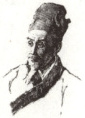
Li Shizhen, a well-known medical scientist of the Ming Dynasty, is considered as a great master of medicine in China. He put 31. (he) heart and soul (灵魂) into medicine, only to save the dying and cure the sick.
Li was born in 1518 in Hubei. Both his grandfather and father were 32. (doctor). Li's grandfather was a country doctor who travelled from place to place with a bag of herbs (药草). Li's father was also a famous doctor in their local area.
From childhood, Li went to the mountains with his father to pick herbs, gaining wide knowledge about animals, plants and medicine. Although Li's father hoped his son could get 33. government job, Li failed the exam three times. He then 34. (turn) his attention to medicine.
35. the age of 33, Li became famous for curing Prince Zhu Houkun's son. A few years later, he 36. (invite) to work at the Imperial Medical Institute (太医院) in Beijing. During that time, he read many ancient medical texts, 37. noticed a mess in the naming and categorization (分类) of herbs. To deal with it, he decided 38. (leave) his job and devote himself to writing a book about herbs.
After that, Li travelled to many places and got much first-hand experience. He also read hundreds of medical books and collected different kinds of herbs. After 27 years of efforts, his first draft (初稿) of Ben Cao Gang Mu was completed in 1578. The book is 39. (high) detailed and well organized and is considered one of 40. (great) scientific achievements of the Ming Dynasty.
阅读短文,在空白处填入一个适当的单词或用括号内所给单词的正确形式填空,使短文通顺、连贯。
Li Shizhen, a well-known medical scientist of the Ming Dynasty, is considered as a great master of medicine in China. He put 31. (he) heart and soul (灵魂) into medicine, only to save the dying and cure the sick.
Li was born in 1518 in Hubei. Both his grandfather and father were 32. (doctor). Li's grandfather was a country doctor who travelled from place to place with a bag of herbs (药草). Li's father was also a famous doctor in their local area.
From childhood, Li went to the mountains with his father to pick herbs, gaining wide knowledge about animals, plants and medicine. Although Li's father hoped his son could get 33. government job, Li failed the exam three times. He then 34. (turn) his attention to medicine.
35. the age of 33, Li became famous for curing Prince Zhu Houkun's son. A few years later, he 36. (invite) to work at the Imperial Medical Institute (太医院) in Beijing. During that time, he read many ancient medical texts, 37. noticed a mess in the naming and categorization (分类) of herbs. To deal with it, he decided 38. (leave) his job and devote himself to writing a book about herbs.
After that, Li travelled to many places and got much first-hand experience. He also read hundreds of medical books and collected different kinds of herbs. After 27 years of efforts, his first draft (初稿) of Ben Cao Gang Mu was completed in 1578. The book is 39. (high) detailed and well organized and is considered one of 40. (great) scientific achievements of the Ming Dynasty.
答案:
[语篇导读] 本文介绍了李时珍的生平事迹。
31.his 32.doctors 33.a 34.turned 35.At 36.was invited 37.and 38.to leave 39.highly 40.the greatest
31.his 32.doctors 33.a 34.turned 35.At 36.was invited 37.and 38.to leave 39.highly 40.the greatest
查看更多完整答案,请扫码查看

