

 搜索
搜索
第105页
- 第1页
- 第2页
- 第3页
- 第4页
- 第5页
- 第6页
- 第7页
- 第8页
- 第9页
- 第10页
- 第11页
- 第12页
- 第13页
- 第14页
- 第15页
- 第16页
- 第17页
- 第18页
- 第19页
- 第20页
- 第21页
- 第22页
- 第23页
- 第24页
- 第25页
- 第26页
- 第27页
- 第28页
- 第29页
- 第30页
- 第31页
- 第32页
- 第33页
- 第34页
- 第35页
- 第36页
- 第37页
- 第38页
- 第39页
- 第40页
- 第41页
- 第42页
- 第43页
- 第44页
- 第45页
- 第46页
- 第47页
- 第48页
- 第49页
- 第50页
- 第51页
- 第52页
- 第53页
- 第54页
- 第55页
- 第56页
- 第57页
- 第58页
- 第59页
- 第60页
- 第61页
- 第62页
- 第63页
- 第64页
- 第65页
- 第66页
- 第67页
- 第68页
- 第69页
- 第70页
- 第71页
- 第72页
- 第73页
- 第74页
- 第75页
- 第76页
- 第77页
- 第78页
- 第79页
- 第80页
- 第81页
- 第82页
- 第83页
- 第84页
- 第85页
- 第86页
- 第87页
- 第88页
- 第89页
- 第90页
- 第91页
- 第92页
- 第93页
- 第94页
- 第95页
- 第96页
- 第97页
- 第98页
- 第99页
- 第100页
- 第101页
- 第102页
- 第103页
- 第104页
- 第105页
- 第106页
- 第107页
- 第108页
- 第109页
- 第110页
- 第111页
- 第112页
- 第113页
- 第114页
- 第115页
- 第116页
- 第117页
- 第118页
- 第119页
- 第120页
- 第121页
- 第122页
- 第123页
- 第124页
- 第125页
- 第126页
- 第127页
- 第128页
- 第129页
- 第130页
- 第131页
- 第132页
- 第133页
- 第134页
- 第135页
- 第136页
- 第137页
- 第138页
- 第139页
- 第140页
- 第141页
- 第142页
- 第143页
- 第144页
- 第145页
- 第146页
- 第147页
- 第148页
- 第149页
- 第150页
- 第151页
一、阅读理解
|题目|体裁|字数|难度|建议用时|实际用时|正确率|
| ---- | ---- | ---- | ---- | ---- | ---- | ---- |
|昆曲|说明文|322|★★★|7分钟|____分钟|____/4|

Beautiful and smooth, Kunqu Opera is one of the most loved art forms in China. Born in Suzhou, Kunqu Opera grew rapidly during the Ming dynasty(1368—1644). This opera is special for the songs in Suzhou dialect, beautiful body movements, martial(武术) arts and dance. Kunqu Opera has a great influence on many different kinds of operas in China including Beijing Opera, so it is known as the mother of all Chinese operas.
However, over 20 years ago, Kunqu Opera was in a very difficult situation. The rise of other opera forms, the ups and downs of the society, the difficulty in learning Kunqu Opera, all led to its drop.
The turning point came on May 18, 2001, when UNESCO added Kunqu Opera to the “Masterpieces of oral and intangible heritage of humanity(人类口头和非物质遗产代表作)” list. The government has tried its best to protect Kunqu Opera as well.
In 2008, to help students better understand the opera, Peking University started a course of Kunqu Opera. Experienced performers were invited to teach the performance. Kunqu has become one of the most popular courses in the university. Chen, who teaches the class, said that in recent years it had been around 200 to 500 students. Zhang Miao, 22, a fresh student at Peking University, became a fan to Kunqu because of this class. She says it’s her duty and love to spread (传播) Kunqu Opera to people all over the world.
By 2024, Kunqu Opera, an ancient art treasure, will not only continue to rejuvenate(使充满活力) in China, but also cross national borders and become a cultural bridge connecting the world. The International Kunqu Festival has been successfully held in multiple cities around the world, attracting numerous overseas audiences and scholars. Thanks to all the efforts, Kunqu Opera has been walking into more people’s life.
( )1. Kunqu Opera has a fast development during .
A. the Song dynasty
B. the Tang dynasty
C. the Qing dynasty
D. the Ming dynasty
( )2. What can we know from the passage?
A. Kunqu Opera was born in Lanzhou.
B. There are more than 500 students in Chen’s class.
C. Zhang Miao hopes to spread Kunqu Opera around the world.
D. Peking University started a course of Kunqu Opera in 2010.
( )3. Which picture can best describe the development of Kunqu Opera in the passage?
A.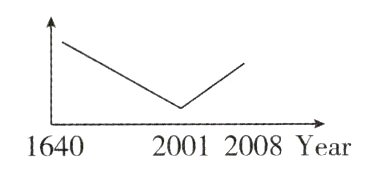
B.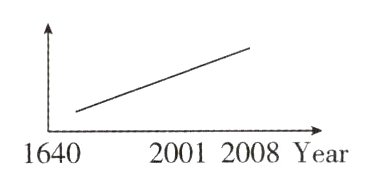
C.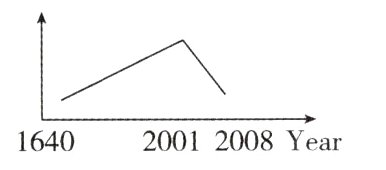
D.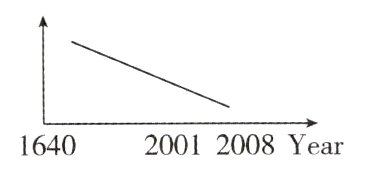
( )4. The best title for the passage could be “ ”.
A. A New Course of Kunqu Opera
B. Kunqu Opera Starts a New Life
C. Kunqu Opera—the Disappearing Art
D. Kunqu Opera—the Mother of World Operas
|题目|体裁|字数|难度|建议用时|实际用时|正确率|
| ---- | ---- | ---- | ---- | ---- | ---- | ---- |
|昆曲|说明文|322|★★★|7分钟|____分钟|____/4|
Beautiful and smooth, Kunqu Opera is one of the most loved art forms in China. Born in Suzhou, Kunqu Opera grew rapidly during the Ming dynasty(1368—1644). This opera is special for the songs in Suzhou dialect, beautiful body movements, martial(武术) arts and dance. Kunqu Opera has a great influence on many different kinds of operas in China including Beijing Opera, so it is known as the mother of all Chinese operas.
However, over 20 years ago, Kunqu Opera was in a very difficult situation. The rise of other opera forms, the ups and downs of the society, the difficulty in learning Kunqu Opera, all led to its drop.
The turning point came on May 18, 2001, when UNESCO added Kunqu Opera to the “Masterpieces of oral and intangible heritage of humanity(人类口头和非物质遗产代表作)” list. The government has tried its best to protect Kunqu Opera as well.
In 2008, to help students better understand the opera, Peking University started a course of Kunqu Opera. Experienced performers were invited to teach the performance. Kunqu has become one of the most popular courses in the university. Chen, who teaches the class, said that in recent years it had been around 200 to 500 students. Zhang Miao, 22, a fresh student at Peking University, became a fan to Kunqu because of this class. She says it’s her duty and love to spread (传播) Kunqu Opera to people all over the world.
By 2024, Kunqu Opera, an ancient art treasure, will not only continue to rejuvenate(使充满活力) in China, but also cross national borders and become a cultural bridge connecting the world. The International Kunqu Festival has been successfully held in multiple cities around the world, attracting numerous overseas audiences and scholars. Thanks to all the efforts, Kunqu Opera has been walking into more people’s life.
( )1. Kunqu Opera has a fast development during .
A. the Song dynasty
B. the Tang dynasty
C. the Qing dynasty
D. the Ming dynasty
( )2. What can we know from the passage?
A. Kunqu Opera was born in Lanzhou.
B. There are more than 500 students in Chen’s class.
C. Zhang Miao hopes to spread Kunqu Opera around the world.
D. Peking University started a course of Kunqu Opera in 2010.
( )3. Which picture can best describe the development of Kunqu Opera in the passage?
A.
B.
C.
D.
( )4. The best title for the passage could be “ ”.
A. A New Course of Kunqu Opera
B. Kunqu Opera Starts a New Life
C. Kunqu Opera—the Disappearing Art
D. Kunqu Opera—the Mother of World Operas
答案:
[文章大意]本文是一篇说明文,主要介绍了昆曲。经过联合国教科文组织和政府的保护,以及北京大学等高校的推广,昆曲重新焕发了生机,受到了许多人的喜爱。
1. D 细节理解题。根据“Born in Suzhou, Kunqu Opera grew rapidly during the Ming dynasty (1368—1644).”可知,昆曲诞生于苏州,在明朝期间迅速发展。故选 D。
2. C 细节理解题。根据“She says it's her duty and love to spread Kunqu Opera to people all over the world.”可知,张苗说把昆曲传播给全世界的人是她的责任和爱好。故张苗是希望把昆曲传播给全世界。故选 C。
3. A 推理判断题。根据“However, over 20 years ago, Kunqu Opera was in a very difficult situation ... all led to its drop.”和“The turning - point came on May 18, 2001, when UNESCO added Kunqu Opera to the ‘Masterpieces of oral and intangible heritage of humanity’ list.”可知,2001 年之前的发展是下降的,2001 年迎来拐点,开始上升。故选 A。
4. B 标题归纳题。通读全文可知,本文主要介绍了昆曲,中国最受欢迎的艺术形式之一。它曾一度衰落,但经过联合国教科文组织和政府的保护,以及北京大学等高校的推广,昆曲重新焕发了生机,受到了许多人的喜爱。故选项 B“昆曲开始了新的生命”最适合作本文标题。故选 B。
1. D 细节理解题。根据“Born in Suzhou, Kunqu Opera grew rapidly during the Ming dynasty (1368—1644).”可知,昆曲诞生于苏州,在明朝期间迅速发展。故选 D。
2. C 细节理解题。根据“She says it's her duty and love to spread Kunqu Opera to people all over the world.”可知,张苗说把昆曲传播给全世界的人是她的责任和爱好。故张苗是希望把昆曲传播给全世界。故选 C。
3. A 推理判断题。根据“However, over 20 years ago, Kunqu Opera was in a very difficult situation ... all led to its drop.”和“The turning - point came on May 18, 2001, when UNESCO added Kunqu Opera to the ‘Masterpieces of oral and intangible heritage of humanity’ list.”可知,2001 年之前的发展是下降的,2001 年迎来拐点,开始上升。故选 A。
4. B 标题归纳题。通读全文可知,本文主要介绍了昆曲,中国最受欢迎的艺术形式之一。它曾一度衰落,但经过联合国教科文组织和政府的保护,以及北京大学等高校的推广,昆曲重新焕发了生机,受到了许多人的喜爱。故选项 B“昆曲开始了新的生命”最适合作本文标题。故选 B。
查看更多完整答案,请扫码查看

