

 搜索
搜索
第23页
- 第1页
- 第2页
- 第3页
- 第4页
- 第5页
- 第6页
- 第7页
- 第8页
- 第9页
- 第10页
- 第11页
- 第12页
- 第13页
- 第14页
- 第15页
- 第16页
- 第17页
- 第18页
- 第19页
- 第20页
- 第21页
- 第22页
- 第23页
- 第24页
- 第25页
- 第26页
- 第27页
- 第28页
- 第29页
- 第30页
- 第31页
- 第32页
- 第33页
- 第34页
- 第35页
- 第36页
- 第37页
- 第38页
- 第39页
- 第40页
- 第41页
- 第42页
- 第43页
- 第44页
- 第45页
- 第46页
- 第47页
- 第48页
- 第49页
- 第50页
- 第51页
- 第52页
- 第53页
- 第54页
- 第55页
- 第56页
- 第57页
- 第58页
- 第59页
- 第60页
- 第61页
- 第62页
- 第63页
- 第64页
- 第65页
- 第66页
- 第67页
- 第68页
- 第69页
- 第70页
- 第71页
- 第72页
- 第73页
- 第74页
- 第75页
- 第76页
- 第77页
- 第78页
- 第79页
- 第80页
- 第81页
- 第82页
- 第83页
- 第84页
- 第85页
- 第86页
- 第87页
- 第88页
- 第89页
- 第90页
- 第91页
- 第92页
- 第93页
- 第94页
- 第95页
- 第96页
- 第97页
- 第98页
- 第99页
- 第100页
- 第101页
- 第102页
- 第103页
- 第104页
- 第105页
- 第106页
- 第107页
- 第108页
- 第109页
- 第110页
- 第111页
- 第112页
- 第113页
- 第114页
- 第115页
- 第116页
- 第117页
- 第118页
- 第119页
四、阅读表达(共10小题;计10分)
A.补全短文 根据短文内容,从短文后的A—F选项中,选出5个适当的选项补全短文。(共5小题;每小题1分,计5分)
Money may not buy happiness, but it helps. Many teenagers want to learn how to manage money before going out into the world. 1
Learn to make money. Ask parents or neighbors if you can do chores to make pocket money. These could include washing a car or taking the dog for a walk. 2
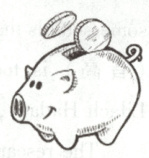
Help your money grow. Money can't grow if it's sitting inside a piggy bank. Put your money in the bank and you can get interest (利息). 3
Make a plan. If you have a big event, such as a holiday coming up, it might mean you will need to spend more of your pocket money. Try making a plan for spending and saving. 4
5
A. Spend your money wisely.
B. Be smart with your money.
C. Set a goal of saving money.
D. Save your money in the long run.
E. Agree on the value of different jobs before you start.
F. Write down how much money you have and what you are spending.
A.补全短文 根据短文内容,从短文后的A—F选项中,选出5个适当的选项补全短文。(共5小题;每小题1分,计5分)
Money may not buy happiness, but it helps. Many teenagers want to learn how to manage money before going out into the world. 1
B
This idea is raised by Dr. Mara Harvey, a money expert. The following are some of her tips.Learn to make money. Ask parents or neighbors if you can do chores to make pocket money. These could include washing a car or taking the dog for a walk. 2
E
In this way, you can also improve your communication skills, which will help when you have a grown-up job, too.Help your money grow. Money can't grow if it's sitting inside a piggy bank. Put your money in the bank and you can get interest (利息). 3
D
One day you may feel surprised at how much money you have.Make a plan. If you have a big event, such as a holiday coming up, it might mean you will need to spend more of your pocket money. Try making a plan for spending and saving. 4
F
Then it will help you take control of your money.5
A
Figure out how much you can reasonably spend each month. Spend your money on what you truly need. Then try to cut down on spending. For example, rather than eating out, you can choose to cook at home.A. Spend your money wisely.
B. Be smart with your money.
C. Set a goal of saving money.
D. Save your money in the long run.
E. Agree on the value of different jobs before you start.
F. Write down how much money you have and what you are spending.
答案:
1—5 BEDFA
B.完成图表 根据短文内容,完成图表中所缺信息。(共5小题;每小题1分,计5分)
Maps mark seas, countries, cities and our homes, and guide us through the world. To know them better, let's take a look at how maps have changed over the centuries.
Many ancient countries used maps. One of the first is thought to have been drawn on the wall in Lascaux, France, around 16 500 years ago. Hidden among the drawings of birds and bulls (公牛) is a map of the stars. The Babylonian Map of the World is the oldest known earthly map, which shows Babylon and its neighboring towns on the stone.
Claudius Ptolemy made maps go global. Born in Egypt around 100 AD, he was the first person to try to make a world map. With the help of math, Ptolemy marked around 10 000 locations from Britain to Asia and Africa.
·3-7·
Perhaps the most commonly used world map is the Mercator Projection. It was introduced in 1569 by Gerardus Mercator. An important part of maps is the imaginary lines of longitude, latitude and the equator. Mercator took the globe and made it flat (平的), but to do this he had to make the areas further north and south larger, while the areas nearer the middle stay about the right size. The reason for this is that the Earth is like a ball, but a map is flat. It is easy to find places, but some people said it was unfair because places including Canada, the UK and Europe appeared much bigger than they really were.
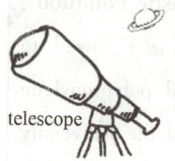
In the 19th and 20th centuries, modern technology allowed map makers to produce maps showing locations exactly. Today, many people view maps on their phones. Researchers are working to map the floor of the oceans and to locate every tree on Earth. Scientists are also trying to map the past by using the James Webb Space Telescope (JWST). This invention will collect light from stars and may find the secrets about the beginning of the universe (宇宙).
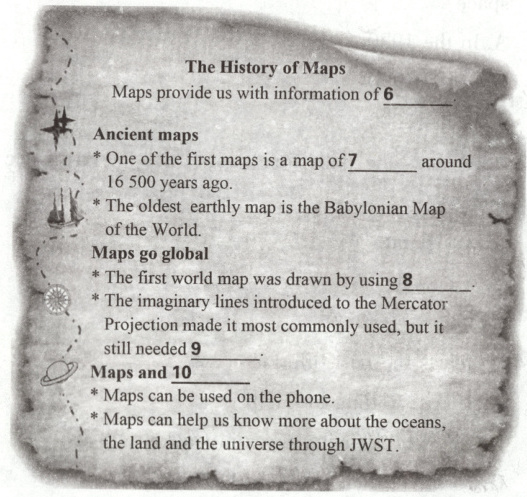
The History of Maps
Maps provide us with information of 6
Ancient maps
* One of the first maps is a map of 7
* The oldest earthly map is the Babylonian Map of the World.
Maps go global
* The first world map was drawn by using 8
* The imaginary lines introduced to the Mercator Projection made it most commonly used, but it still needed 9
Maps and 10
* Maps can be used on the phone.
* Maps can help us know more about the oceans, the land and the universe through JWST.
Maps mark seas, countries, cities and our homes, and guide us through the world. To know them better, let's take a look at how maps have changed over the centuries.
Many ancient countries used maps. One of the first is thought to have been drawn on the wall in Lascaux, France, around 16 500 years ago. Hidden among the drawings of birds and bulls (公牛) is a map of the stars. The Babylonian Map of the World is the oldest known earthly map, which shows Babylon and its neighboring towns on the stone.
Claudius Ptolemy made maps go global. Born in Egypt around 100 AD, he was the first person to try to make a world map. With the help of math, Ptolemy marked around 10 000 locations from Britain to Asia and Africa.
·3-7·
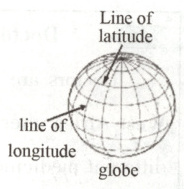
Perhaps the most commonly used world map is the Mercator Projection. It was introduced in 1569 by Gerardus Mercator. An important part of maps is the imaginary lines of longitude, latitude and the equator. Mercator took the globe and made it flat (平的), but to do this he had to make the areas further north and south larger, while the areas nearer the middle stay about the right size. The reason for this is that the Earth is like a ball, but a map is flat. It is easy to find places, but some people said it was unfair because places including Canada, the UK and Europe appeared much bigger than they really were.
In the 19th and 20th centuries, modern technology allowed map makers to produce maps showing locations exactly. Today, many people view maps on their phones. Researchers are working to map the floor of the oceans and to locate every tree on Earth. Scientists are also trying to map the past by using the James Webb Space Telescope (JWST). This invention will collect light from stars and may find the secrets about the beginning of the universe (宇宙).
The History of Maps
Maps provide us with information of 6
geography
Ancient maps
* One of the first maps is a map of 7
the stars
around 16 500 years ago.* The oldest earthly map is the Babylonian Map of the World.
Maps go global
* The first world map was drawn by using 8
math(s)
.* The imaginary lines introduced to the Mercator Projection made it most commonly used, but it still needed 9
improvement
.Maps and 10
modern technology
* Maps can be used on the phone.
* Maps can help us know more about the oceans, the land and the universe through JWST.
答案:
6 geography 7 the stars 8 math(s) 9 improvement 10 modern technology
查看更多完整答案,请扫码查看

