

 搜索
搜索
第20页
- 第1页
- 第2页
- 第3页
- 第4页
- 第5页
- 第6页
- 第7页
- 第8页
- 第9页
- 第10页
- 第11页
- 第12页
- 第13页
- 第14页
- 第15页
- 第16页
- 第17页
- 第18页
- 第19页
- 第20页
- 第21页
- 第22页
- 第23页
- 第24页
- 第25页
- 第26页
- 第27页
- 第28页
- 第29页
- 第30页
- 第31页
- 第32页
- 第33页
- 第34页
- 第35页
- 第36页
- 第37页
- 第38页
- 第39页
- 第40页
- 第41页
- 第42页
- 第43页
- 第44页
- 第45页
- 第46页
- 第47页
- 第48页
- 第49页
- 第50页
- 第51页
- 第52页
- 第53页
- 第54页
- 第55页
- 第56页
- 第57页
- 第58页
- 第59页
- 第60页
- 第61页
- 第62页
- 第63页
- 第64页
- 第65页
- 第66页
- 第67页
- 第68页
- 第69页
- 第70页
- 第71页
- 第72页
- 第73页
- 第74页
- 第75页
- 第76页
- 第77页
- 第78页
- 第79页
- 第80页
- 第81页
- 第82页
- 第83页
- 第84页
- 第85页
- 第86页
- 第87页
- 第88页
- 第89页
- 第90页
- 第91页
- 第92页
- 第93页
- 第94页
- 第95页
- 第96页
- 第97页
- 第98页
- 第99页
- 第100页
- 第101页
- 第102页
- 第103页
- 第104页
- 第105页
- 第106页
- 第107页
- 第108页
- 第109页
- 第110页
- 第111页
- 第112页
- 第113页
- 第114页
- 第115页
- 第116页
- 第117页
- 第118页
- 第119页
八、阅读下面短文,根据短文内容判断句子正误。正确的填“A”,错误的填“B”。(共5小题;每小题2分,计10分)
A Survey on Sports in Chengdu
by Class 1, Grade 9
Q:What are Chengdu people's favorite sports?
Walking is No.1 favorite. Another four most popular sports are running, ping-pong, swimming and badminton. Greenways and parks near their homes are green gifts for Chengduers to do sports conveniently.
Q:Do Chengdu people do sports just to lose weight?
Not really. Physical shape doesn't matter that much. The chart on the right shows the reasons for exercise.
Q:Do Chengdu people use much technology when doing sports?
Yes. Technology, such as smart watches, sports apps or smart gyms, is used to record exercise habits, provide suggestions, give reports on health and even remind people to do sports.
( .
.
(
(
(
(
A Survey on Sports in Chengdu
by Class 1, Grade 9
Q:What are Chengdu people's favorite sports?
Walking is No.1 favorite. Another four most popular sports are running, ping-pong, swimming and badminton. Greenways and parks near their homes are green gifts for Chengduers to do sports conveniently.
Q:Do Chengdu people do sports just to lose weight?
Not really. Physical shape doesn't matter that much. The chart on the right shows the reasons for exercise.
Q:Do Chengdu people use much technology when doing sports?
Yes. Technology, such as smart watches, sports apps or smart gyms, is used to record exercise habits, provide suggestions, give reports on health and even remind people to do sports.
(
B
)61.The top three popular sports in Chengdu are .(
A
)62.Places for sports are easy to find in Chengdu.(
B
)63.The chart shows that about a quarter of Chengduers exercise to spend time with family.(
A
)64.We can learn that hobby is more important than fashion for Chengduers to do sports.(
B
)65.Technology is smart but hardly used in daily exercise.
答案:
61—65 BABAB
九、阅读下面两篇短文,根据短文内容选择最佳选项。(共10小题;每小题2分,计20分)
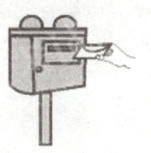
A
Host: As we know, the British have been sending cards since the 19th century. They spend about 1 700 000 000 pounds on cards every year. However, the number of people sending cards and letters is falling. More than 30 percent of UK children have never sent or received a handwritten letter. Should the tradition of sending cards and letters be stopped?
Group A:
We live in a fast-developing world and using snail mail is unnecessary. Making paper uses lots of energy and some cards are hard to recycle. It's bad for the environment. What's more, cards are expensive to buy and so is posting. Nowadays, we usually use our phones and computers because they are quick, easy and free. Traditional cards and letters are out of date. They are not young people's cup of tea. It's no surprise that most of them end up as litter.
Group B:
The tradition has been around for hundreds of years and should stay. Sending a handwritten letter or carefully chosen card shows that you care. Phone messages and emails are quick and easy, but they seem to carry less feeling. Sending letters is good for children because it is a chance to practice writing skills. Also, it's fun! Receiving post makes you feel special and it's important if someone lives far away or is lonely—just imagine a birthday without cards!
66.What's the discussion mainly about?
A. When the British send cards and letters.
B. Whether the British should keep the tradition.
C. Why the British like sending cards and letters.
67.Who thinks it's necessary to keep the tradition?
A. The host. B. Group A. C. Group B.
68. Which picture can show the meaning of the underlined word “snail”?
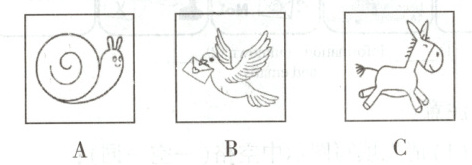
A B C
69.What does Group A think of sending cards?
A. Free but slow. B. Fast but expensive. C. Wasteful and expensive.
70.Which of the following facts directly caused the discussion?
A. People have different opinions.
B. Fewer British people send cards and letters.
C. The British spend too much money on cards and letters.
A
Host: As we know, the British have been sending cards since the 19th century. They spend about 1 700 000 000 pounds on cards every year. However, the number of people sending cards and letters is falling. More than 30 percent of UK children have never sent or received a handwritten letter. Should the tradition of sending cards and letters be stopped?
Group A:
We live in a fast-developing world and using snail mail is unnecessary. Making paper uses lots of energy and some cards are hard to recycle. It's bad for the environment. What's more, cards are expensive to buy and so is posting. Nowadays, we usually use our phones and computers because they are quick, easy and free. Traditional cards and letters are out of date. They are not young people's cup of tea. It's no surprise that most of them end up as litter.
Group B:
The tradition has been around for hundreds of years and should stay. Sending a handwritten letter or carefully chosen card shows that you care. Phone messages and emails are quick and easy, but they seem to carry less feeling. Sending letters is good for children because it is a chance to practice writing skills. Also, it's fun! Receiving post makes you feel special and it's important if someone lives far away or is lonely—just imagine a birthday without cards!
66.What's the discussion mainly about?
A. When the British send cards and letters.
B. Whether the British should keep the tradition.
C. Why the British like sending cards and letters.
67.Who thinks it's necessary to keep the tradition?
A. The host. B. Group A. C. Group B.
68. Which picture can show the meaning of the underlined word “snail”?
A B C
69.What does Group A think of sending cards?
A. Free but slow. B. Fast but expensive. C. Wasteful and expensive.
70.Which of the following facts directly caused the discussion?
A. People have different opinions.
B. Fewer British people send cards and letters.
C. The British spend too much money on cards and letters.
答案:
66—70 BCACB
查看更多完整答案,请扫码查看

