

 搜索
搜索
第114页
- 第1页
- 第2页
- 第3页
- 第4页
- 第5页
- 第6页
- 第7页
- 第8页
- 第9页
- 第10页
- 第11页
- 第12页
- 第13页
- 第14页
- 第15页
- 第16页
- 第17页
- 第18页
- 第19页
- 第20页
- 第21页
- 第22页
- 第23页
- 第24页
- 第25页
- 第26页
- 第27页
- 第28页
- 第29页
- 第30页
- 第31页
- 第32页
- 第33页
- 第34页
- 第35页
- 第36页
- 第37页
- 第38页
- 第39页
- 第40页
- 第41页
- 第42页
- 第43页
- 第44页
- 第45页
- 第46页
- 第47页
- 第48页
- 第49页
- 第50页
- 第51页
- 第52页
- 第53页
- 第54页
- 第55页
- 第56页
- 第57页
- 第58页
- 第59页
- 第60页
- 第61页
- 第62页
- 第63页
- 第64页
- 第65页
- 第66页
- 第67页
- 第68页
- 第69页
- 第70页
- 第71页
- 第72页
- 第73页
- 第74页
- 第75页
- 第76页
- 第77页
- 第78页
- 第79页
- 第80页
- 第81页
- 第82页
- 第83页
- 第84页
- 第85页
- 第86页
- 第87页
- 第88页
- 第89页
- 第90页
- 第91页
- 第92页
- 第93页
- 第94页
- 第95页
- 第96页
- 第97页
- 第98页
- 第99页
- 第100页
- 第101页
- 第102页
- 第103页
- 第104页
- 第105页
- 第106页
- 第107页
- 第108页
- 第109页
- 第110页
- 第111页
- 第112页
- 第113页
- 第114页
- 第115页
- 第116页
- 第117页
- 第118页
- 第119页
二、完成对话 在空格中填上适当的单词,使对话完整正确。一空一词(含缩写词)。(共10小题;每小题1分,计10分)
A: You look worried. What's wrong?
B: My science report is due tomorrow, but I haven't written a word. I'm scared I'll make a 1
A: Why did you 2
B: I kept saying, “I'll do it later,” but now “later” is here. What's the point of 3
A: There's a saying: “The best time to plant a tree was 20 years ago. The 4
B: But the report feels too big. How do I even start?
A: Break it into tiny steps. Write down three main tasks, and then focus on one 5
B: Okay, but what if I can't keep going 6
A: Use a timer: work for 25 minutes, rest for 5. It's called “the Pomodoro Technique(番茄工作法)”.
B: Maybe I'll be 7
A: Silence your apps. Remember, doing a little gives you 8
B: You're right. I'll stop dreaming of the “perfect start” and just try.
A: Exactly! Even small progress 9
B: Thanks! I'll start now... after a quick snack!
A: No more 10
A: You look worried. What's wrong?
B: My science report is due tomorrow, but I haven't written a word. I'm scared I'll make a 1
mess
.A: Why did you 2
leave
it so late? You need a plan.B: I kept saying, “I'll do it later,” but now “later” is here. What's the point of 3
starting
now?A: There's a saying: “The best time to plant a tree was 20 years ago. The 4
next
best time is today.” It's never too late to try.B: But the report feels too big. How do I even start?
A: Break it into tiny steps. Write down three main tasks, and then focus on one 5
at
a time.B: Okay, but what if I can't keep going 6
half
the way? I think I'll be probably influenced by TV.A: Use a timer: work for 25 minutes, rest for 5. It's called “the Pomodoro Technique(番茄工作法)”.
B: Maybe I'll be 7
stopped
from watching videos. But how about my phone?A: Silence your apps. Remember, doing a little gives you 8
energy
to do more, not waiting for “feeling ready”.B: You're right. I'll stop dreaming of the “perfect start” and just try.
A: Exactly! Even small progress 9
beats
doing nothing.B: Thanks! I'll start now... after a quick snack!
A: No more 10
excuses
, please!
答案:
1.mess 2.leave 3.starting 4.next 5.at
6.half 7.stopped 8.energy 9.beats 10.excuses
6.half 7.stopped 8.energy 9.beats 10.excuses
三、短文填空 从下面方框中选出10个单词,将其正确形式填入短文,使短文意思正确通顺(每词限用一次)。(共10小题;每小题1分,计10分)
accident actually are clean decide duty
grow have human include little probably
Do you know monkeys often help each other to
raise their young babies? A new study has found that
snub - nosed monkeys 1
most parenting experience.
This discovery was made by 2
of researchers at the Southwest Forestry University in
China. They noticed that black - and - white snub - nosed
monkeys passed around their newborns a lot. The
monkeys would take it in turns 3
even feed the newborns.
This behavior reminded the team of how 4
to watch the monkeys more closely. They followed the
group every day for six months. There 5
more than 400 moments where a female (雌性的)
monkey interacted with a mother and a newborn. The
interactions 6
pulling them closer.
Once the newborns had 7
mothers were more likely to allow other females to take
care of them. When choosing a babysitter, the mothers
made their 8
experience the other female monkeys had. The younger
females with 9
allowed to look after the infants, but usually after a
more experienced monkey had given up their
babysitting 10
accident actually are clean decide duty
grow have human include little probably
Do you know monkeys often help each other to
raise their young babies? A new study has found that
snub - nosed monkeys 1
actually
choose who babysits (looks after) their young based on (基于) who has themost parenting experience.
This discovery was made by 2
accident
by a teamof researchers at the Southwest Forestry University in
China. They noticed that black - and - white snub - nosed
monkeys passed around their newborns a lot. The
monkeys would take it in turns 3
to clean
, carry oreven feed the newborns.
This behavior reminded the team of how 4
humans
babysit for each other and so they decidedto watch the monkeys more closely. They followed the
group every day for six months. There 5
were
more than 400 moments where a female (雌性的)
monkey interacted with a mother and a newborn. The
interactions 6
included
cleaning the newborn or softlypulling them closer.
Once the newborns had 7
grown
up a bit, themothers were more likely to allow other females to take
care of them. When choosing a babysitter, the mothers
made their 8
decision
on how much parentingexperience the other female monkeys had. The younger
females with 9
less
experience would still beallowed to look after the infants, but usually after a
more experienced monkey had given up their
babysitting 10
duties
.
答案:
[语篇导读]本文是一篇说明文。 文章介绍了一项关于金丝猴的研究的研究发现、研究人员进行该研究的契机及研究过程。
1.actually [解析]副词。 分析句子结构可知,空格处修饰动词choose,应用副词。 此处指一项新研究发现,金丝猴实际上会根据谁有最丰富的育儿经验来选择让谁照顾它们的幼崽,选词actually,意为“实际上”
.accident [解析]固定搭配。此处指这一发现是中国西南林业大学的研究团队偶然发现的,选词accident。 固定搭配by accident意为“偶然地”
3.to clean [解析]动词不定式。 此处表示这些猴子会轮流清洁、携带,甚至喂养新生幼崽,选词clean。 此处应用动词不定式作目的状语。
4.humans [解析]名词的数。分析句子结构可知,空格处作由how引导的宾语从句的主语。此处表示这种行为让研究团队联想到人类互相照看孩子的方式,且此处表示泛指,应用可数名词human的复数形式humans。
5.were [解析]一般过去时和主谓一致。此处应填be动词,构成there be句型。此处讲述的是过去发生的事,时态应用一般过去时。主句主语是more than 400 moments,为复数,故此处应填were。
6.included [解析]一般过去时。分析句子结构可知,空格处作谓语。此处指这些互动包括给新生幼崽清洁或轻轻把它们拉得更近,选词include,意为“包含”。此处讲述的是过去发生的事,时态应用一般过去时。
7.grown [解析]过去完成时。此处表示一旦幼崽长大一点儿,选词grow。固定搭配grow up意为“长大”。此处应填grow的过去分词grown与had一起构成过去完成时。
8.decision[解析]词性转换(v.→n.)。此处指母猴们根据其他母猴的育儿经验多少来做出决定,选词decide,此处应用其名词形式decision。make one's decision为固定搭配,意为“做出某人的决定”。
9.less [解析]形容词的比较级。此处指经验较少的年轻母猴仍然会被允许照顾幼崽,选词little。根据下文中的more experienced可知,此处应用比较级less。
10.duties[解析]名词的数。此处指更有经验的母猴放弃它们的育儿职责后,选词duty。duty意为“职责”时常用复数形式。
1.actually [解析]副词。 分析句子结构可知,空格处修饰动词choose,应用副词。 此处指一项新研究发现,金丝猴实际上会根据谁有最丰富的育儿经验来选择让谁照顾它们的幼崽,选词actually,意为“实际上”
.accident [解析]固定搭配。此处指这一发现是中国西南林业大学的研究团队偶然发现的,选词accident。 固定搭配by accident意为“偶然地”
3.to clean [解析]动词不定式。 此处表示这些猴子会轮流清洁、携带,甚至喂养新生幼崽,选词clean。 此处应用动词不定式作目的状语。
4.humans [解析]名词的数。分析句子结构可知,空格处作由how引导的宾语从句的主语。此处表示这种行为让研究团队联想到人类互相照看孩子的方式,且此处表示泛指,应用可数名词human的复数形式humans。
5.were [解析]一般过去时和主谓一致。此处应填be动词,构成there be句型。此处讲述的是过去发生的事,时态应用一般过去时。主句主语是more than 400 moments,为复数,故此处应填were。
6.included [解析]一般过去时。分析句子结构可知,空格处作谓语。此处指这些互动包括给新生幼崽清洁或轻轻把它们拉得更近,选词include,意为“包含”。此处讲述的是过去发生的事,时态应用一般过去时。
7.grown [解析]过去完成时。此处表示一旦幼崽长大一点儿,选词grow。固定搭配grow up意为“长大”。此处应填grow的过去分词grown与had一起构成过去完成时。
8.decision[解析]词性转换(v.→n.)。此处指母猴们根据其他母猴的育儿经验多少来做出决定,选词decide,此处应用其名词形式decision。make one's decision为固定搭配,意为“做出某人的决定”。
9.less [解析]形容词的比较级。此处指经验较少的年轻母猴仍然会被允许照顾幼崽,选词little。根据下文中的more experienced可知,此处应用比较级less。
10.duties[解析]名词的数。此处指更有经验的母猴放弃它们的育儿职责后,选词duty。duty意为“职责”时常用复数形式。
四、阅读表达(共10小题;计10分)
A. 补全短文 根据短文内容,从短文后的A—F选项中,选出5个适当的选项补全短文。(共5小题;每小题1分,计5分)
On February 12, 2025, China's
government told the world the official
names of the spacesuit and lunar rover
for China's manned lunar exploration
mission(探月任务). 1
The name “Wangyu” means watching the universe
and exploring the unknown. It shows the Chinese
astronauts' mission to look into space and start new
journeys on the moon. This name is connected to the
“Feitian” spacesuit used for space station missions. 2
of space and its efforts to build a community with a
shared future for humanity.
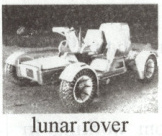
The lunar rover is named “Tansuo”, which means
“exploration”. 3
and is made of different parts. It can carry two
astronauts and move quickly over rough ground. It can
also help with navigation, safety, communication, and
carrying things. It will help astronauts do scientific
research and tests on the moon.
4
modern spirit. From “Chang'e” and “Yutu” to
“Tianwen” and “Zhurong”, and now “Wangyu” and
“Tansuo”, the names of China's spacecraft always
connect traditional culture with modern technology.
Right now, the spacesuit and the lunar rover are
in the early stages of development. 5
mission will test key technologies like staying on the
moon for a short time and working together with robots.
The astronauts will do many tasks like landing,
researching, and bringing things back to Earth.
A. The names are “Wangyu” and “Tansuo”.
B. China plans to send people to the moon before 2030.
C. It shows the job to help Chinese solve the mysteries of the moon.
D. They show China's spirit of exploration and the ability of creating.
E. The names were chosen from more than 9000 entries in a public competition.
F. It shows China's plan to move from working in space to landing on the moon.
A. 补全短文 根据短文内容,从短文后的A—F选项中,选出5个适当的选项补全短文。(共5小题;每小题1分,计5分)
On February 12, 2025, China's
government told the world the official
names of the spacesuit and lunar rover
for China's manned lunar exploration
mission(探月任务). 1
A
The name “Wangyu” means watching the universe
and exploring the unknown. It shows the Chinese
astronauts' mission to look into space and start new
journeys on the moon. This name is connected to the
“Feitian” spacesuit used for space station missions. 2
F
The name also shows China's peaceful useof space and its efforts to build a community with a
shared future for humanity.
The lunar rover is named “Tansuo”, which means
“exploration”. 3
C
The rover can be foldedand is made of different parts. It can carry two
astronauts and move quickly over rough ground. It can
also help with navigation, safety, communication, and
carrying things. It will help astronauts do scientific
research and tests on the moon.
4
E
They are full of Chinese culture andmodern spirit. From “Chang'e” and “Yutu” to
“Tianwen” and “Zhurong”, and now “Wangyu” and
“Tansuo”, the names of China's spacecraft always
connect traditional culture with modern technology.
Right now, the spacesuit and the lunar rover are
in the early stages of development. 5
B
Themission will test key technologies like staying on the
moon for a short time and working together with robots.
The astronauts will do many tasks like landing,
researching, and bringing things back to Earth.
A. The names are “Wangyu” and “Tansuo”.
B. China plans to send people to the moon before 2030.
C. It shows the job to help Chinese solve the mysteries of the moon.
D. They show China's spirit of exploration and the ability of creating.
E. The names were chosen from more than 9000 entries in a public competition.
F. It shows China's plan to move from working in space to landing on the moon.
答案:
A.补全短文
[语篇导读]本文是一篇说明文。文章介绍了中国载人月球探测任务中使用的航天服和月球车的官方名字的含义、月球车的构造和功能以及中国载人月球探测任务的相关情况。
1.A [解析]空前讲“中国政府向世界公布了中国载人月球探测任务中使用的航天服和月球车的官方名字”。空后开始介绍“望宇”这个名字的含义。A项“名字分别是“望宇”和‘探索””符合语境。
2.F [解析]空前讲“望宇'这个名字与用于空间站任务的,飞天”航天服有关联”。空后说明了这个名字体现的理念。F项“它体现了中国的计划从太空作业向载人登月的转变”符合语境。
3.C [解析]空前讲“月球车被命名为“探索””。空后介绍了该月球车的构造和功能。C项“它体现了帮助中国人解开月球奥秘的使命”符合语境。
4.E [解析]空后讲“它们(这些名字)充满中国文化和现代精神....中国航天器的名字总是将传统文化与现代科技相结合”。E项“这些名字是从一场公众征名的活动中的超过9000份投稿中选出的”符合语境。
5.B [解析]空前讲“目前航天服和月球车正处于研发初期”。空后具体介绍了载人登月任务即将测试的关键技术以及宇航员的任务。B项“中国计划在2030年前将宇航员送上月球”,符合语境。
[语篇导读]本文是一篇说明文。文章介绍了中国载人月球探测任务中使用的航天服和月球车的官方名字的含义、月球车的构造和功能以及中国载人月球探测任务的相关情况。
1.A [解析]空前讲“中国政府向世界公布了中国载人月球探测任务中使用的航天服和月球车的官方名字”。空后开始介绍“望宇”这个名字的含义。A项“名字分别是“望宇”和‘探索””符合语境。
2.F [解析]空前讲“望宇'这个名字与用于空间站任务的,飞天”航天服有关联”。空后说明了这个名字体现的理念。F项“它体现了中国的计划从太空作业向载人登月的转变”符合语境。
3.C [解析]空前讲“月球车被命名为“探索””。空后介绍了该月球车的构造和功能。C项“它体现了帮助中国人解开月球奥秘的使命”符合语境。
4.E [解析]空后讲“它们(这些名字)充满中国文化和现代精神....中国航天器的名字总是将传统文化与现代科技相结合”。E项“这些名字是从一场公众征名的活动中的超过9000份投稿中选出的”符合语境。
5.B [解析]空前讲“目前航天服和月球车正处于研发初期”。空后具体介绍了载人登月任务即将测试的关键技术以及宇航员的任务。B项“中国计划在2030年前将宇航员送上月球”,符合语境。
查看更多完整答案,请扫码查看

