

 搜索
搜索
第83页
- 第1页
- 第2页
- 第3页
- 第4页
- 第5页
- 第6页
- 第7页
- 第8页
- 第9页
- 第10页
- 第11页
- 第12页
- 第13页
- 第14页
- 第15页
- 第16页
- 第17页
- 第18页
- 第19页
- 第20页
- 第21页
- 第22页
- 第23页
- 第24页
- 第25页
- 第26页
- 第27页
- 第28页
- 第29页
- 第30页
- 第31页
- 第32页
- 第33页
- 第34页
- 第35页
- 第36页
- 第37页
- 第38页
- 第39页
- 第40页
- 第41页
- 第42页
- 第43页
- 第44页
- 第45页
- 第46页
- 第47页
- 第48页
- 第49页
- 第50页
- 第51页
- 第52页
- 第53页
- 第54页
- 第55页
- 第56页
- 第57页
- 第58页
- 第59页
- 第60页
- 第61页
- 第62页
- 第63页
- 第64页
- 第65页
- 第66页
- 第67页
- 第68页
- 第69页
- 第70页
- 第71页
- 第72页
- 第73页
- 第74页
- 第75页
- 第76页
- 第77页
- 第78页
- 第79页
- 第80页
- 第81页
- 第82页
- 第83页
- 第84页
- 第85页
- 第86页
- 第87页
- 第88页
- 第89页
- 第90页
- 第91页
- 第92页
- 第93页
- 第94页
- 第95页
- 第96页
17-year-old Vinisha Umashankar is from India. When she was 14 years old, she made a device to help solve her country's air pollution problem. The air pollution in India mainly comes from factory smoke, traffic smoke and wood fires.

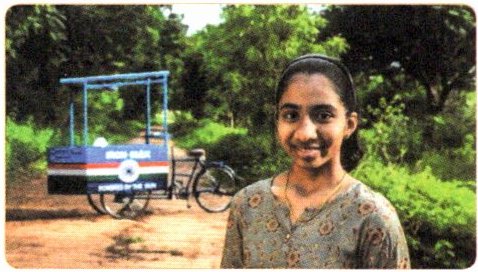
In India, many people get their clothes ironed (熨烫) by one of 10 million street vendors (小贩). These burn about five million kilograms of charcoal (木炭) daily, making air pollution worse. To solve this problem, Vinisha made a solar-powered ironing cart (太阳能熨衣车). It gets energy from the sun. It can work for six hours without causing pollution.
Young people can ask their families to take simple action. The action can help the planet. Now, more and more young people walk or ride bikes instead of driving when they can.
Small steps can bring big changes. Saving the planet may seem hard, but small things matter. Take Harlee Hutchinson, a 6-year-old from the UK, as an example. He is the youngest rubbish-picker in the UK. Rubbish is a big worldwide problem. It pollutes water and is bad for wildlife. In the UK, two million pieces of rubbish are dropped every day.
*After Harlee saw rubbish near fast-food restaurants, he picked it up in his free time. His action is working. ▲ . Hold a litter-pick event, clean a beach or use less plastic at school. You can make a big difference.
文章音频
题型:阅读理解
主题:创新与环保
语篇类型:说明文
词数:234
难度:
建议用时:8分钟
1 What does the underlined word "device" mean in the passage?
A. A small animal.
B. A new problem.
C. A machine or a tool.
D. A kind of pollution.
2 If more people use solar carts, what may happen?
A. Factories will be closed.
B. Traffic smoke will go up.
C. Charcoal pollution will drop.
D. Vendors will make less money.
3 Which of the following can be put in " ▲ " in the last paragraph?
A. You can also try
B. He hates fast food
C. Rubbish is hard to find
D. His friends help him
4 How does the writer support the idea of "small steps"?
A. By checking numbers.
B. By using scientists' words.
C. By describing serious pollution.
D. By giving examples of young people.
5 What is the main idea of the passage?
A. Fighting against pollution.
B. Rubbish-picking in the UK.
C. Simple actions for families.
D. Making a solar-powered cart.
In India, many people get their clothes ironed (熨烫) by one of 10 million street vendors (小贩). These burn about five million kilograms of charcoal (木炭) daily, making air pollution worse. To solve this problem, Vinisha made a solar-powered ironing cart (太阳能熨衣车). It gets energy from the sun. It can work for six hours without causing pollution.
Young people can ask their families to take simple action. The action can help the planet. Now, more and more young people walk or ride bikes instead of driving when they can.
Small steps can bring big changes. Saving the planet may seem hard, but small things matter. Take Harlee Hutchinson, a 6-year-old from the UK, as an example. He is the youngest rubbish-picker in the UK. Rubbish is a big worldwide problem. It pollutes water and is bad for wildlife. In the UK, two million pieces of rubbish are dropped every day.
*After Harlee saw rubbish near fast-food restaurants, he picked it up in his free time. His action is working. ▲ . Hold a litter-pick event, clean a beach or use less plastic at school. You can make a big difference.
文章音频
题型:阅读理解
主题:创新与环保
语篇类型:说明文
词数:234
难度:
建议用时:8分钟
1 What does the underlined word "device" mean in the passage?
A. A small animal.
B. A new problem.
C. A machine or a tool.
D. A kind of pollution.
2 If more people use solar carts, what may happen?
A. Factories will be closed.
B. Traffic smoke will go up.
C. Charcoal pollution will drop.
D. Vendors will make less money.
3 Which of the following can be put in " ▲ " in the last paragraph?
A. You can also try
B. He hates fast food
C. Rubbish is hard to find
D. His friends help him
4 How does the writer support the idea of "small steps"?
A. By checking numbers.
B. By using scientists' words.
C. By describing serious pollution.
D. By giving examples of young people.
5 What is the main idea of the passage?
A. Fighting against pollution.
B. Rubbish-picking in the UK.
C. Simple actions for families.
D. Making a solar-powered cart.
答案:
1.C 词义猜测题。由第二段可知,为解决空气污染问题,维妮莎设计了一款太阳能熨衣车。由此可推知,第一段的画线单词device指的是“机器或工具”。
2.C 推理判断题。由第二段的These burn about five million kilograms of charcoal daily, making air pollution worse. To solve this problem, Vinisha made a solar-powered ironing cart...It can work for six hours without causing pollution. 可推知,如果更多人使用太阳能熨衣车,木炭污染将会减少。
3.A 推理判断题。上文提及“他的行动正在发挥作用”,下文指出“组织垃圾清理活动、清洁海滩或在校内减少塑料使用”。再结合选项可推知,A项“你也可以尝试参与活动”承上启下,符合语境。
4.D 推理判断题。通读全文可知,作者以维妮莎发明防污染太阳能熨衣车、哈雷做垃圾清理志愿者两个年轻人的行动为例,支持微小的努力能引发巨大改变这一观点。
5.A 主旨大意题。通读全文可知,文章以维妮莎发明防污染太阳能熨衣车、哈雷做垃圾清理志愿者等为例,紧紧围绕“对抗污染”这一主旨展开论述。
2.C 推理判断题。由第二段的These burn about five million kilograms of charcoal daily, making air pollution worse. To solve this problem, Vinisha made a solar-powered ironing cart...It can work for six hours without causing pollution. 可推知,如果更多人使用太阳能熨衣车,木炭污染将会减少。
3.A 推理判断题。上文提及“他的行动正在发挥作用”,下文指出“组织垃圾清理活动、清洁海滩或在校内减少塑料使用”。再结合选项可推知,A项“你也可以尝试参与活动”承上启下,符合语境。
4.D 推理判断题。通读全文可知,作者以维妮莎发明防污染太阳能熨衣车、哈雷做垃圾清理志愿者两个年轻人的行动为例,支持微小的努力能引发巨大改变这一观点。
5.A 主旨大意题。通读全文可知,文章以维妮莎发明防污染太阳能熨衣车、哈雷做垃圾清理志愿者等为例,紧紧围绕“对抗污染”这一主旨展开论述。
查看更多完整答案,请扫码查看

